Browse our selection of New Zealand design and architecture images.
Whether residential, commercial or civic, sprawling or compact, brand new or reimagined, this collection of images from around our site celebrates a New Zealand architecture of innovation, functionality, imagination, confidence and beauty.
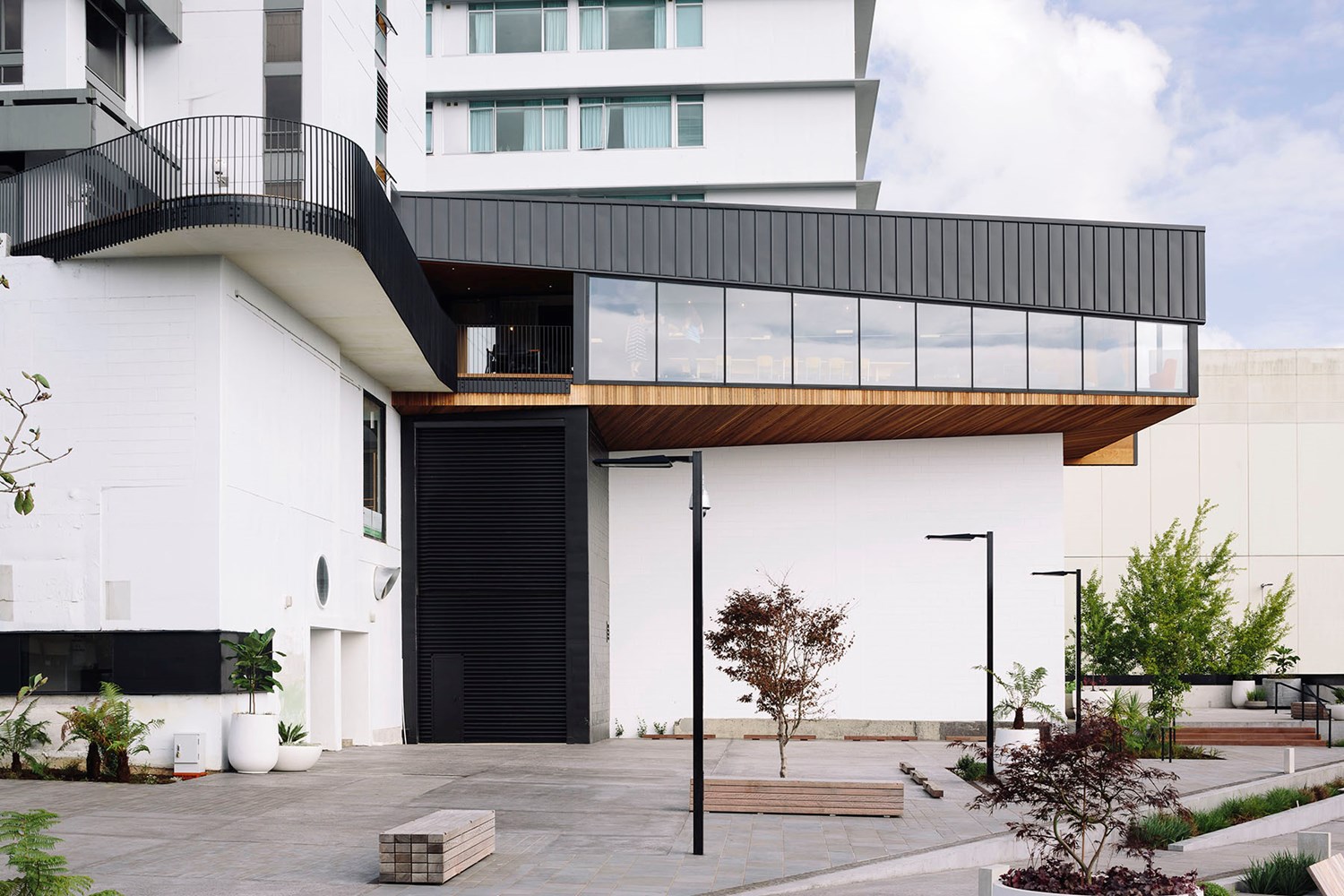
Mezz Box
Mezz Box by Edwards White Architects, winner of the 2018 Sir Miles Warren Award for Commercial Architecture. Photo: Simon Wilson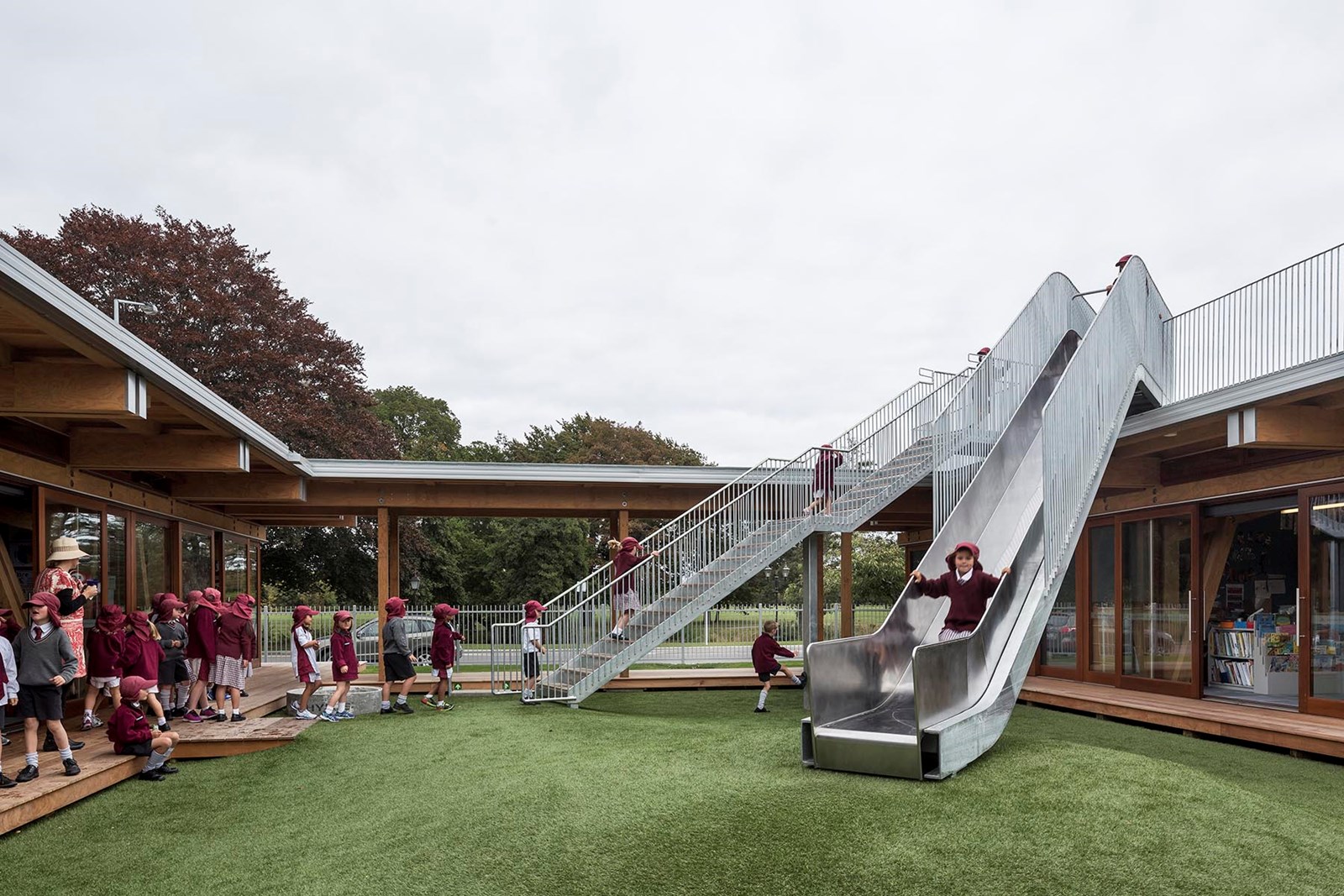
Cathedral Grammar Junior School
The Ted McCoy Award for Education winner in 2018, designed by Andrew Barrie Lab and Tezuka Architects.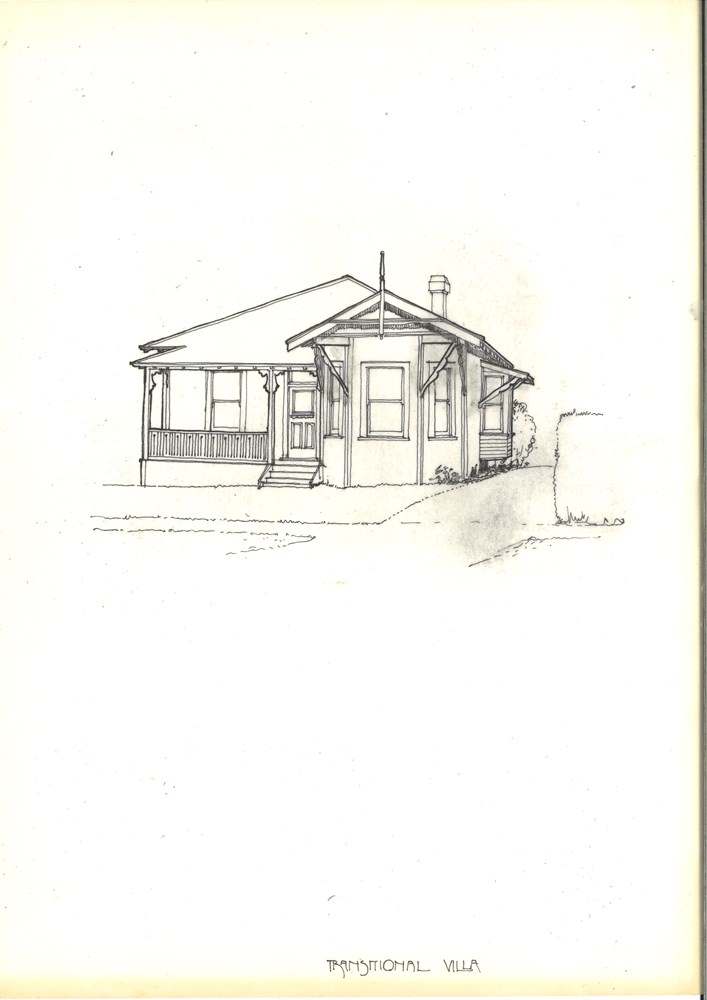
Transitional villa
A sketch by 2018 Gold Medal recipient Jeremy Salmond.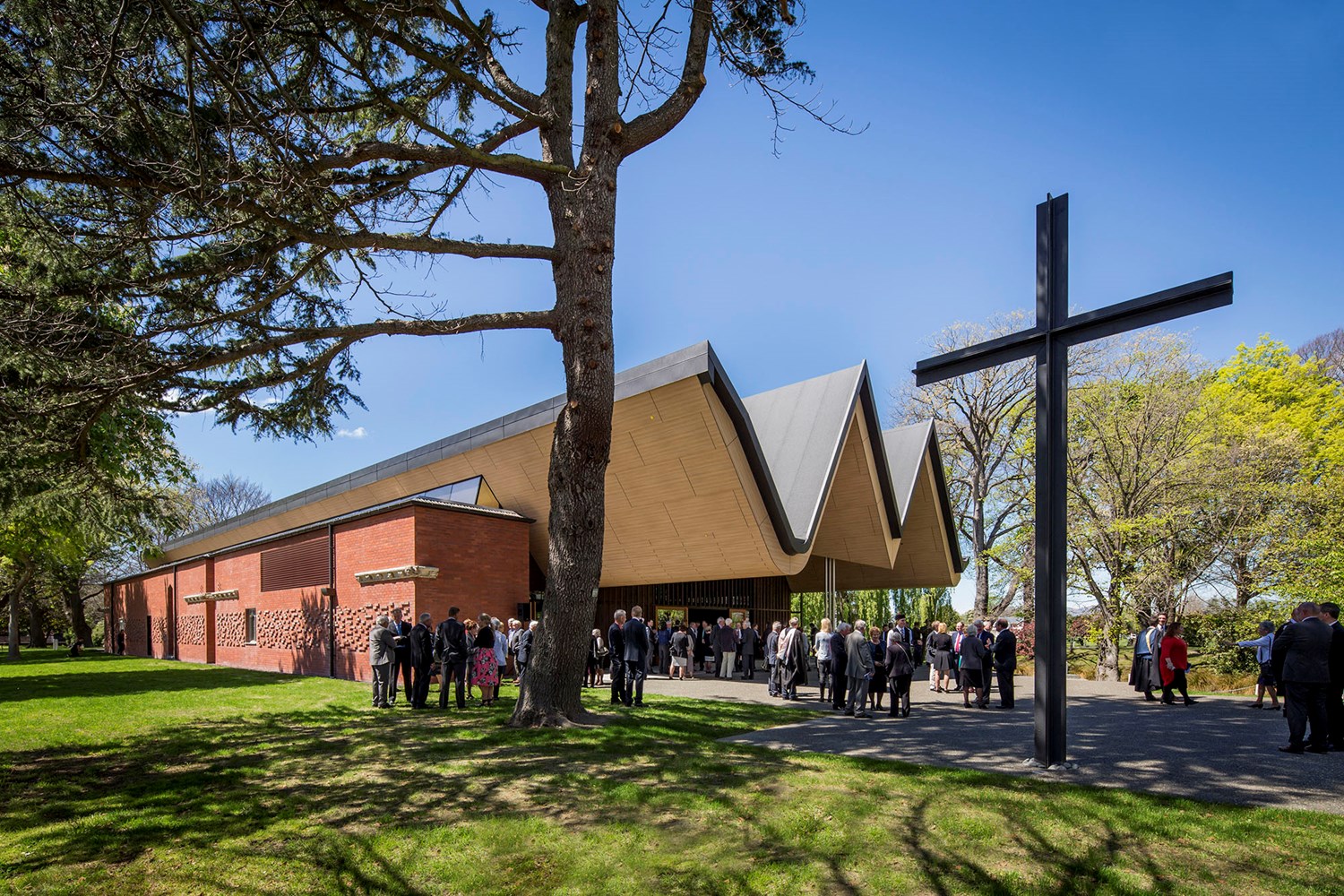
St Andrew's College Chapel
2018 winner of the John Scott Award for Public Architecture. Designed by Architectus.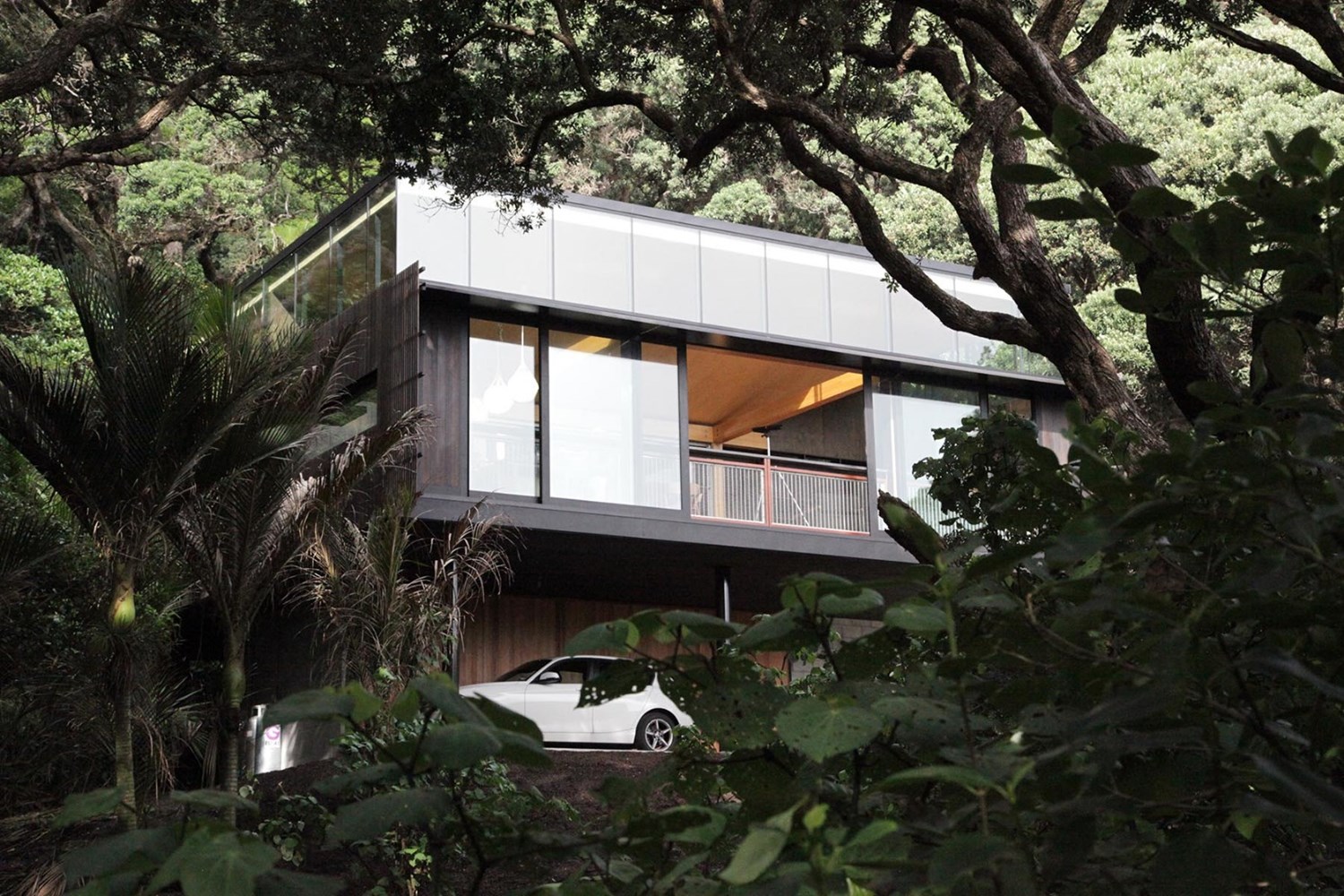
Kawakawa House
Designed by Herbst Architects, this west coast, Auckland, house was winner of the 2018 Sir Ian Athfield Award for Housing.
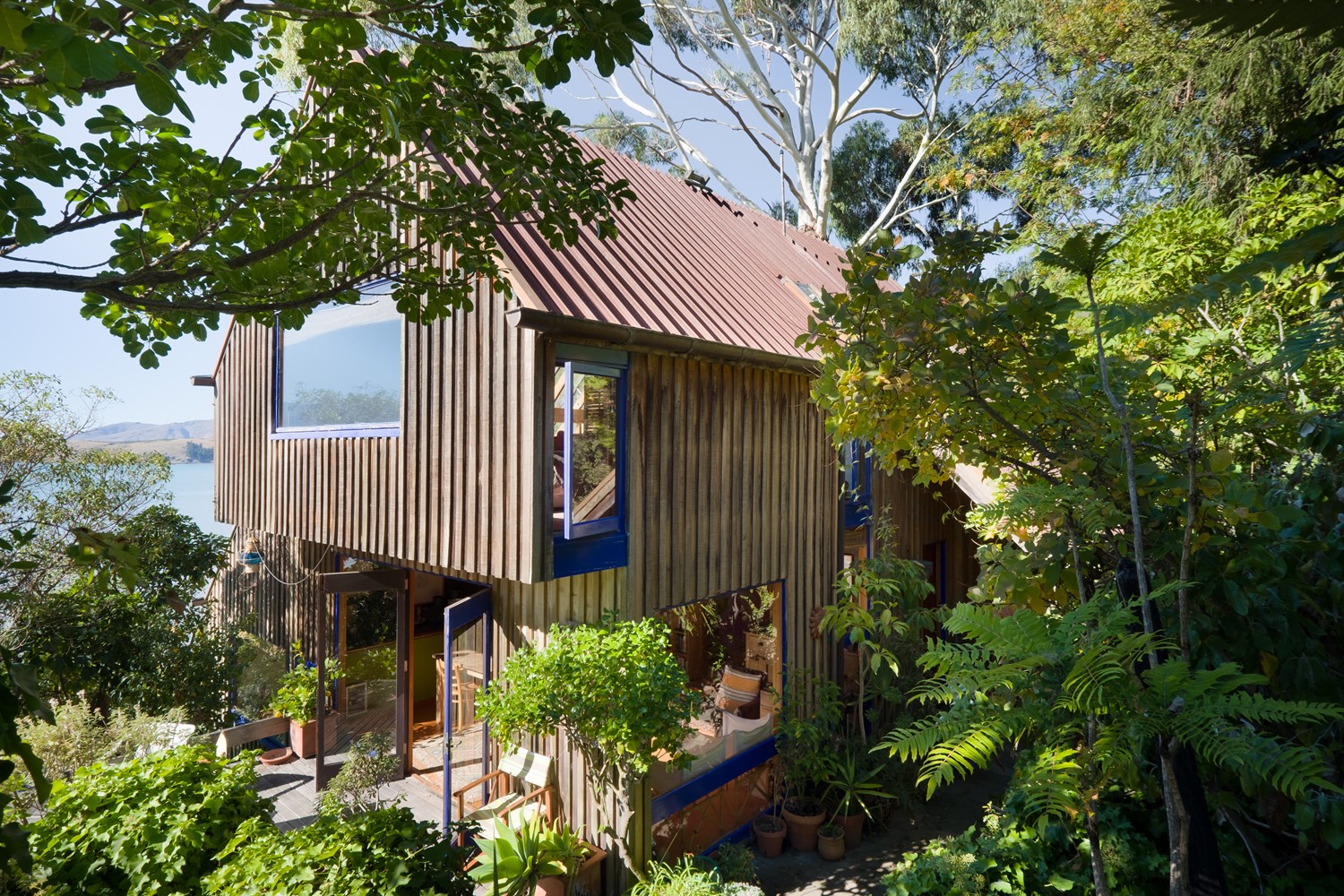
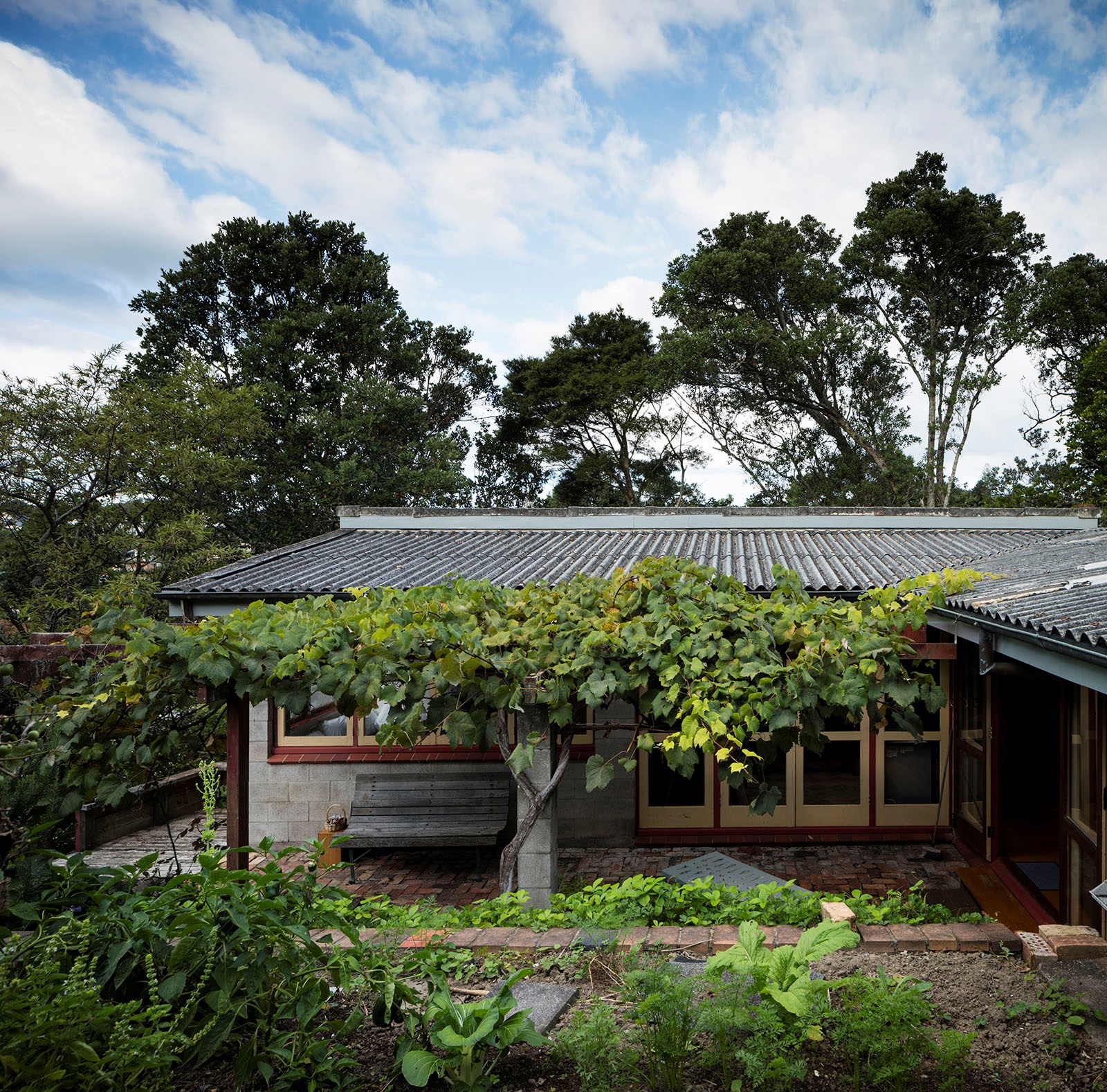
The Rout House
The Rout House, by architect Jonty Rout (1979), is a “modestly sized yet skilfully crafted house”, the 2016 Canterbury Architecture Awards jury said. It was consciously designed by the architect as a daily retreat from the city, and “speaks of the high value Rout placed on spaces for living and on architecture’s capacity to provide us with ease, comfort and delight”, the jury said. Photo: Dennis Radermacher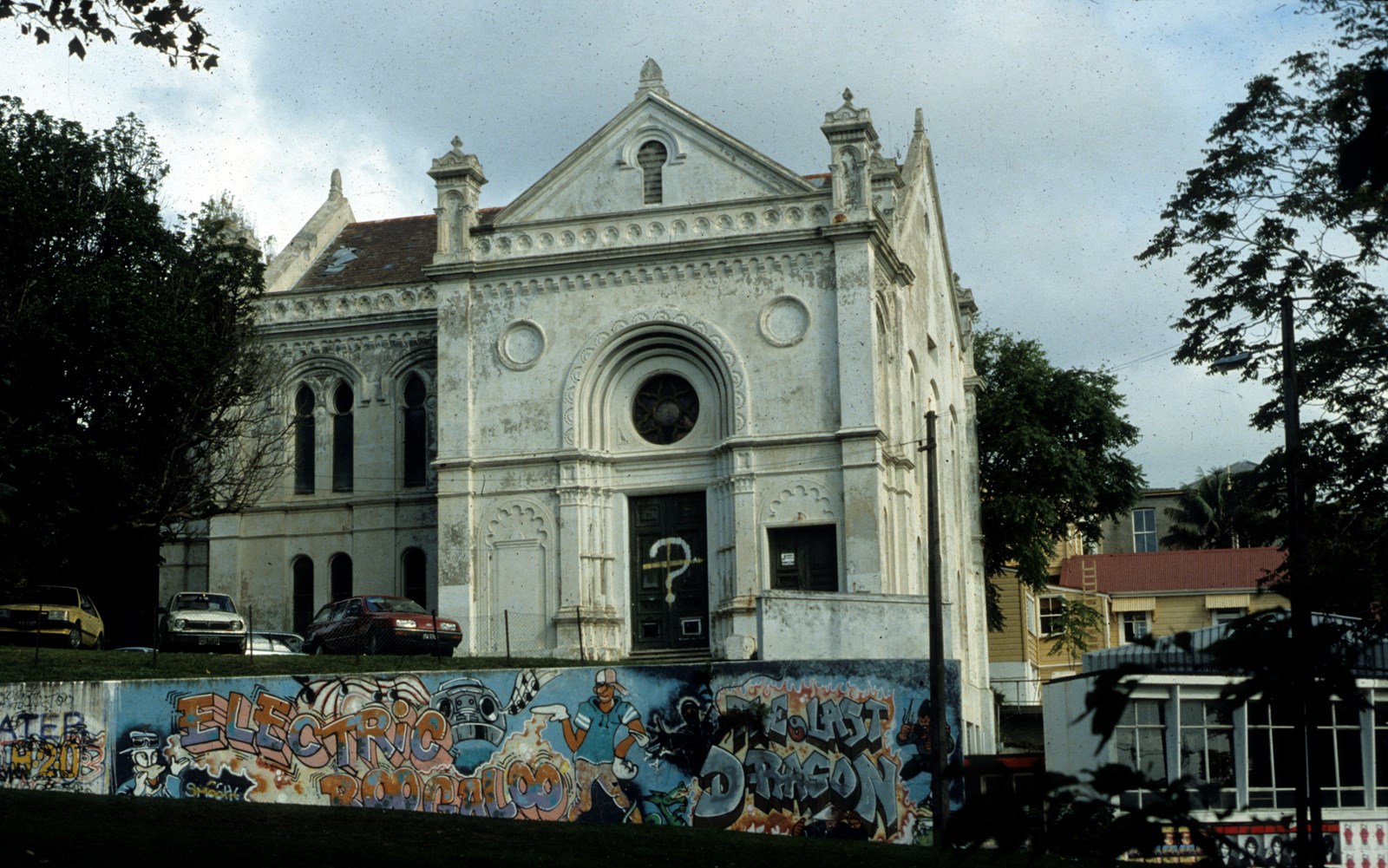
Former Jewish Synagogue
Princes Street, Auckland, an early project by NZIA Gold Medallist Jeremy Salmond, shown here before restoration.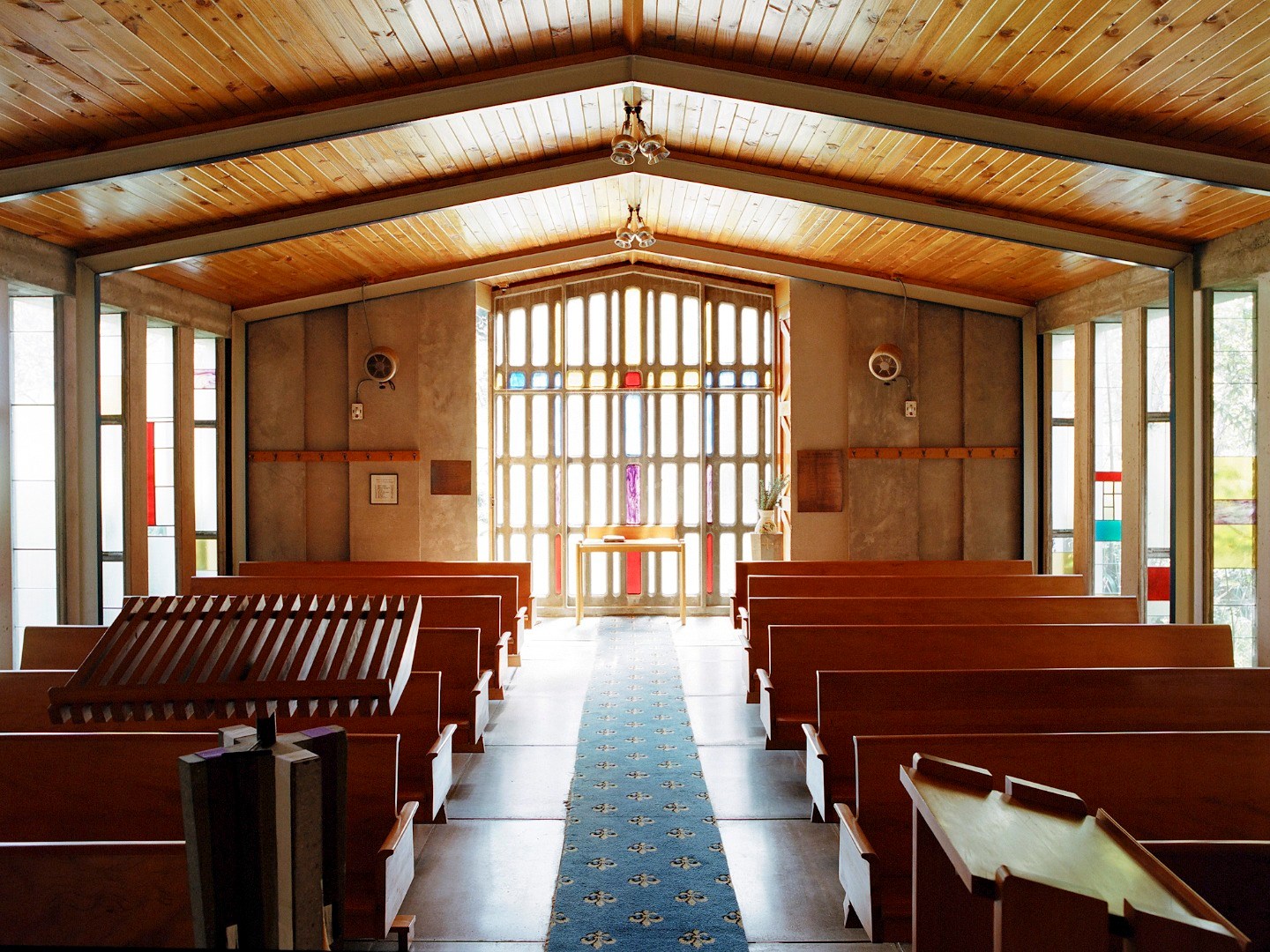
St Andrew's Chapel
St Andrew's Church (1960), designed by Allan Mitchener Architect, “a hidden gem”, said the the 2016 Canterbury Architecture Awards jury when conferring an Enduring Architecture Award on the building. “Quietly set back from the main road in the tiny Banks Peninsula village of Le Bons Bay, this unassuming form belies the craftsmanship to be found within.” Photo: Mary Gaudin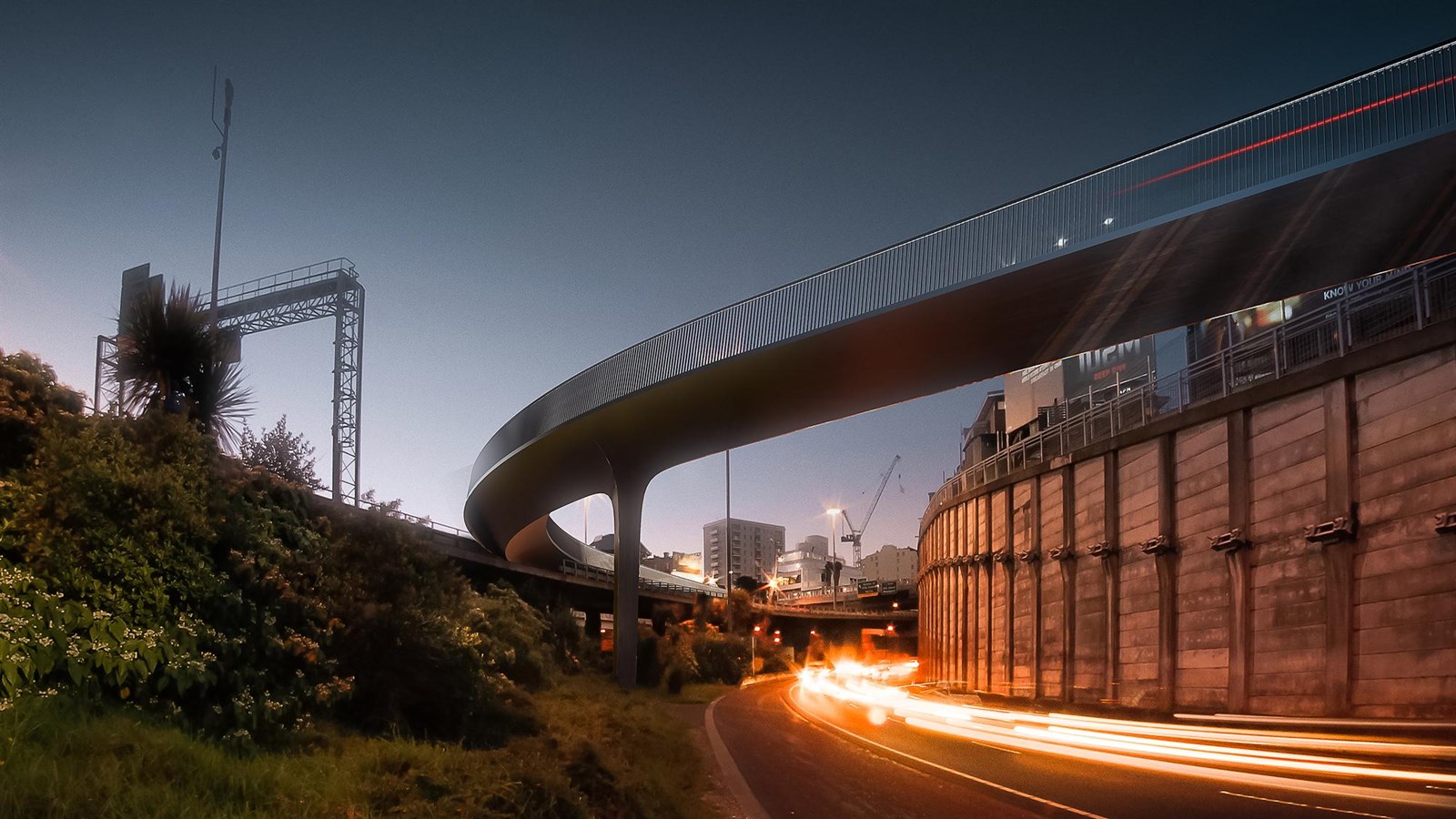
Canada Street Bridge
Canada Street Bridge, designed by Monk Mackenzie, a 2016 Auckland Architecture Award winner.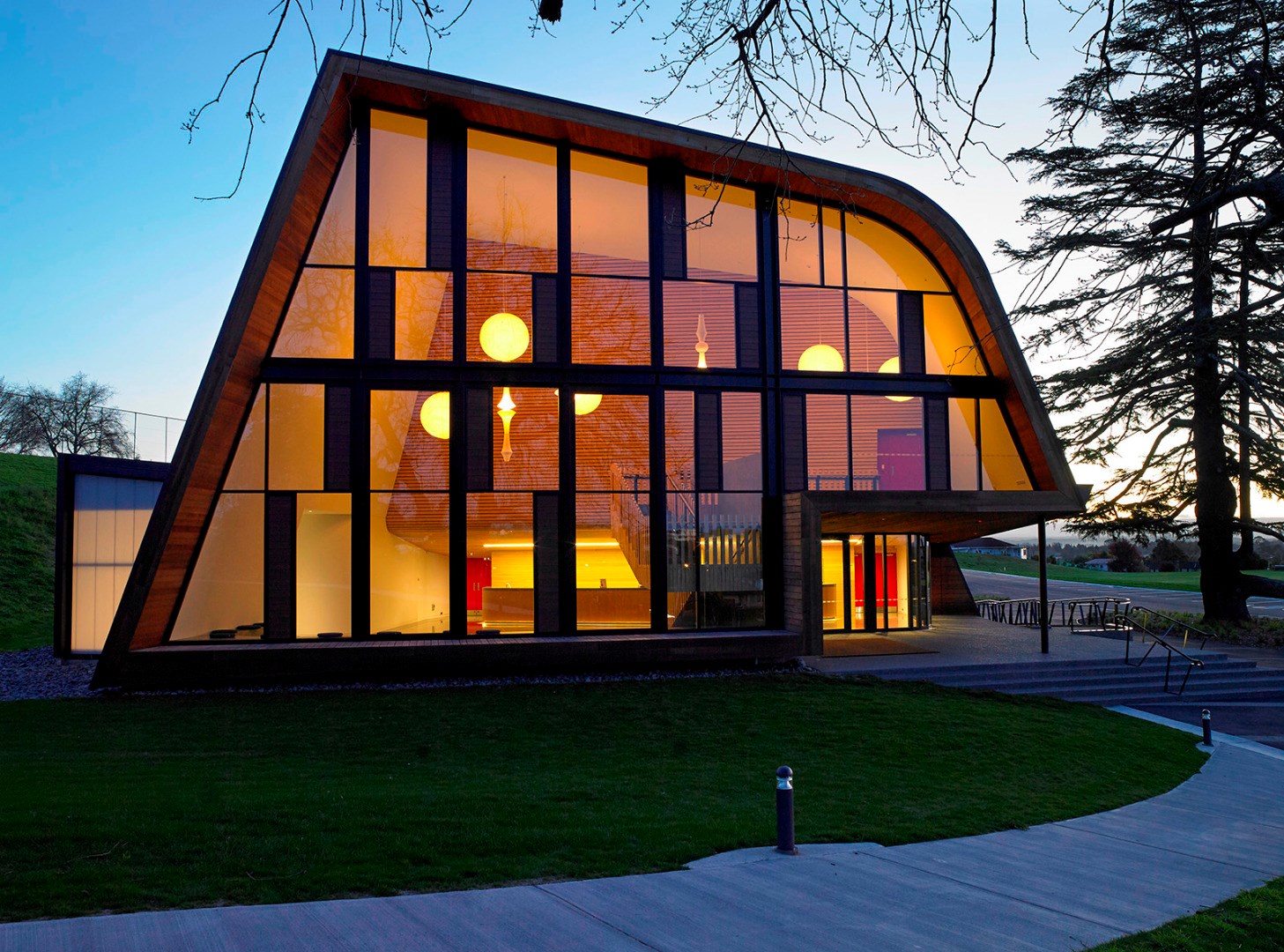
The Blyth Performing Arts Centre, Havelock North
Stevens Lawson Architects, 2015 New Zealand Architecture Medal. Photo by Mark Smith.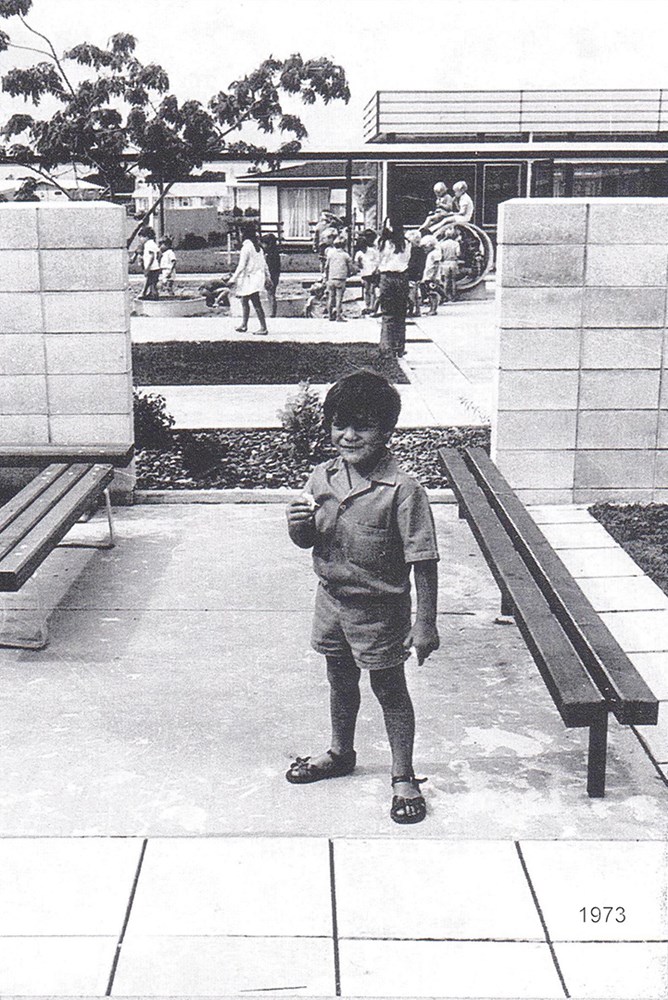
Deanwell School, Hamilton
South Auckland Education Board Architectural Division, 1968. Enduring Architecture winner, 2015. Photo by J.W Kellaway.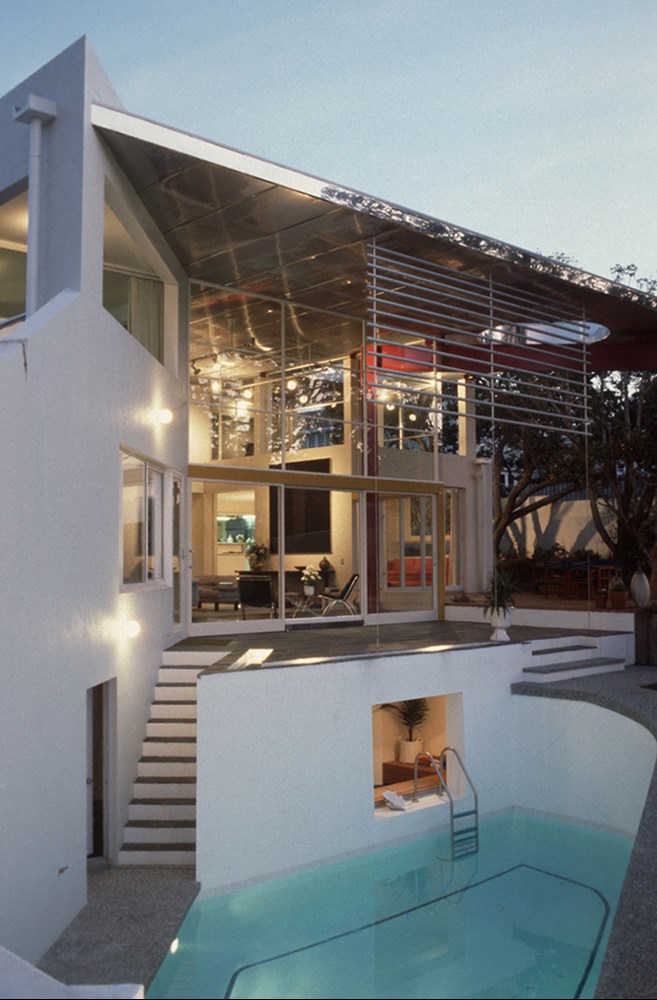
Gibbs House, Auckland
Designed by Manning Mitchell Architects. 1986 NZIA National Award Winner; 2015 Enduring Architecture winner.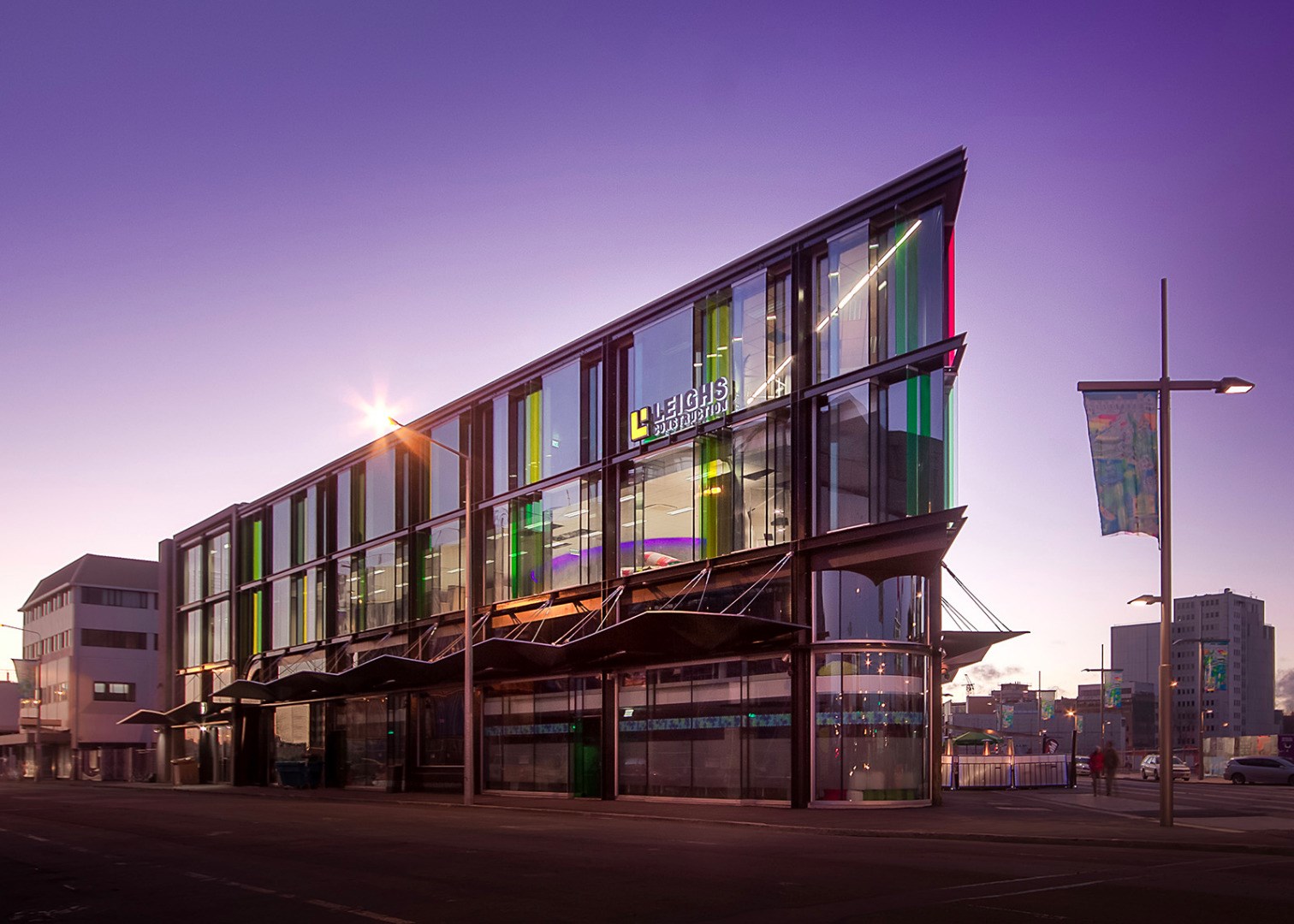
Stranges Building, Christchurch
A Sheppard & Rout Architects designed highlight of post-quake Christchurch and the first recipient of the Sir Miles Warren Award (for Commercial Architecture) in 2015. Photo by Peter Cui.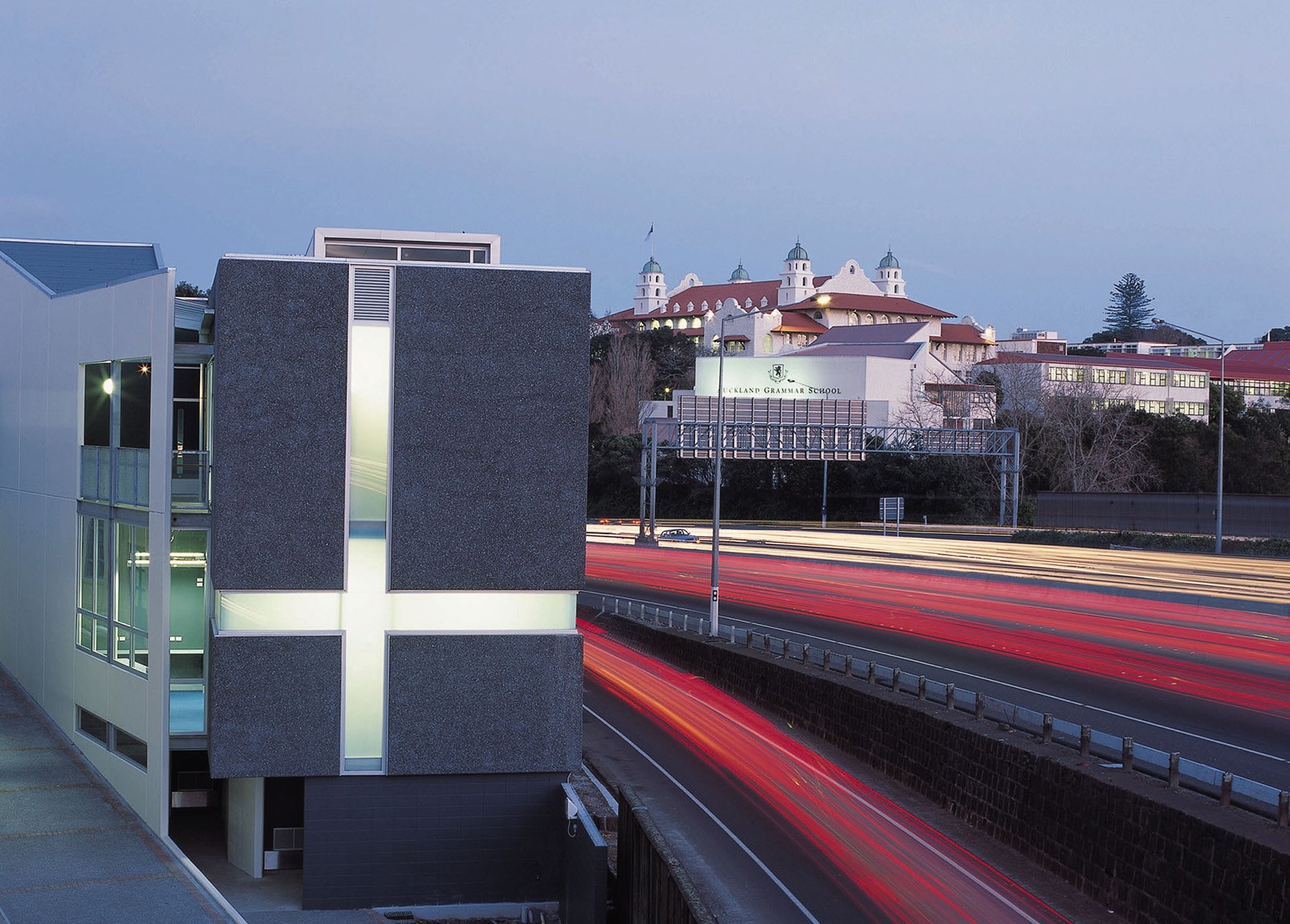
St Peter’s College Technology Building, Auckland
With its incised cross, the St Peter’s College Technology Building, designed by and Architectus, is a declarative building. Supreme Award winner, 2002. Photo by Simon Devitt.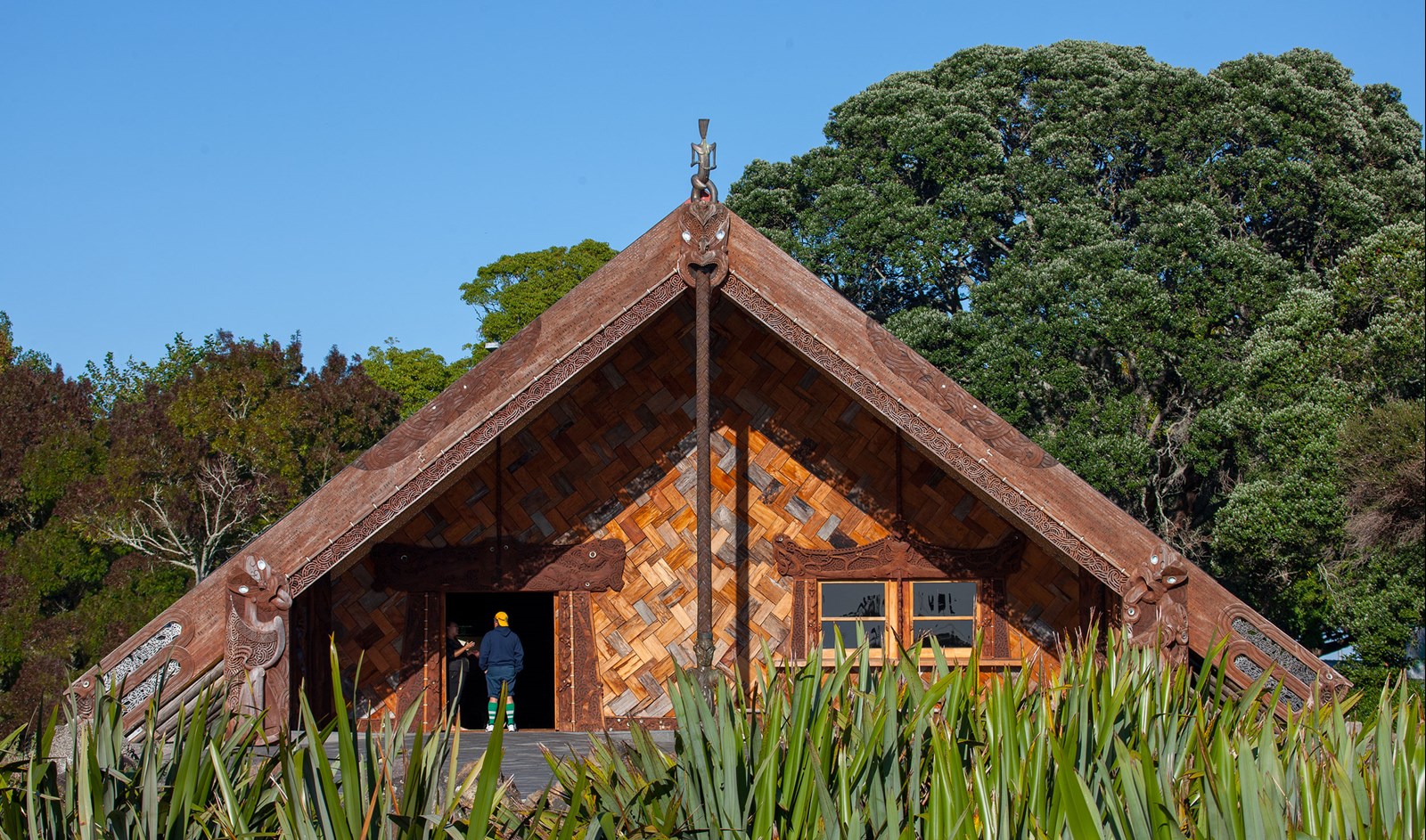
Ngākau Māhaki, a carved meeting house
‘Ngākau Māhaki’, a magnificent whare whakairo (carved meeting house) designed and built by Te Arawa master carver Lyonel Grant. Grant with designTRIBE’s Rau Hoskins and Miles Heine would also design the wider Unitec Marae, Te Noho Kotahitanga.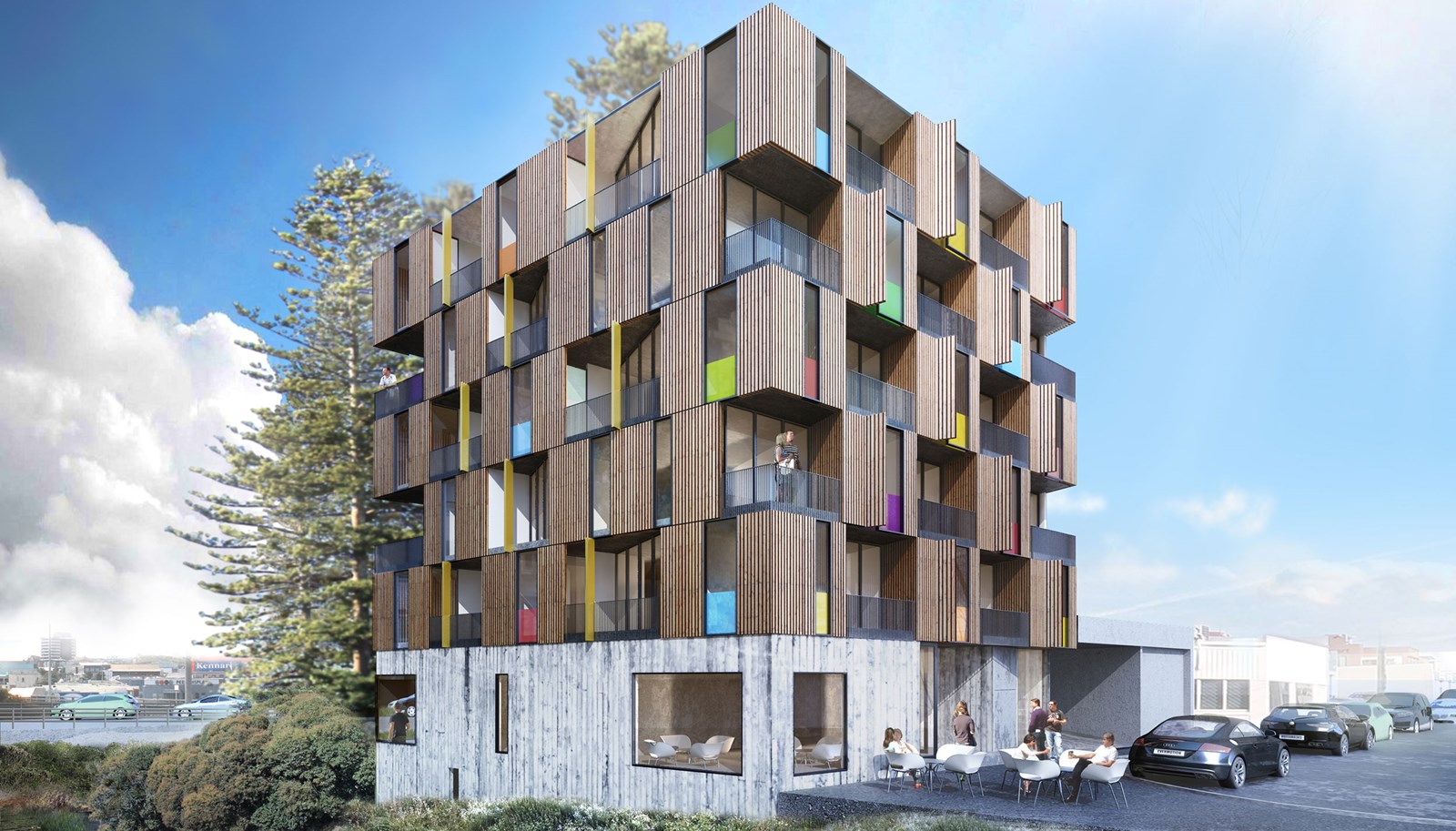
Akepiro design competition winner
Designed by S3 Architects, this concept won 2014’s Akepiro Street Design competition, which was organised by the NZIA for Auckland Council and Ockham.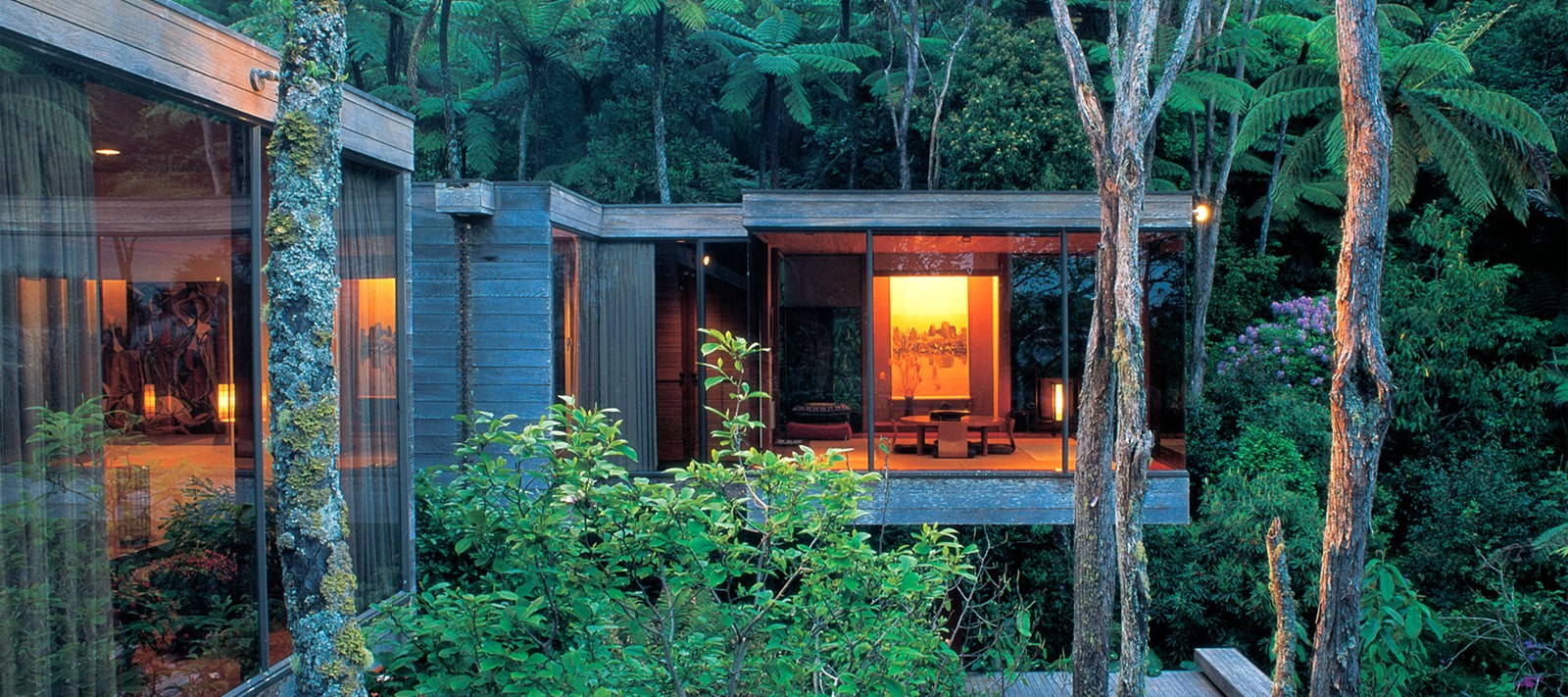
Brake House, Auckland
Designed by architect Ron Sang in 1977 for photographer Brian Brake Architects, the house was designed for living in intimacy with nature. An Enduring Architecture award-winner in 2001.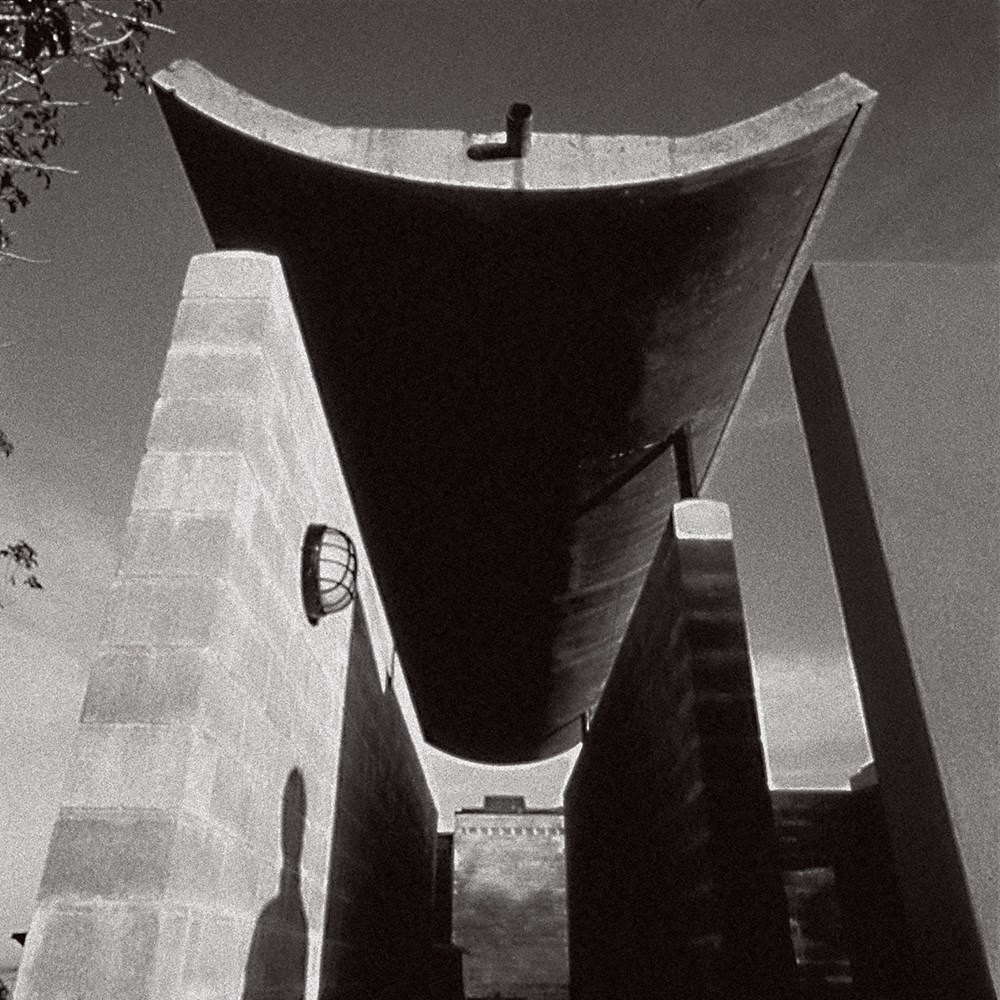
Congreve House, Remuera
Designed by Pip Cheshire while at Bossley Cheshire Architects and documented at Jasmax. National Award winner, 1993.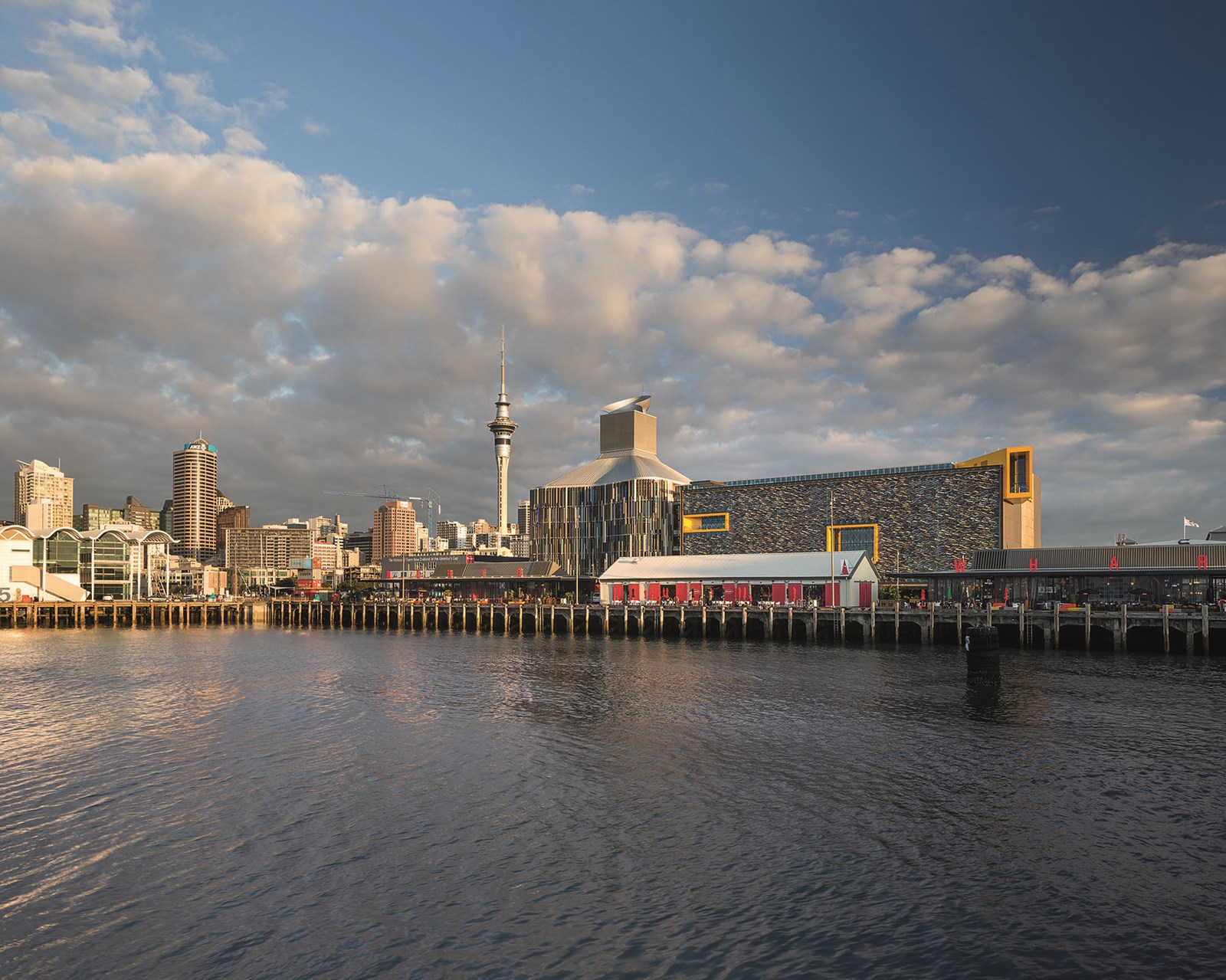
ASB North Wharf, Auckland
The New Zealand Architecture Medal winner in 2014, designed by BVN Donovan Hill with Jasmax. Photo by John Gollings.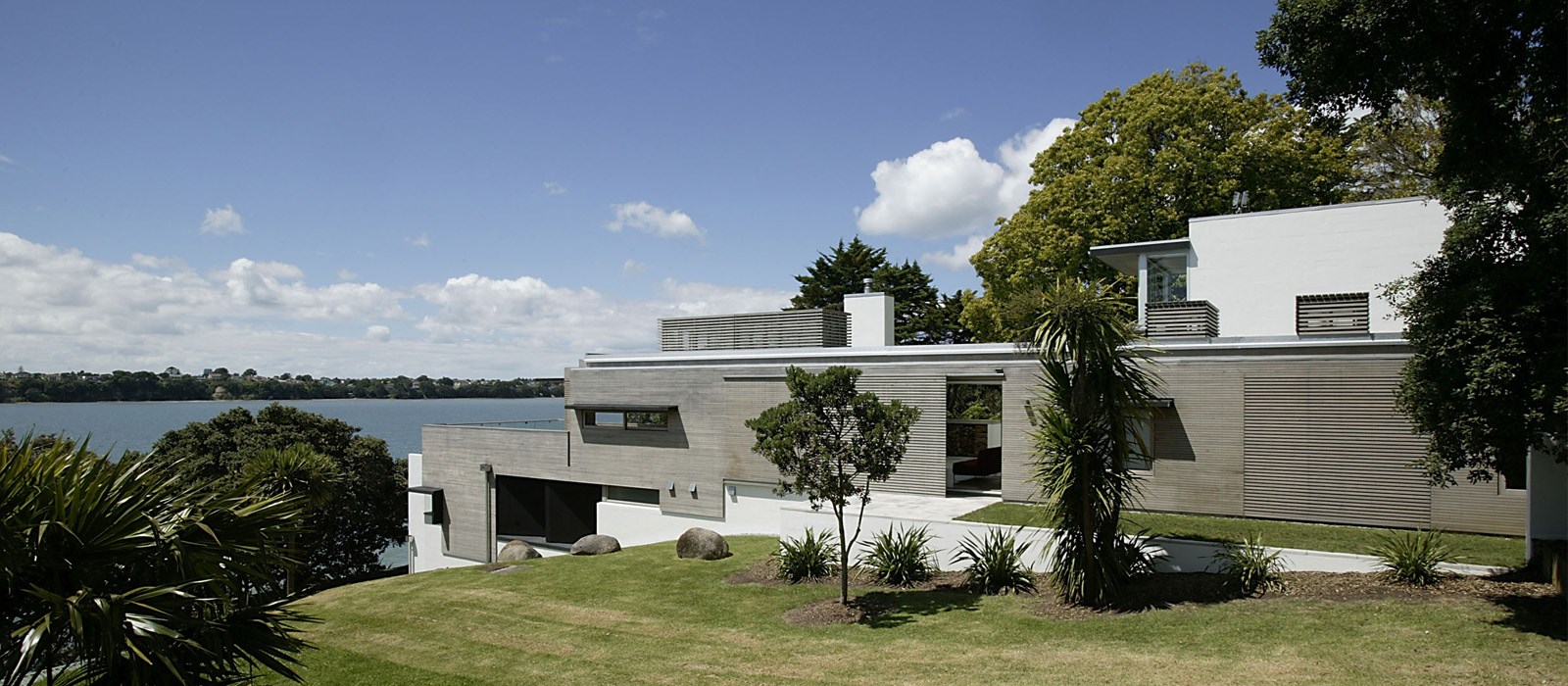
Stanley Point House, Auckland
An Architectus-designed Supreme Award winner in 2004. Photo by Patrick Reynolds.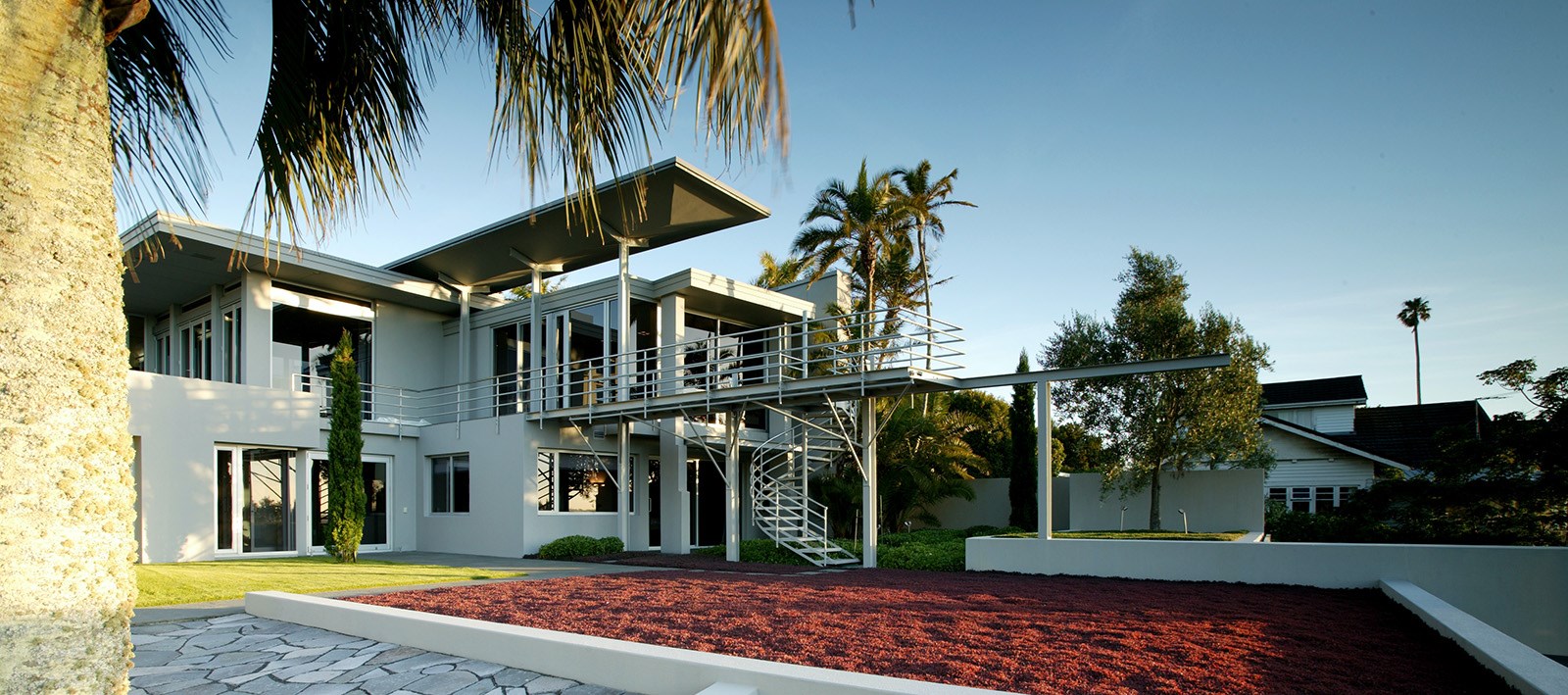
Manson House, Auckland
The Heatley House, later reworked for property developer Ted Manson, designed by Bossley Architects. A Branch Award winner in 1986 and again in 1990.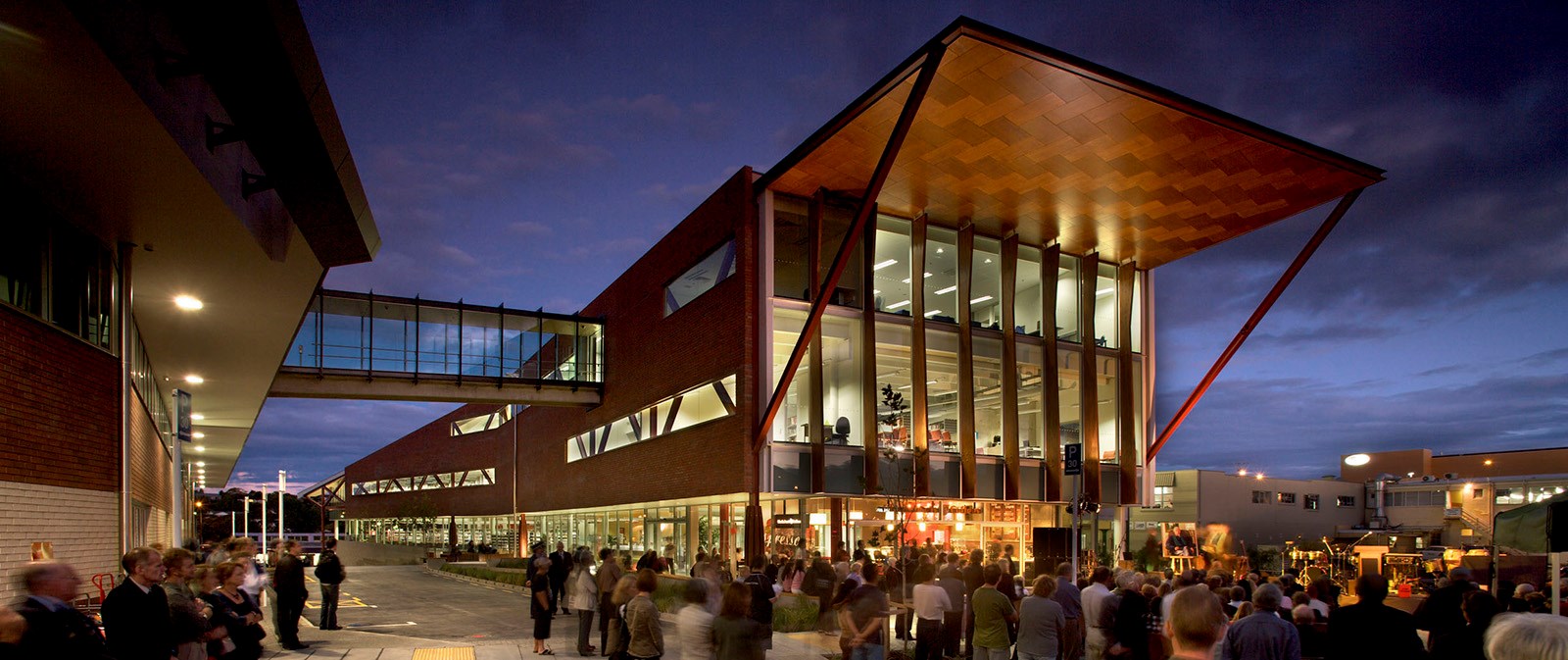
Unitec exterior, Auckland
Designed by Architectus and Athfield Architects, the project integrated the Waitakere City Central Library with teaching facilities for the Unitec Institute of Technology. Photo by Simon Devitt.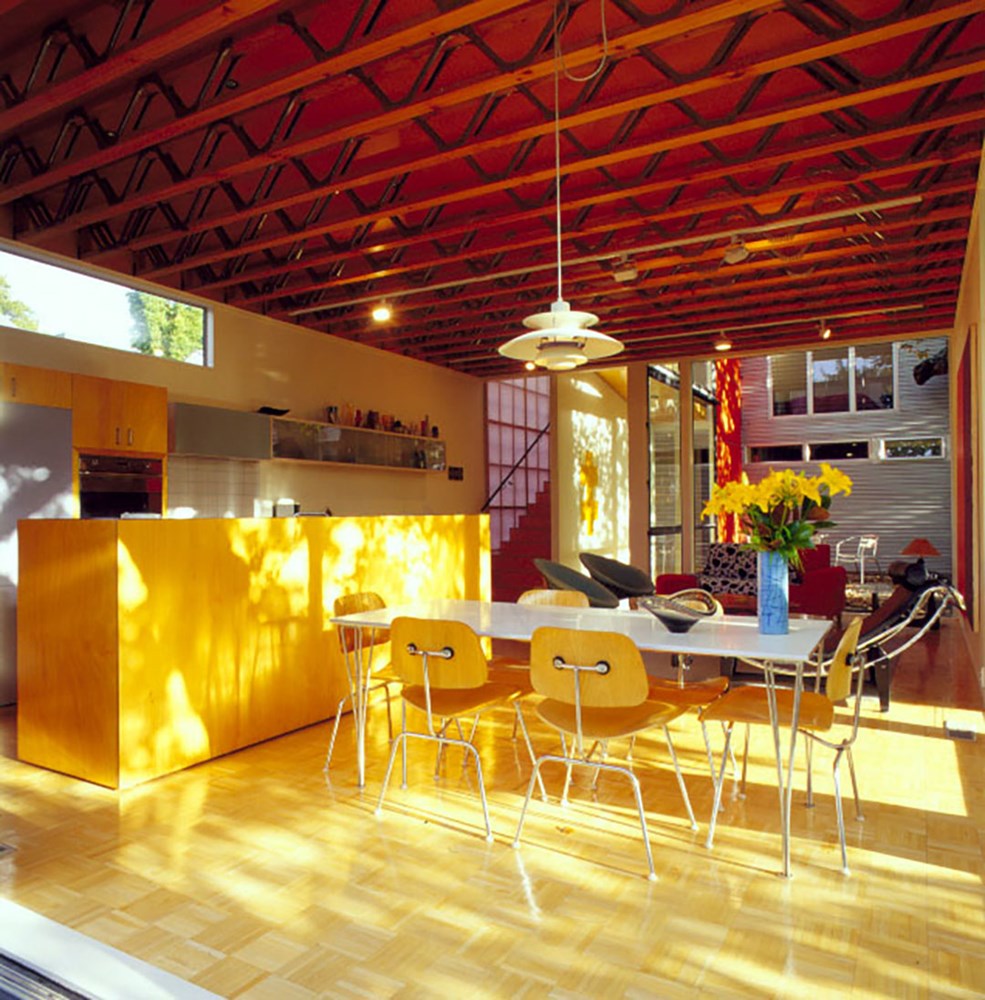
Bambury House, Auckland
Designed by Pip Cheshire while a director at Jasmax. The house, a Regional Award winner in 2001, incorporates two pavilions: one private for sleeping and bathing, the other a living-room pavilion with roof terrace above.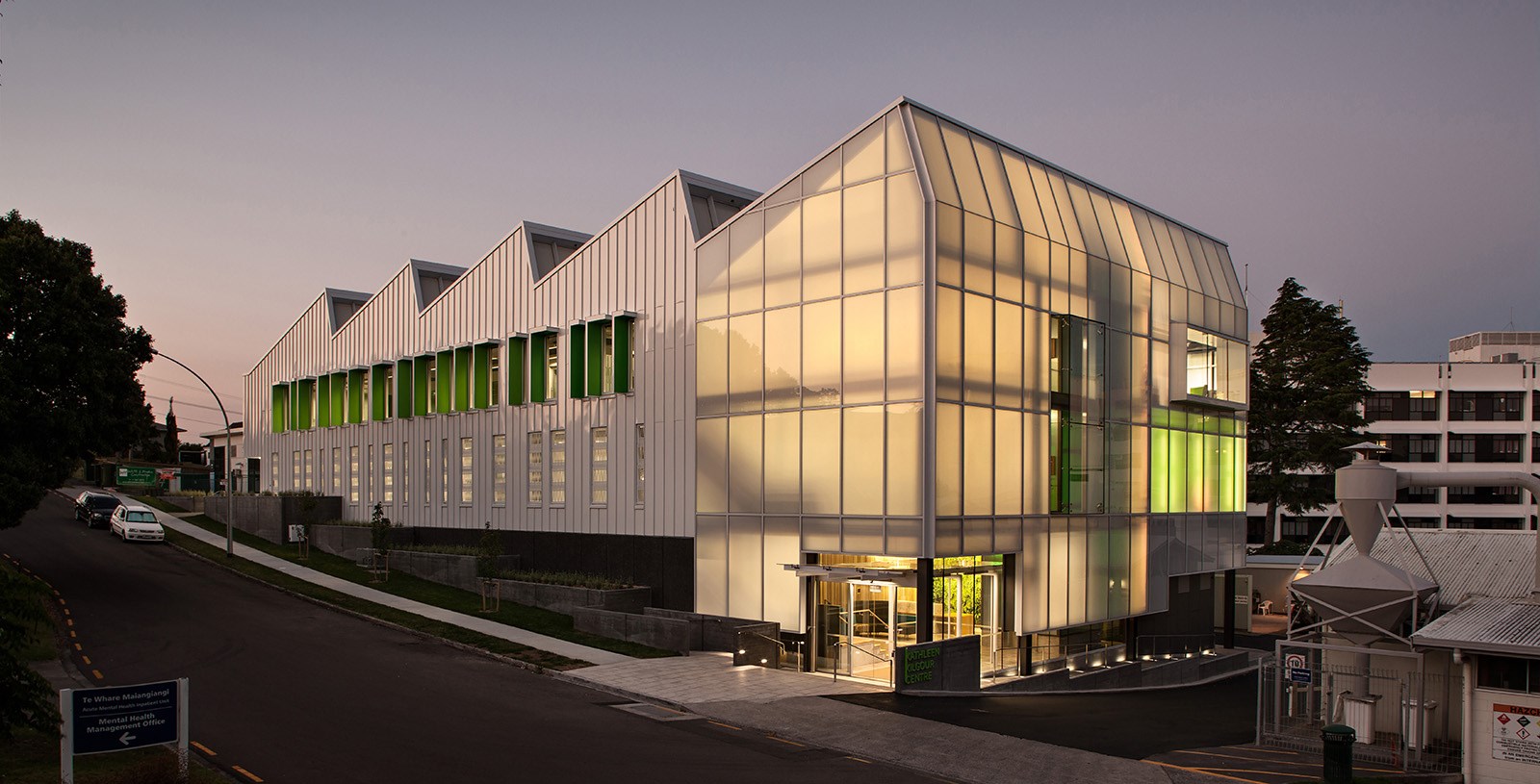
Kathleen Kilgour Centre, Tauranga
A distinctive saw-tooth roof form and translucent lantern end distinguish this Wingate + Farquhar building. A 2015 New Zealand Architecture Award for Public Architecture. Photo by Simon Devitt.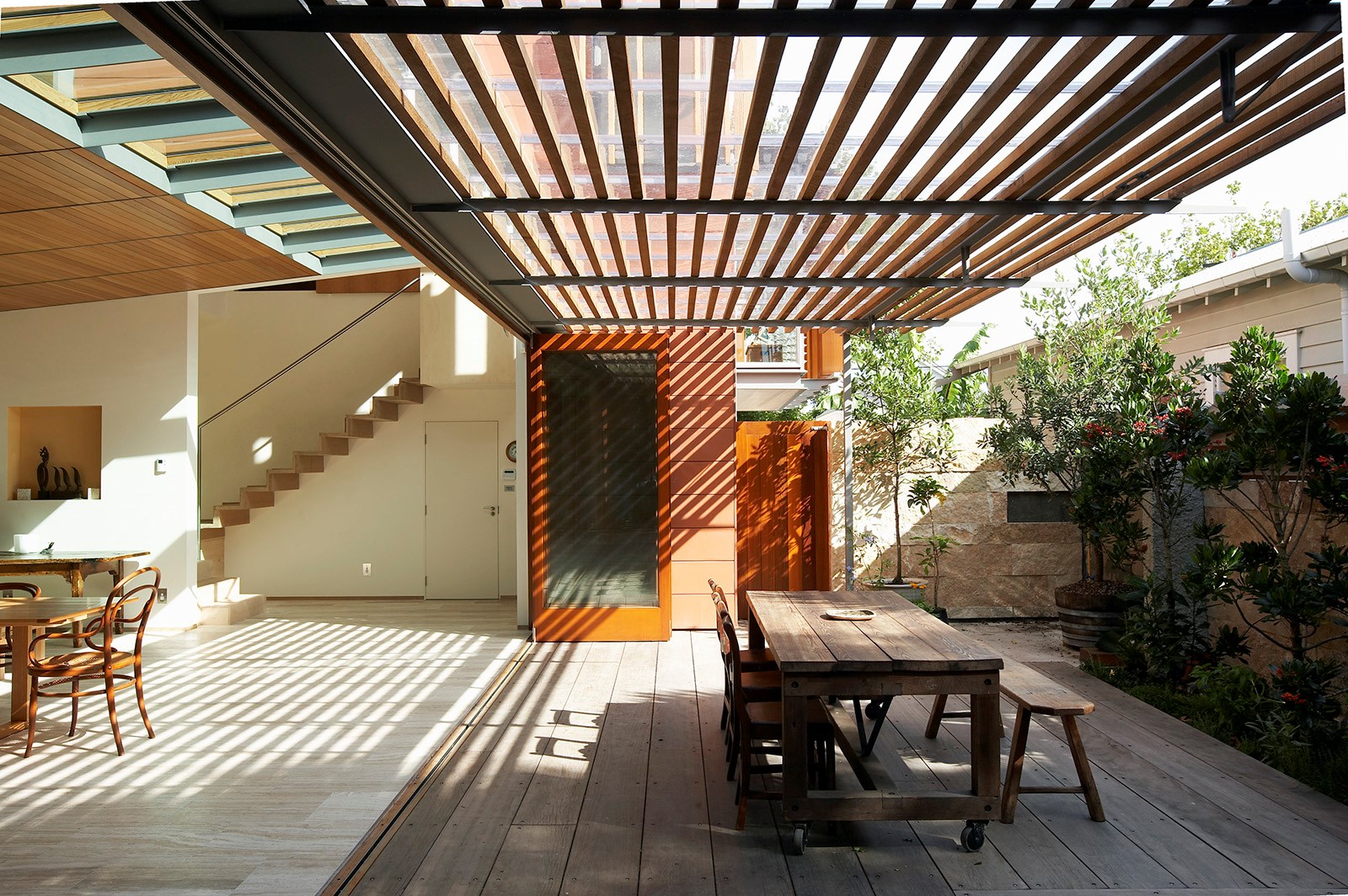
Cook House, Auckland
Designed by Auckland architect Marshall Cook for his own family. “This is a house shaped by a sociable impulse; in contrast to many forlorn exemplars of contemporary domestic architecture it expresses the joy to be found in a life lived among family and friends,” said architecture writer John Walsh. Photo by Simon Devitt.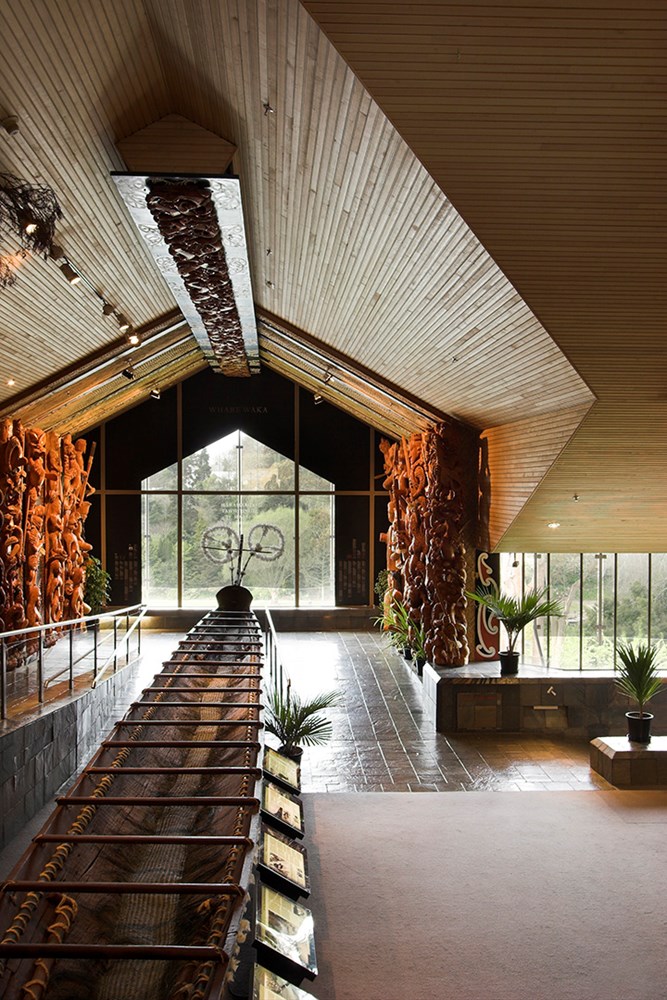
Waikato Museum: Te Whare Taonga o Waikato
Designed in 1997 by Ivan Mercep of the Auckland architectural firm JASMad (now Jasmax). Mercep would receive the NZIA Gold Medal in 2008.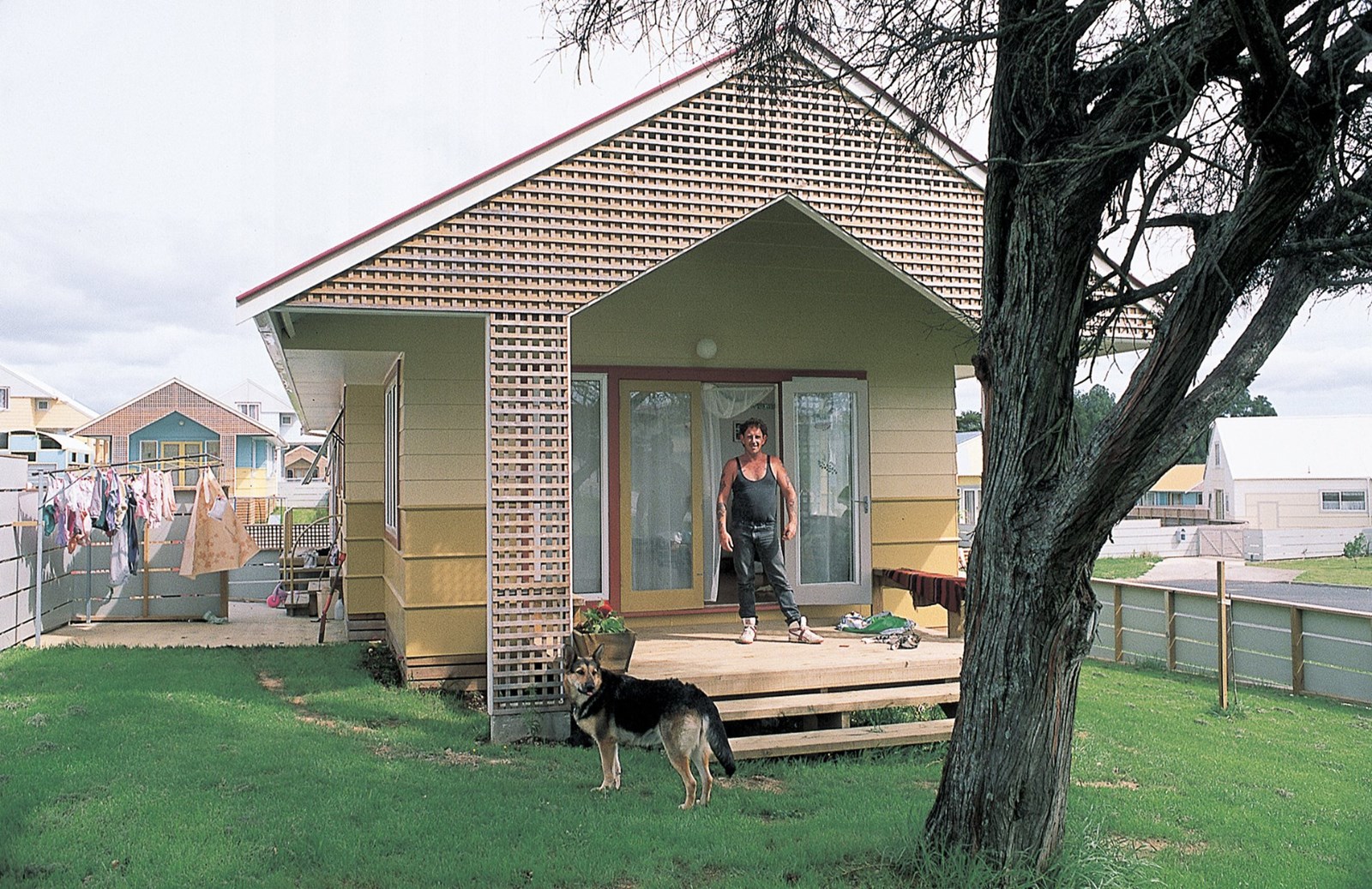
Thirty-five State Houses project
An estate of 35 houses that took post-modernism to the suburban city fringe. Designed by Jack Manning and David Mitchell with Julie Stout, Bill McKay, Miriam White and Diana Stiles, 1987.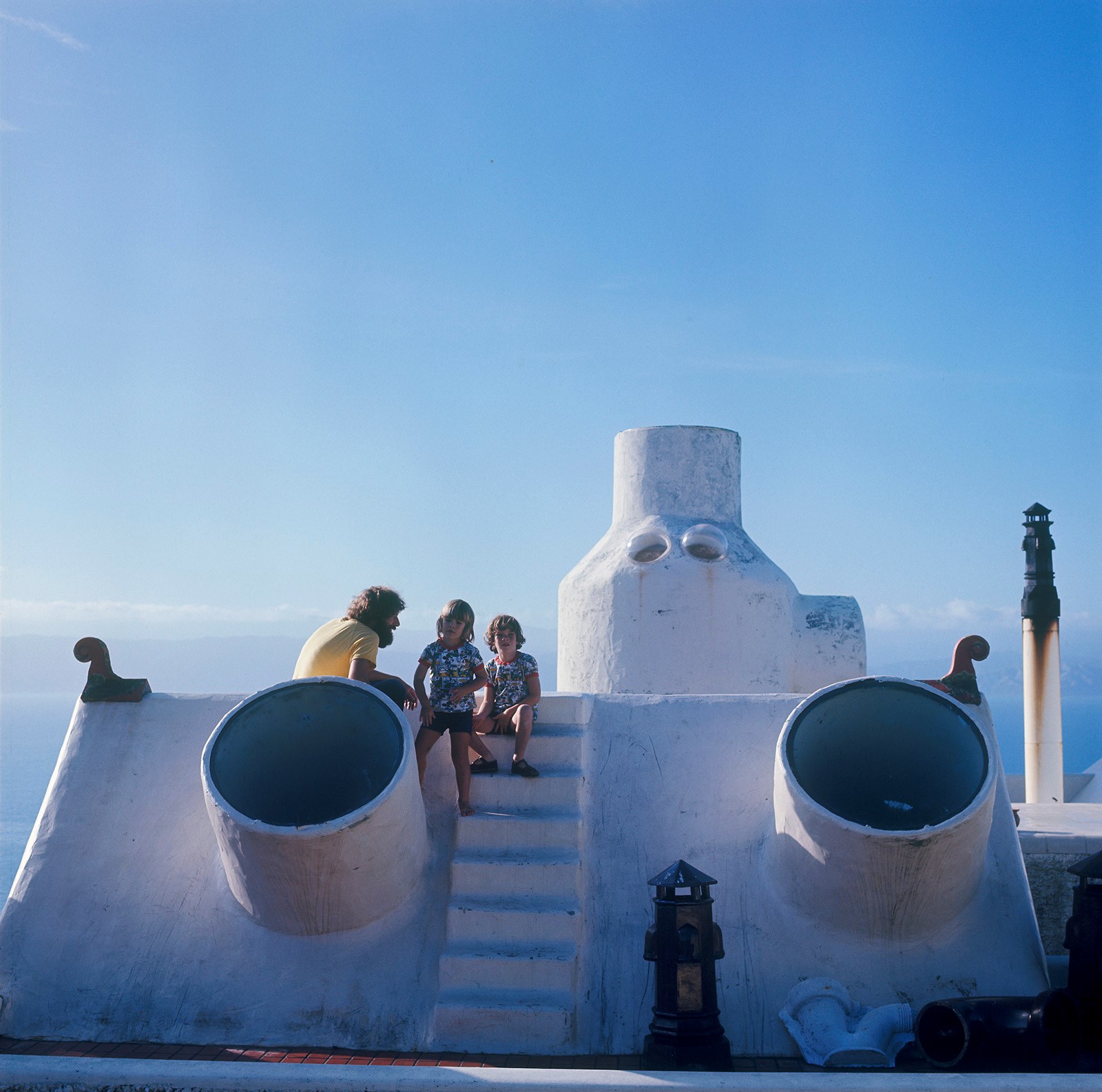
Athfield Home and Studio, Wellington
A home and studio for one of New Zealand most celebrated architects. Begun in 1965 the building spread organically down a Khandallah hillside like a medieval village or a large encampment.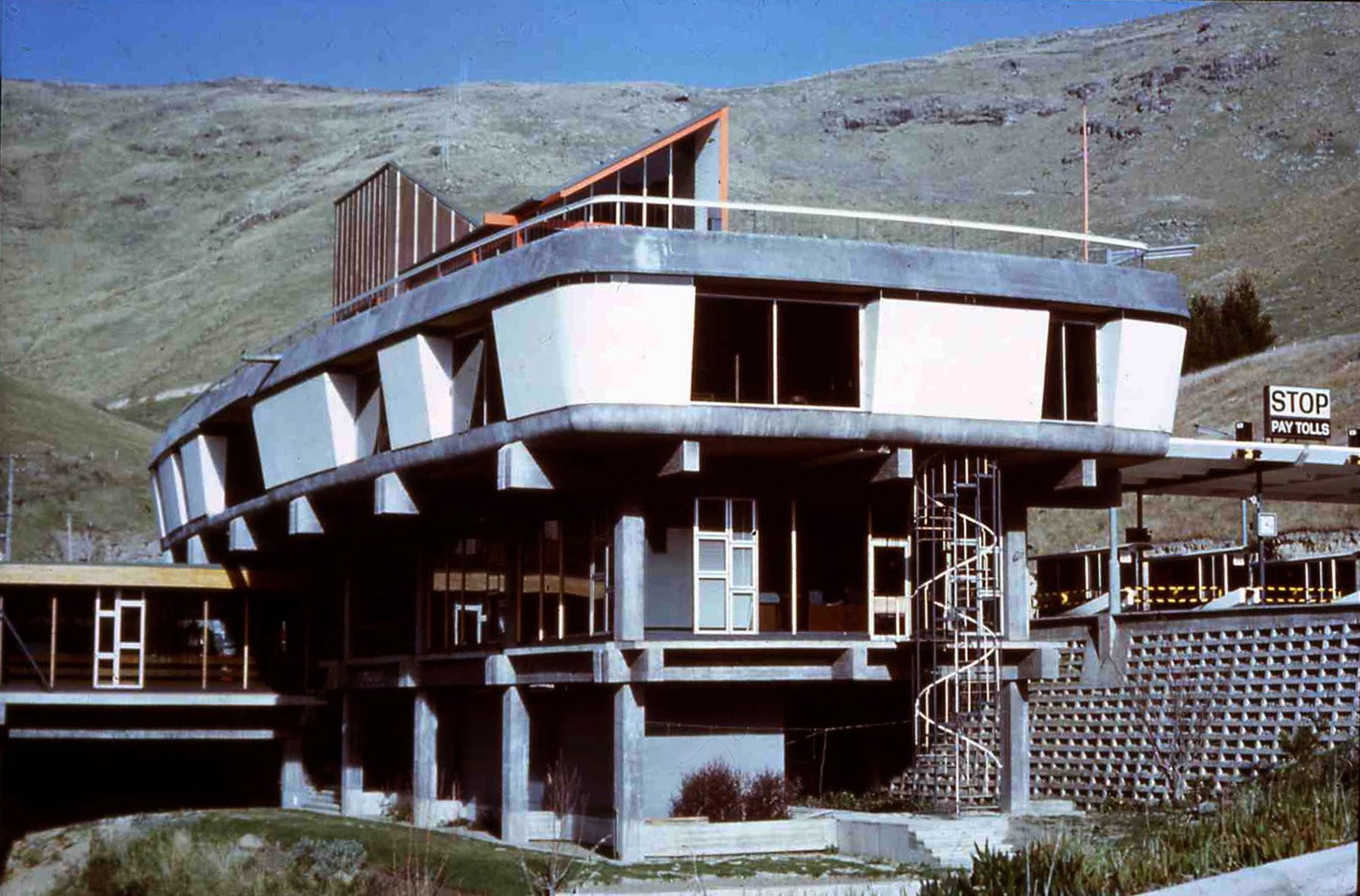
Lyttelton Tunnel Administration Building, 1964
Christchurch's ‘fifth ship’, designed by Peter Beaven and completed in 1964, was sadly damaged in the February 2011 Christchurch earthquake. It was demolished in 2013.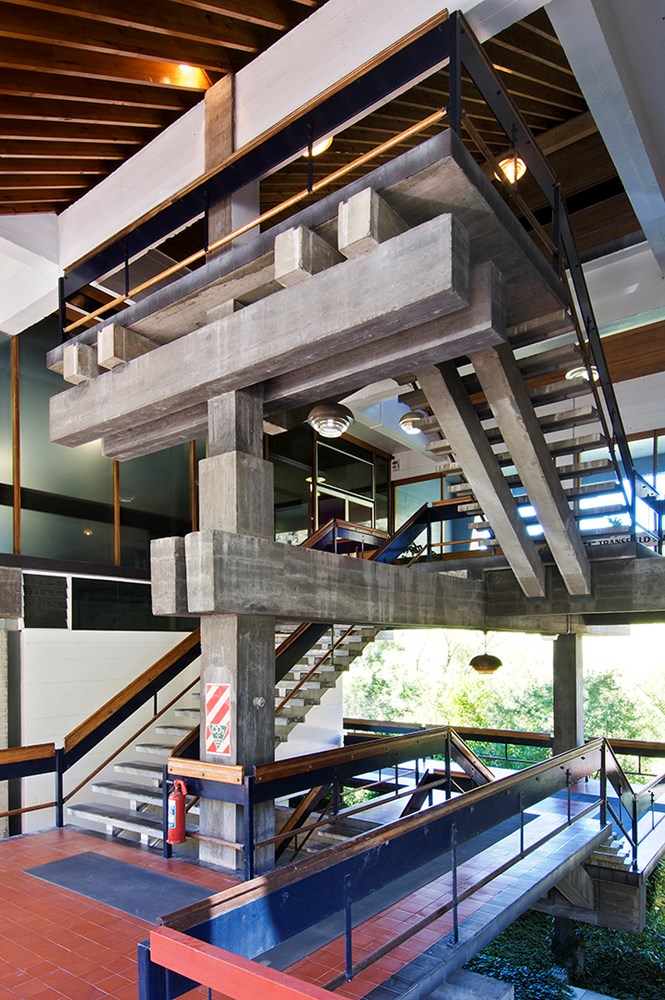
Lyttelton Tunnel Administration Building
Lyttelton Tunnel Building interior, designed by Peter Beaven, 1964. The interior features a significant staircase constructed with paired-beams and columns of reinforced concrete. Photo by Paul McCredie.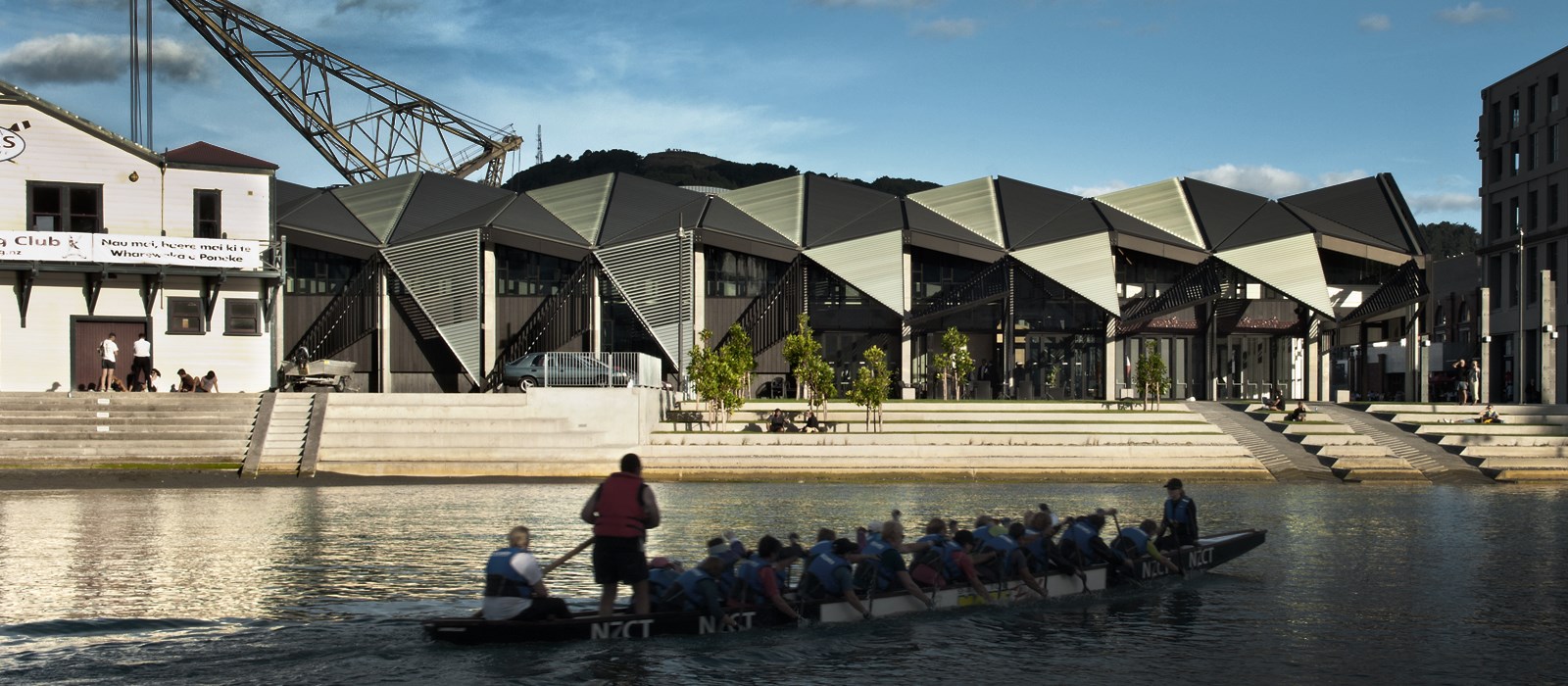
Te Wharewaka o Poneke, Wellington
View across Wellington’s Lagoon towards Te Wharewaka o Poneke – Te Raukura. Designed by architecture+, the building is cloaked in triangular panels. Photo by Paul McCredie.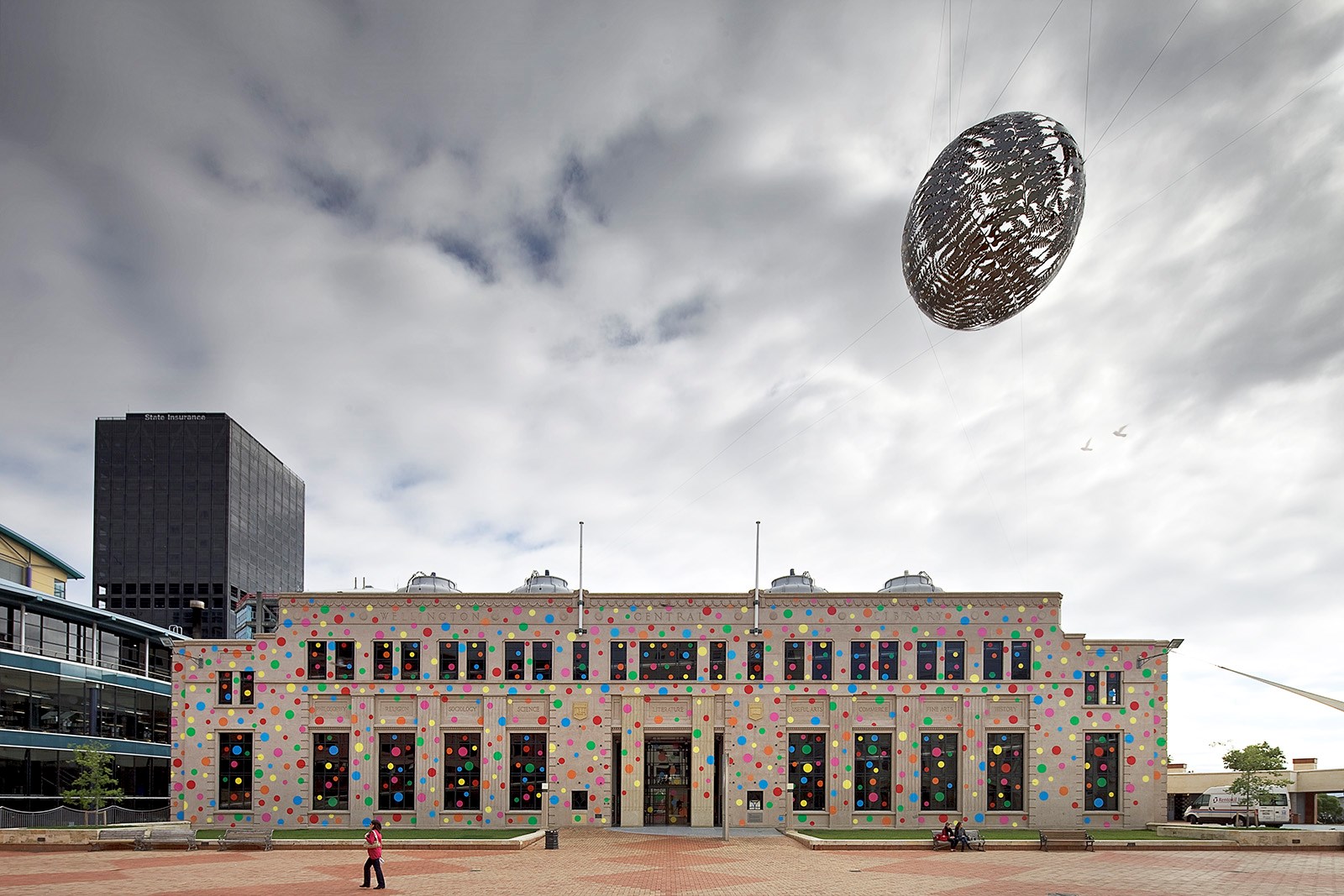
City Gallery Wellington
Photographed at the time of ‘Yayoi Kusama: Mirrored Years’, a 2009 exhibition at City Gallery Wellington. The gallery extension was designed by architecture+. Photo by Patrick Reynolds.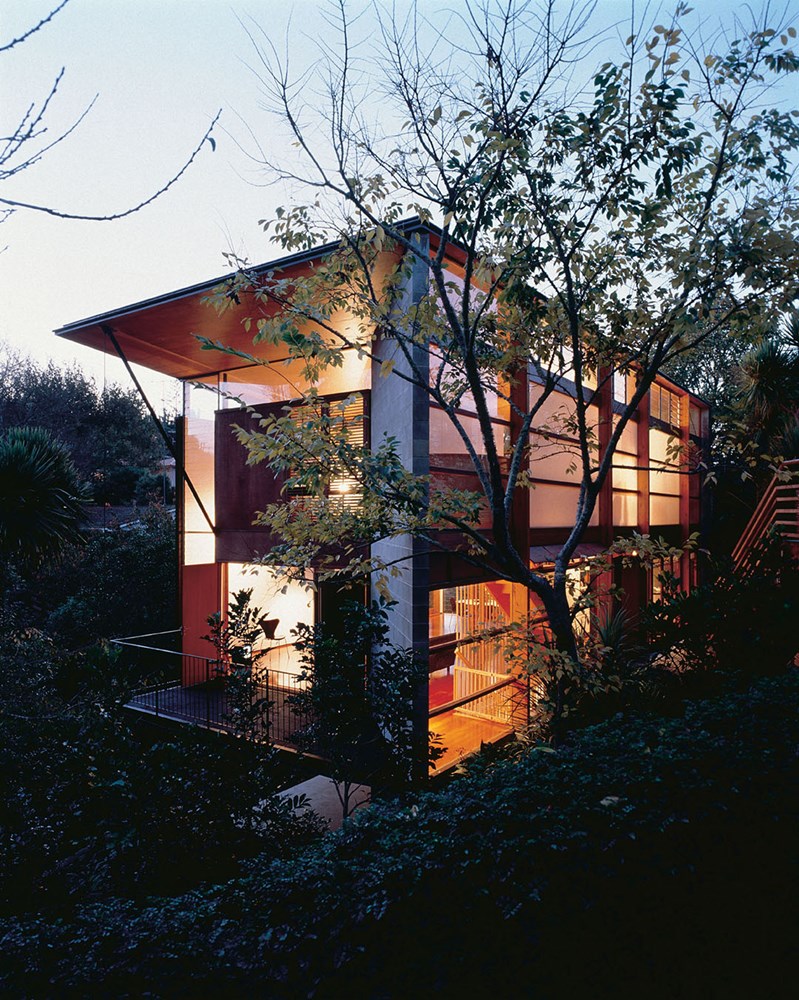
Clifford-Forsyth House, Auckland
Architectus (1995). The design concept began with an investigation of the relationship between a light wooden frame and concrete block walls. A 1997 National Award winner. Photo by Patrick Reynolds.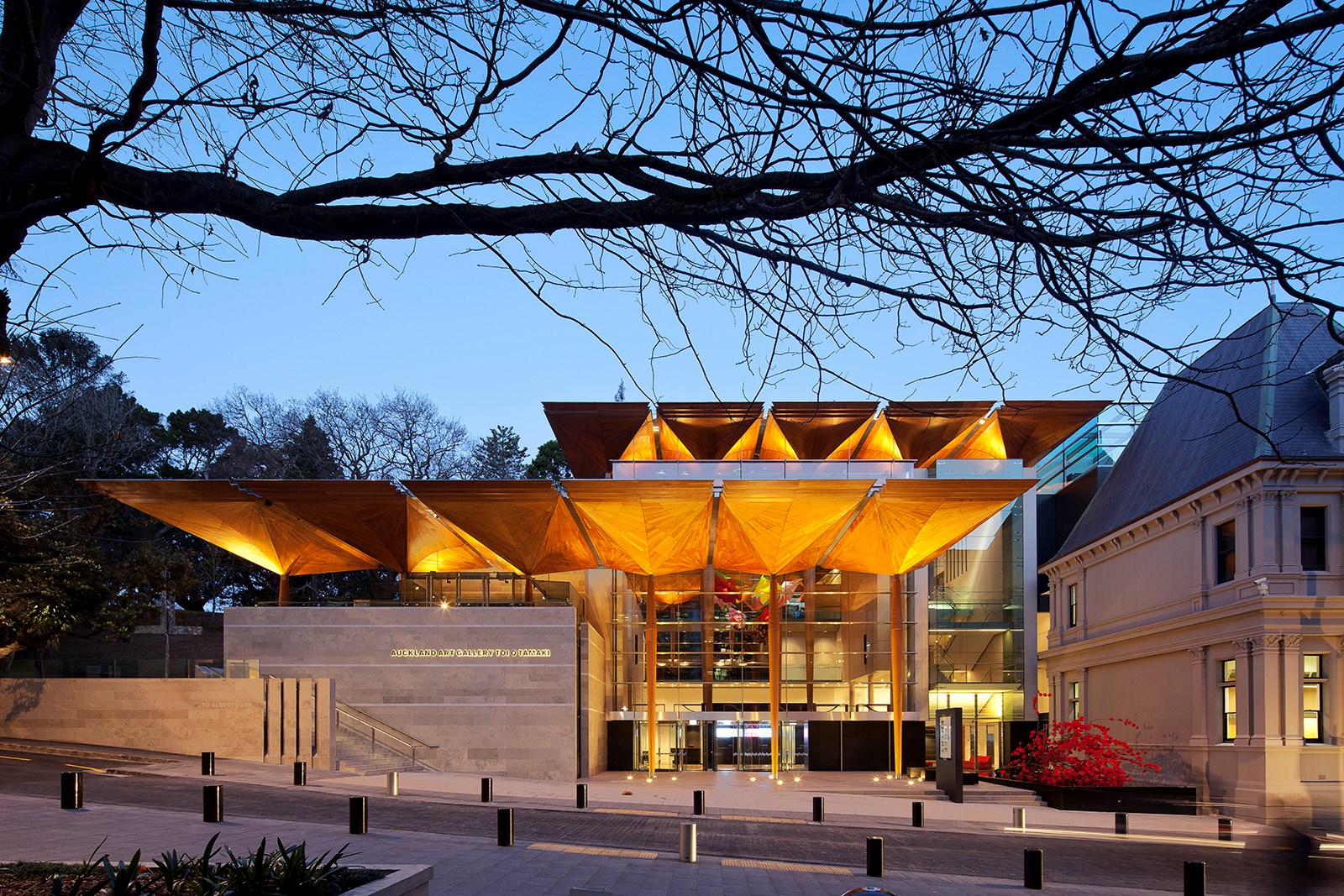
Auckland Art Gallery Toi o Tāmaki
A contemporary take on a vaulted roof form and a New Zealand Architecture Medal winner in 2012. Designed by FJMT + Archimedia. Photo by Patrick Reynolds.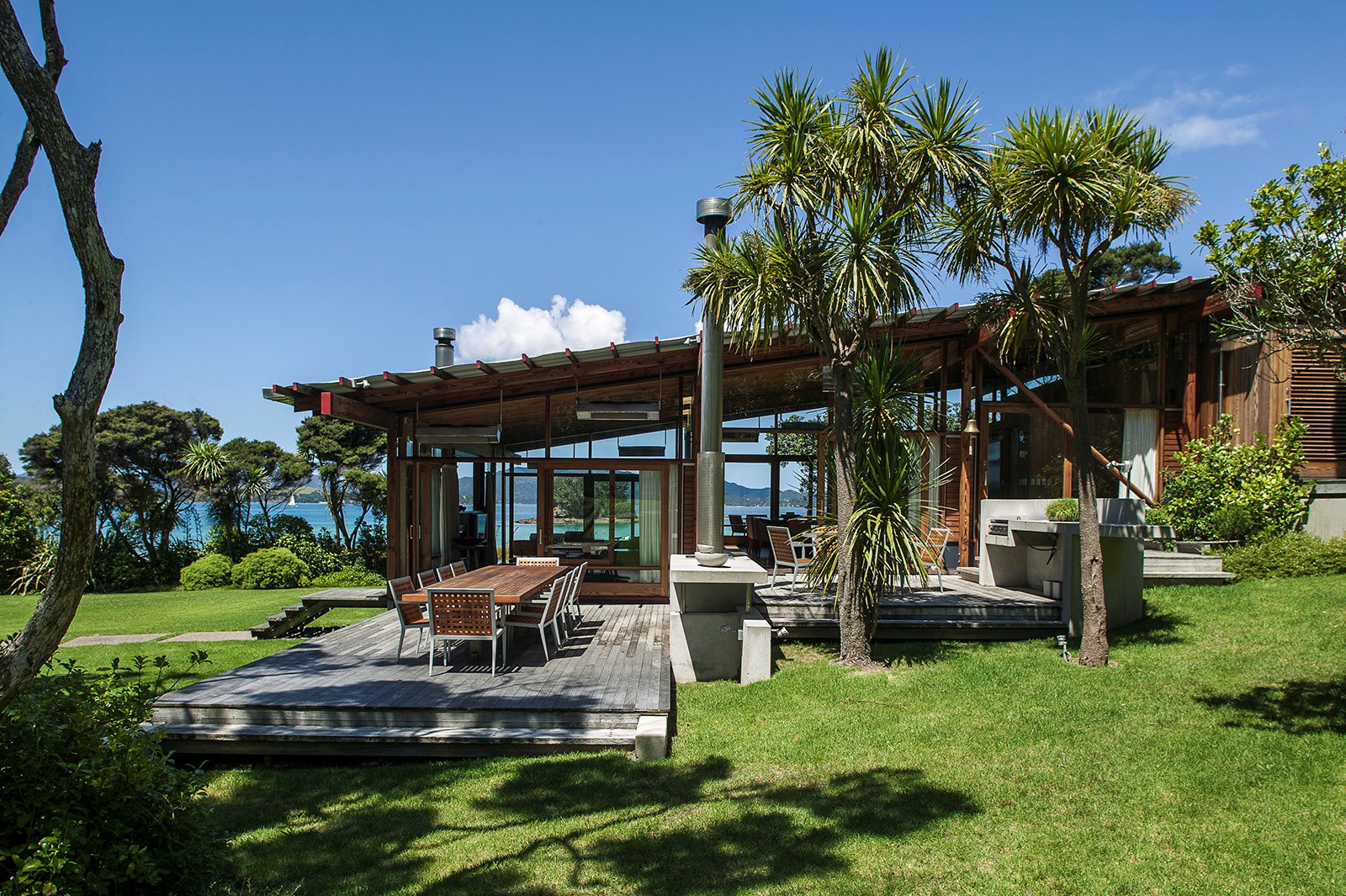
Heatley House, Moturoa Island
A modern pavilion. The lightness of form suggests a type of encampment. Bossley Architects, 1999. Photo by Patrick Reynolds.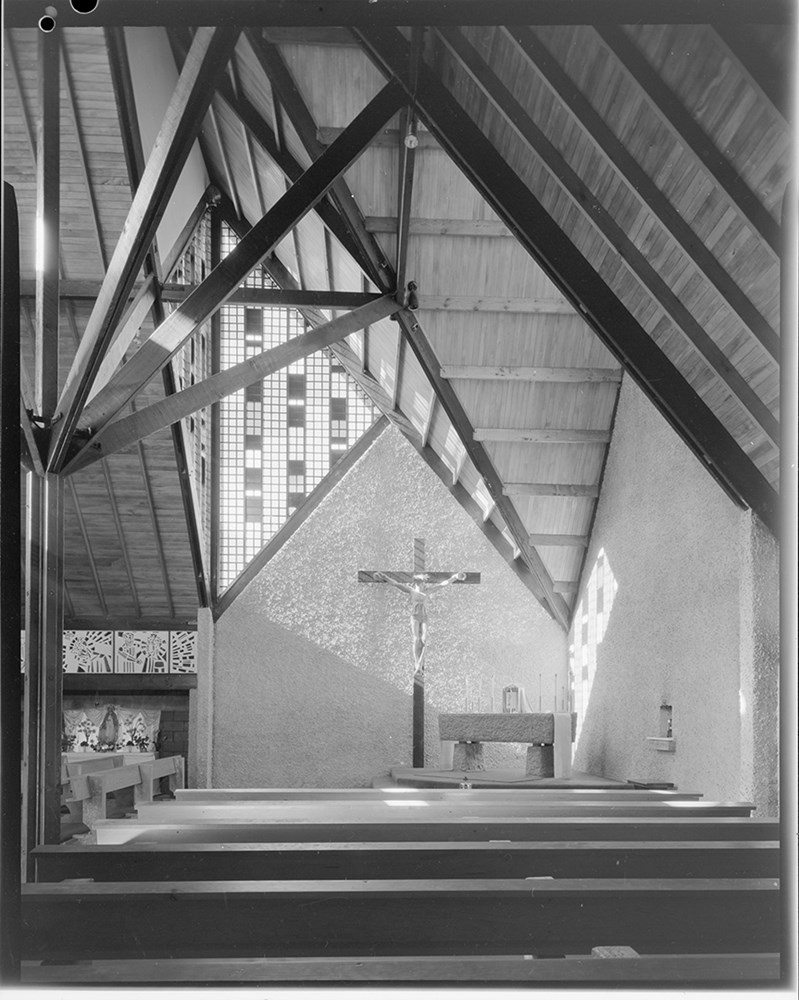
Futuna Chapel, Karori
Interior of Chapel of Futuna, Wellington, 1961, designed by architect John Scott. Photo (ca 1962–65) by Duncan Winder. Ref: DW-0192-F. Alexander Turnbull Library, Wellington, New Zealand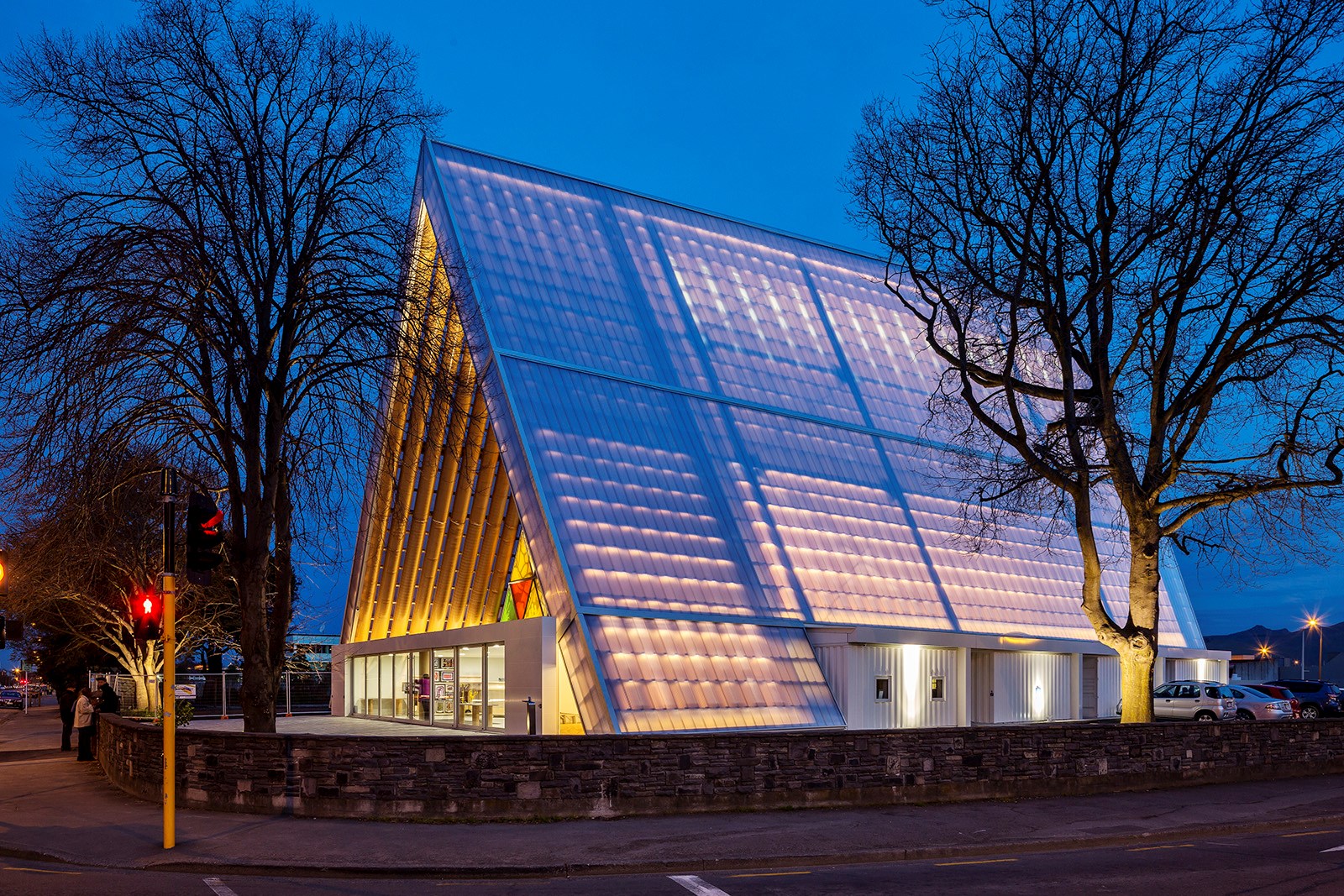
Transitional Cathedral, Christchurch
Also known as the Cardboard Cathedral, thanks to architect Shigeru Ban’s employ of large, low-cost cardboard tubes in the construction process. Designed with Warren and Mahoney, 2013. Photo by Patrick Reynolds.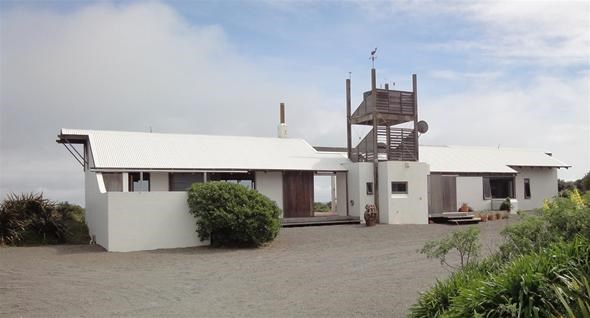
Te Horo Beach House
Craig Craig Moller Architects, 1986. Enduring Architecture Award winner in 2014. The design incorporates some of the features of a traditional New Zealand bach.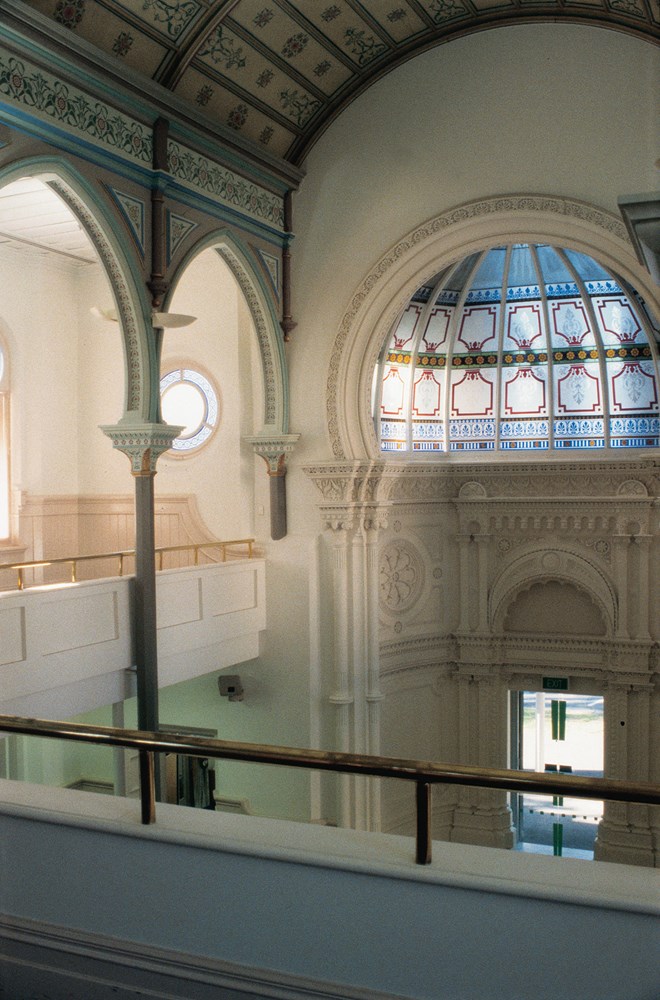
Old Synagogue Conversion
Originally designed and built by Edward Bartley in 1884-1885, the synagogue building blends Moorish and classical elements. Cook sargisson and Pirie received an NZIA National Award in 1990 for its sympathetic restoration.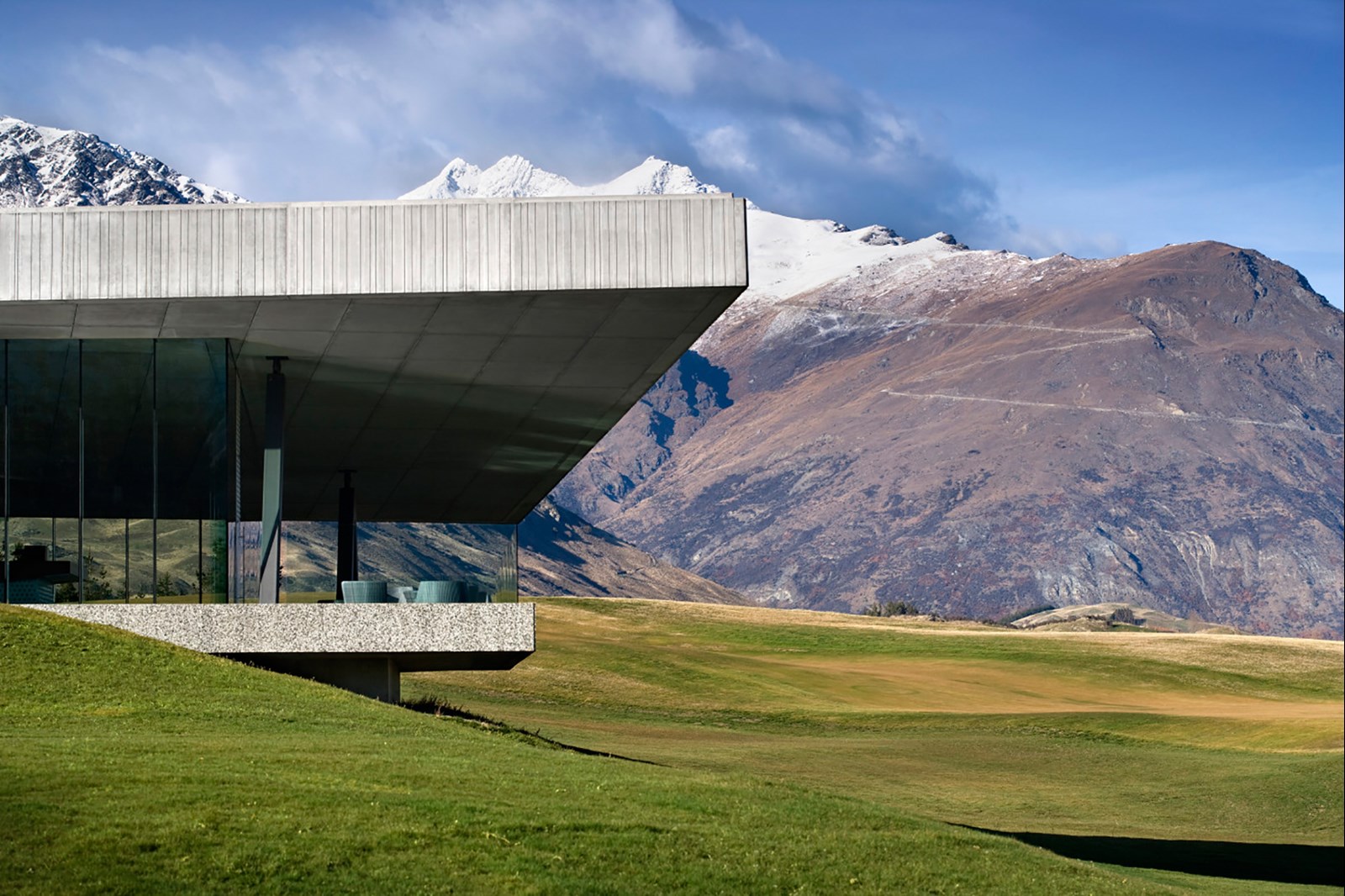
The Hills Clubhouse, Queenstown
A sophisticated bunker, less than a quarter of the Clubhouse is above ground. The roof is topped with native tussock while large floor-to-ceiling windows and a covered deck provide a grandstand view of the 18th hole. Patterson Associates, Supreme Award, 2008.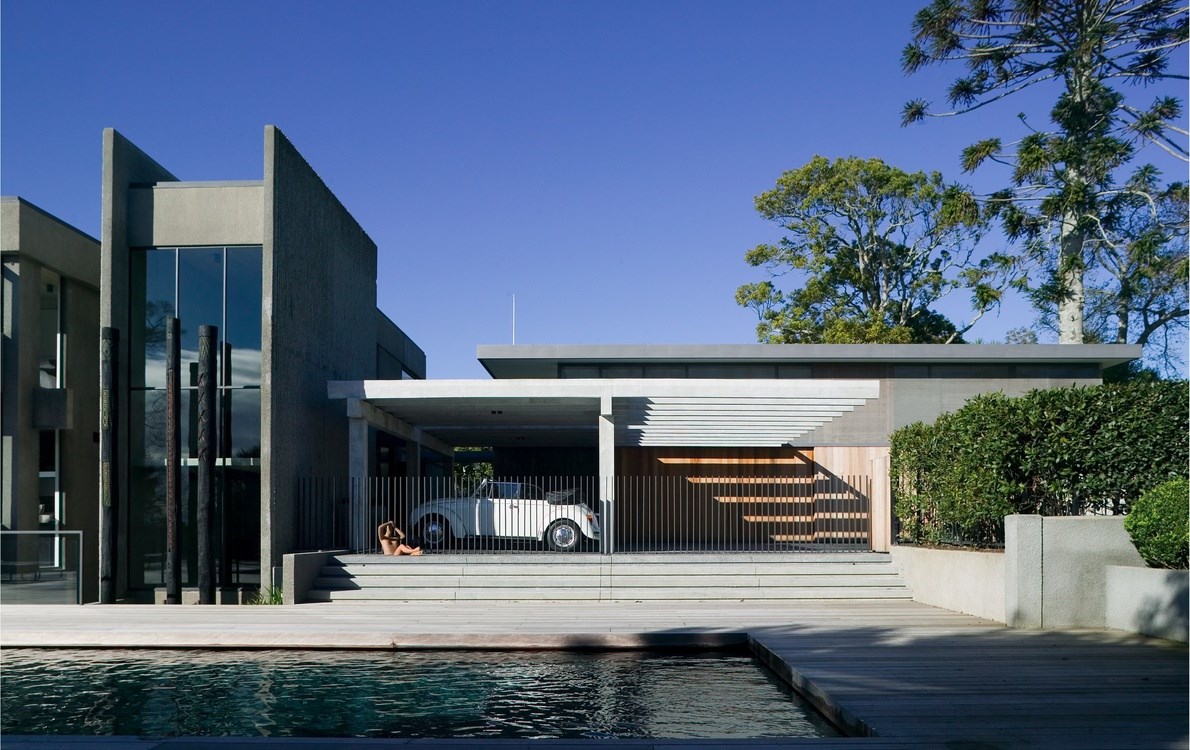
Sargent-Dunn House
A concrete house designed by Ron Sang in the 1970s and later reworked by Fearon Hay Architects. A Supreme Award winner in 2007. Photo by Patrick Reynolds.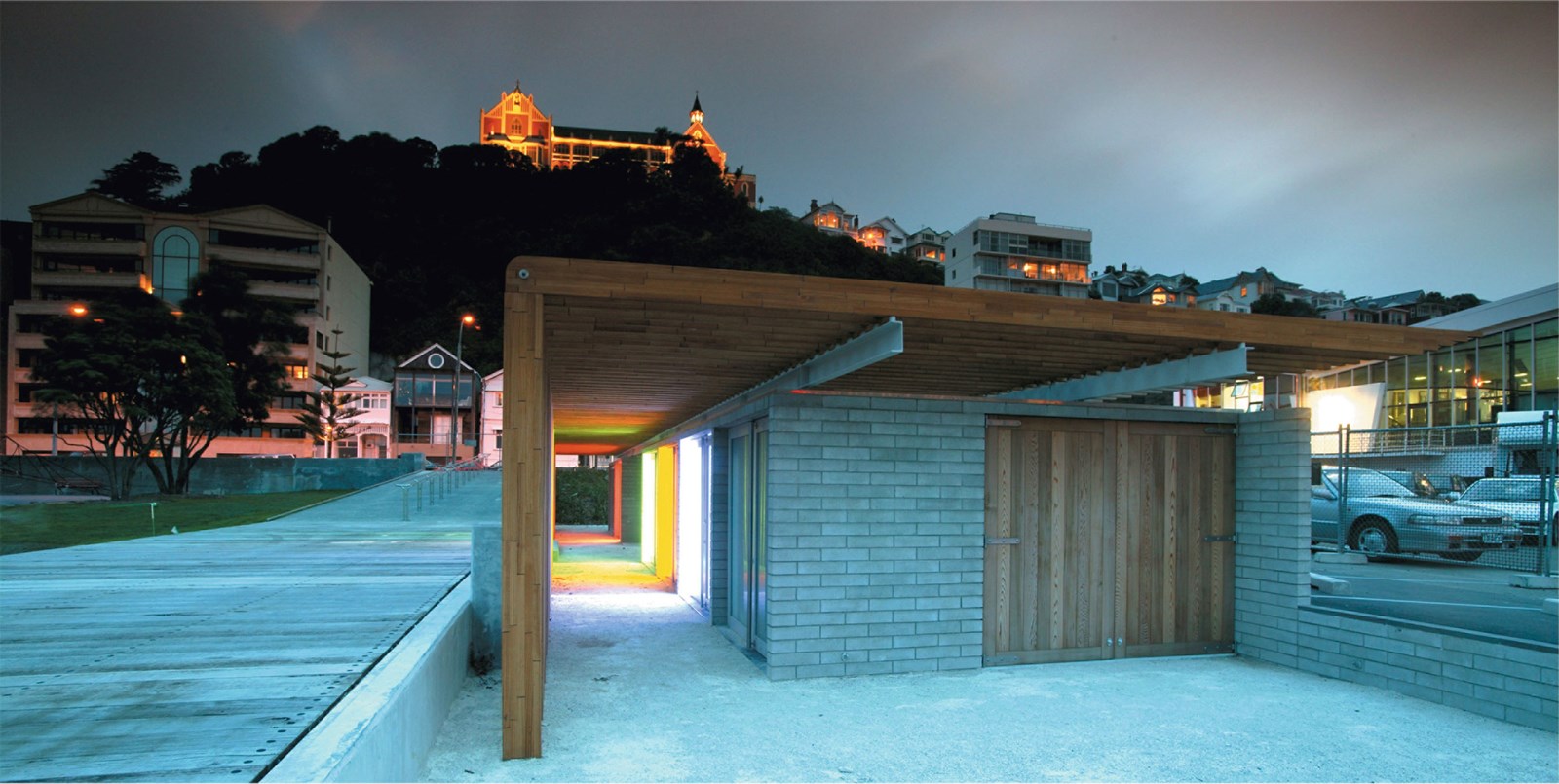
Oriental Bay Enhancement
Amenity buildings were part of a significant reworking of Oriental Bay undertaken Architecture Workshop, Isthmus & Tonkin and Taylor. Supreme Award, 2006.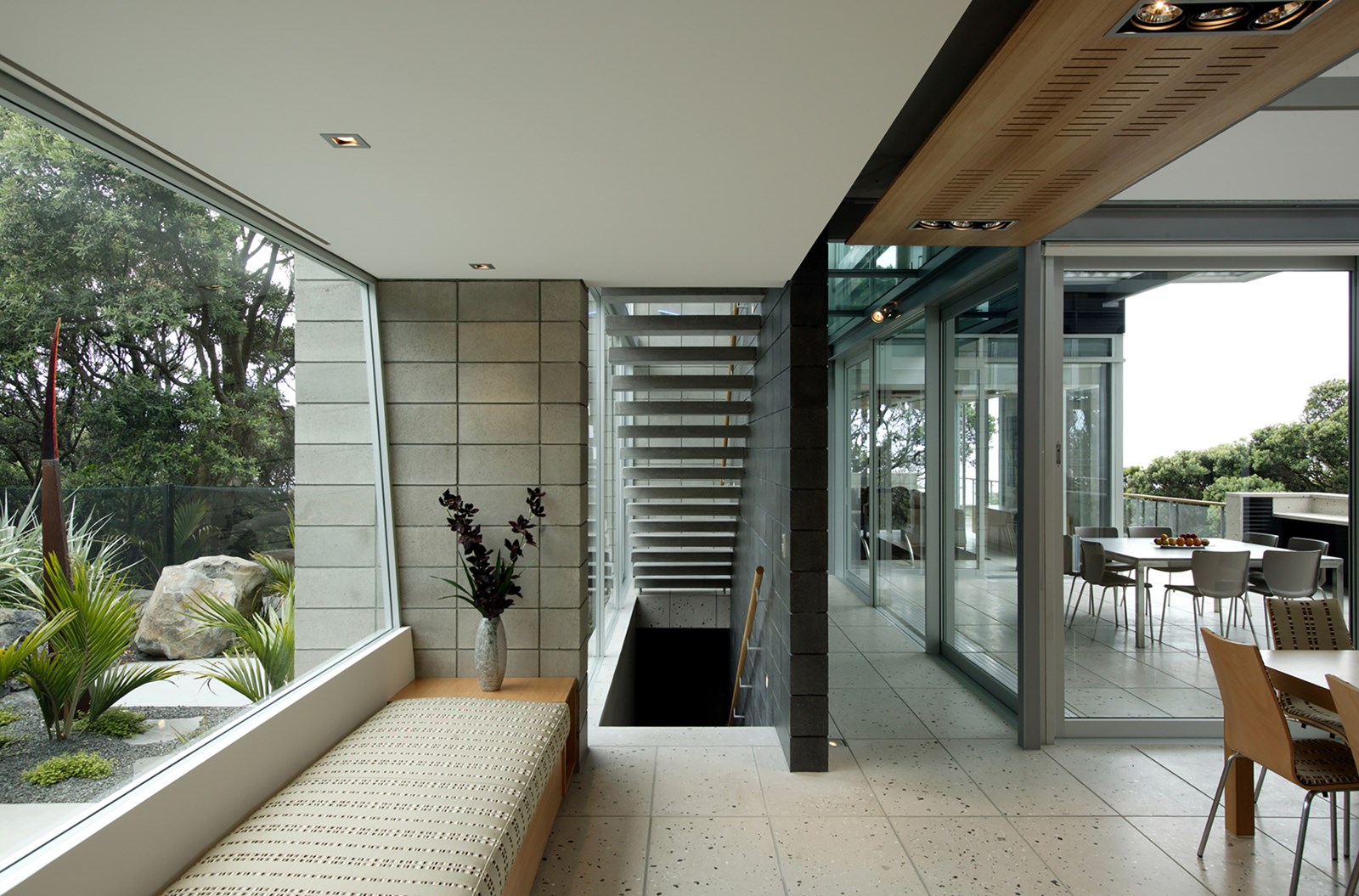
West Coast Beach House
XSite Architects, Supreme Award, 2005. The house is organised around a courtyard and a black honed-block wall that rises through the house to the third floor. Photo by Simon Devitt.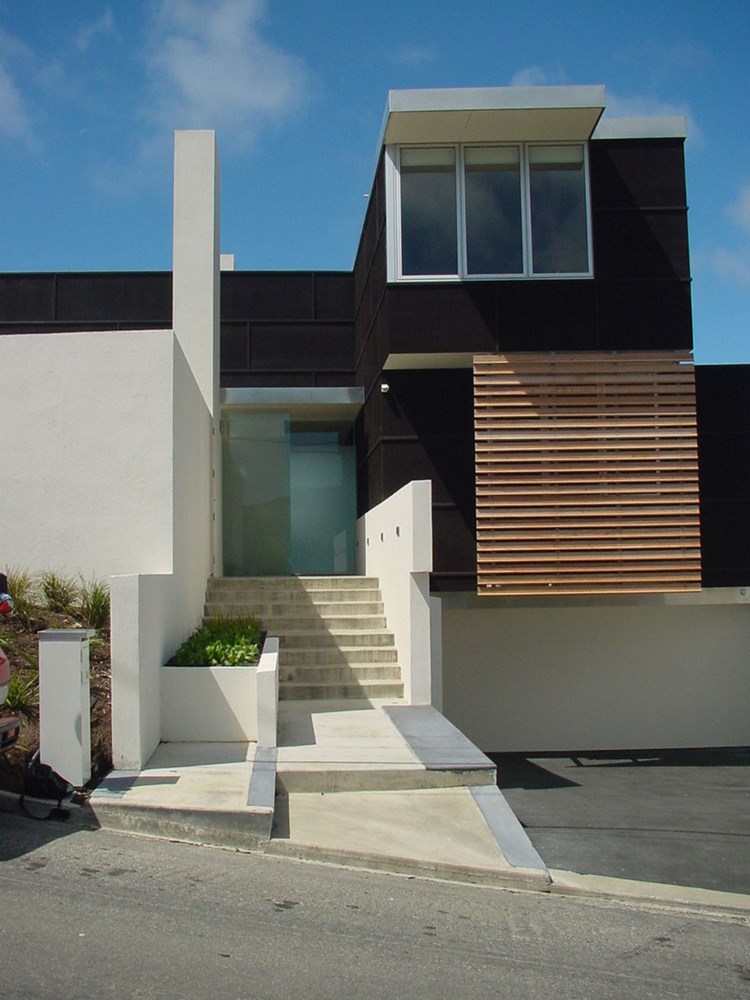
Northland House, Wellington
From the road, the house peers austerely over the protective courtyard wall. Interior spaces are open and connected to the outside. Parsonson Architects, Supreme Award, 2003. Photo by Paul McCredie.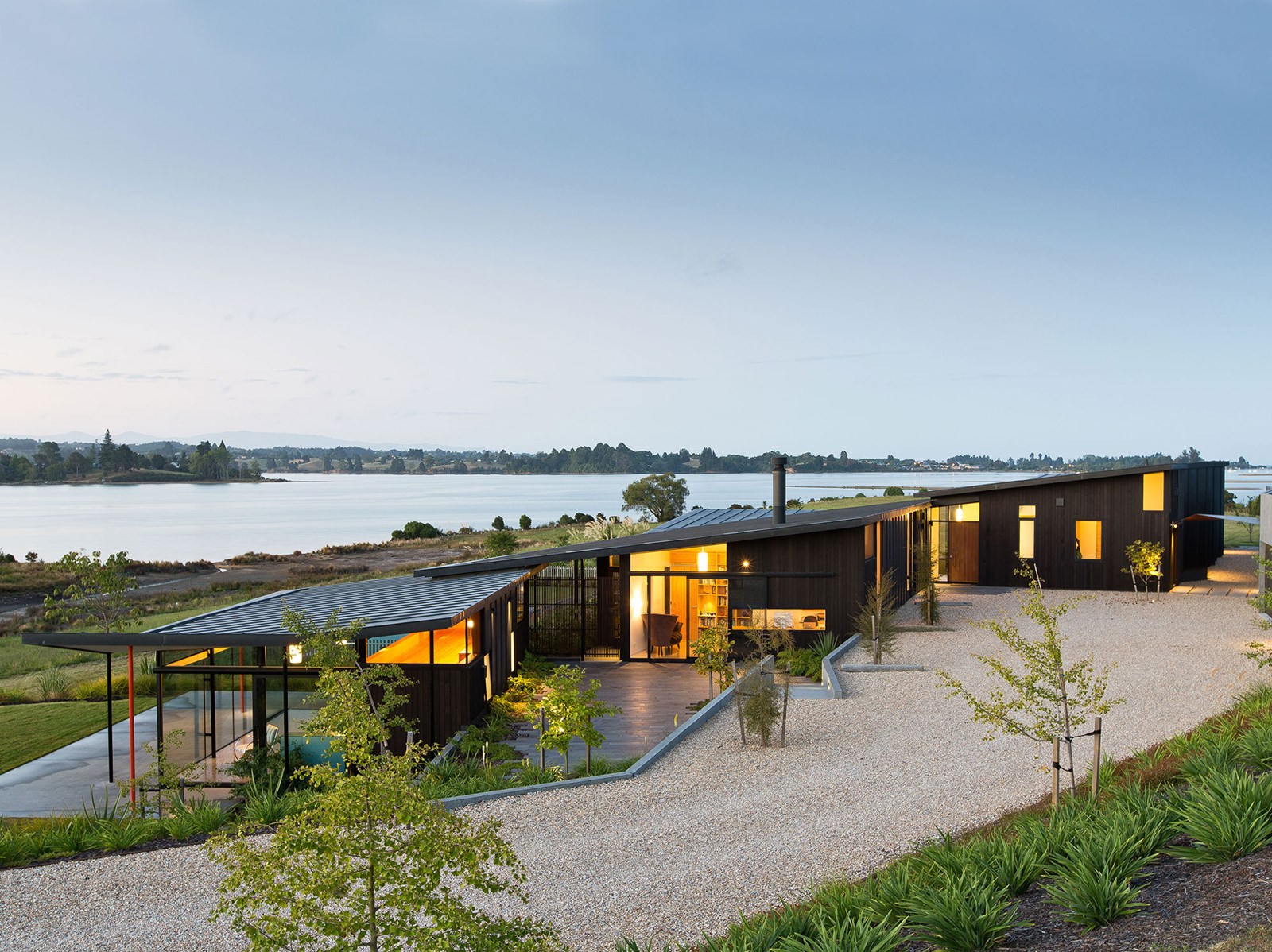
Torea House, Waimea
Named after a native bird, the Torea House is sits below a ridge line to disguise its presence in the landscape. Tennent + Brown Architects. Nelson/Marlborough Architecture Award winner, 2013. New Zealand Award winner 2014. Photo by Paul McCredie.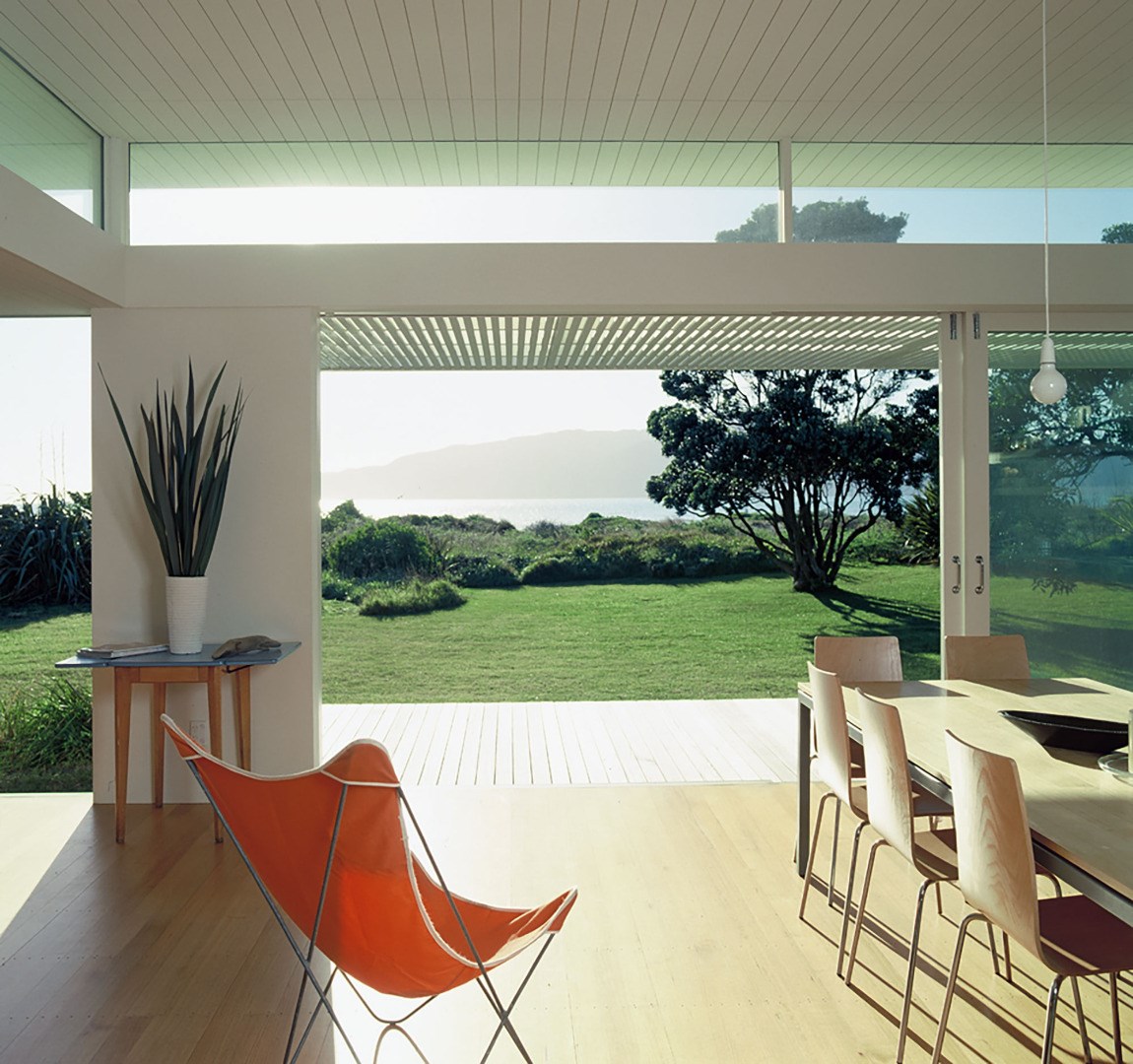
Parsonson Beach House, Paraparaumu
Parsonson Architects. The living area is a raised pavilion from which to enjoy hot summers and views of the sea. Supreme Award winner, 2002. Photo by Paul McCredie.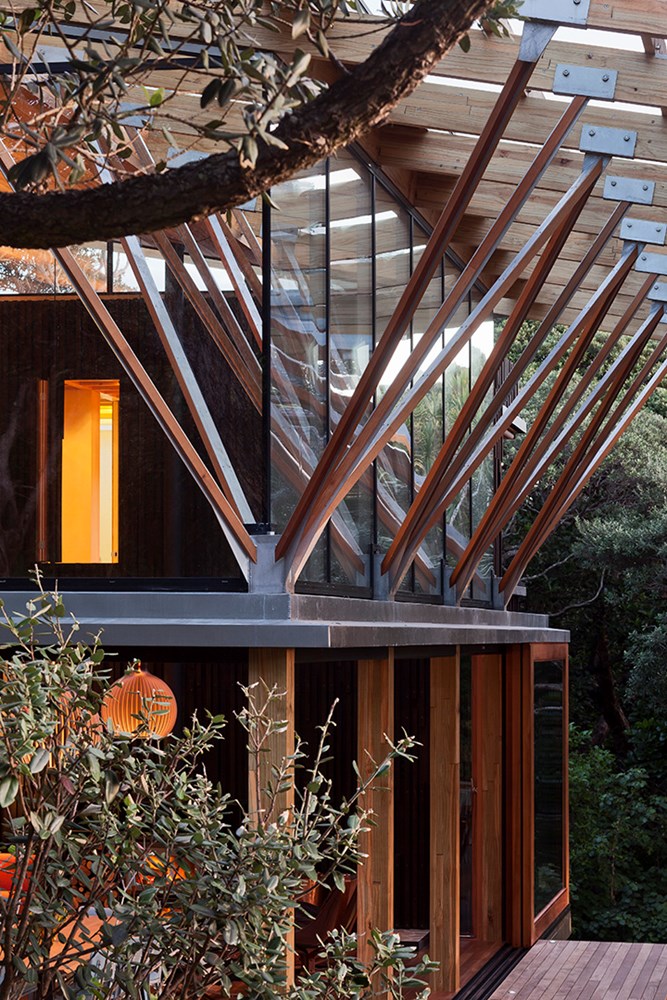
Under Pohutukawa
A poetic response by Herbst Architects for a sensitive Piha site, surrounded by ancient trees, that required a deliberate approach. Photo by Patrick Reynolds.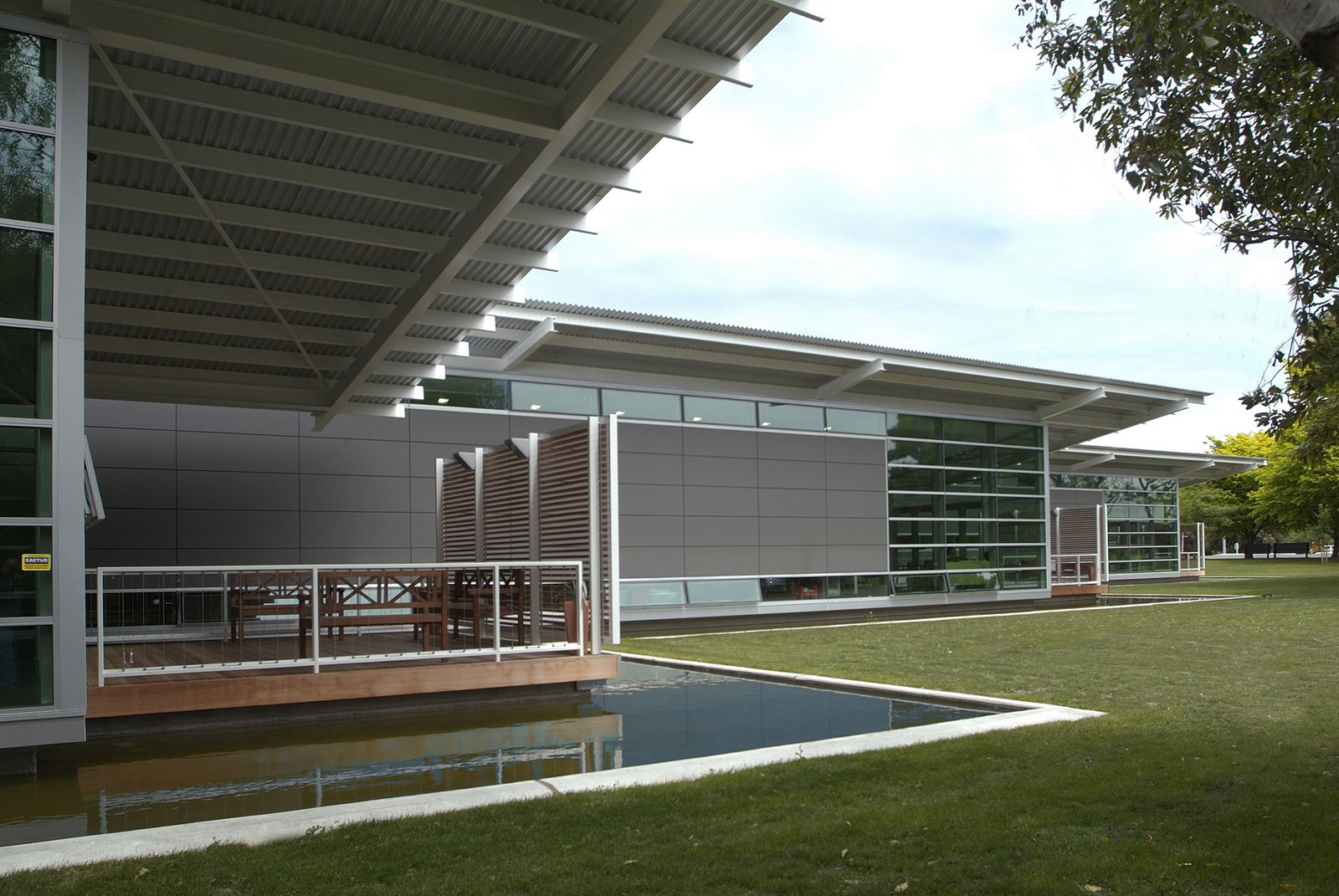
South Christchurch Library and Service Centre
Warren and Mahoney. Supreme Award, 2004. Photo by Simon Devitt.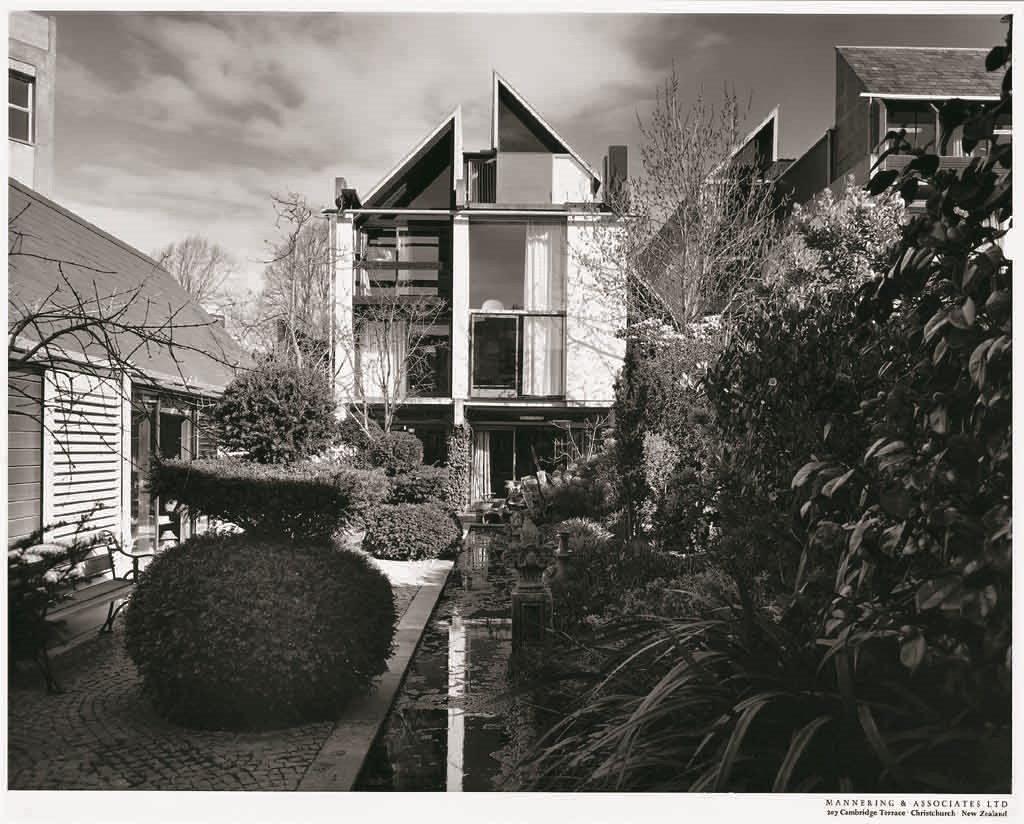
65 Cambridge Terrace House & Offices
Once the studio of Warren and Mahoney. The design is comprised of two double-height boxes on legs. The south-facing box contained the draughting office. The north box contained the sitting room / office, generously proportioned to match the size of the draughting office, and facing north onto a walled garden.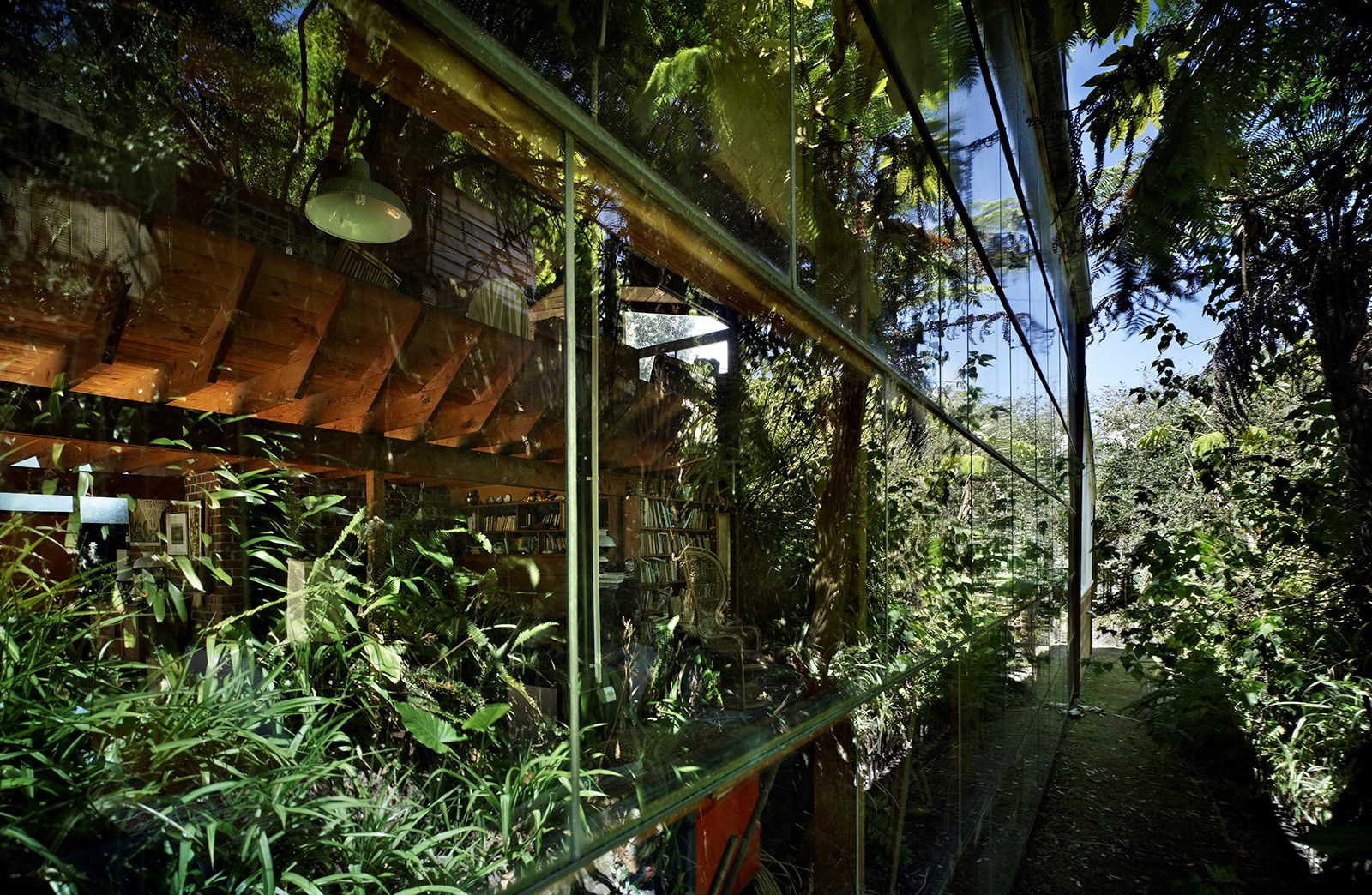
Rotherham House
A glazed wall of what was originally Group architect Bruce Rotherham's own home. Built in 1951, it has a double-height volume and a dish-shaped mezzanine that cups the upper space so no balustrade was required.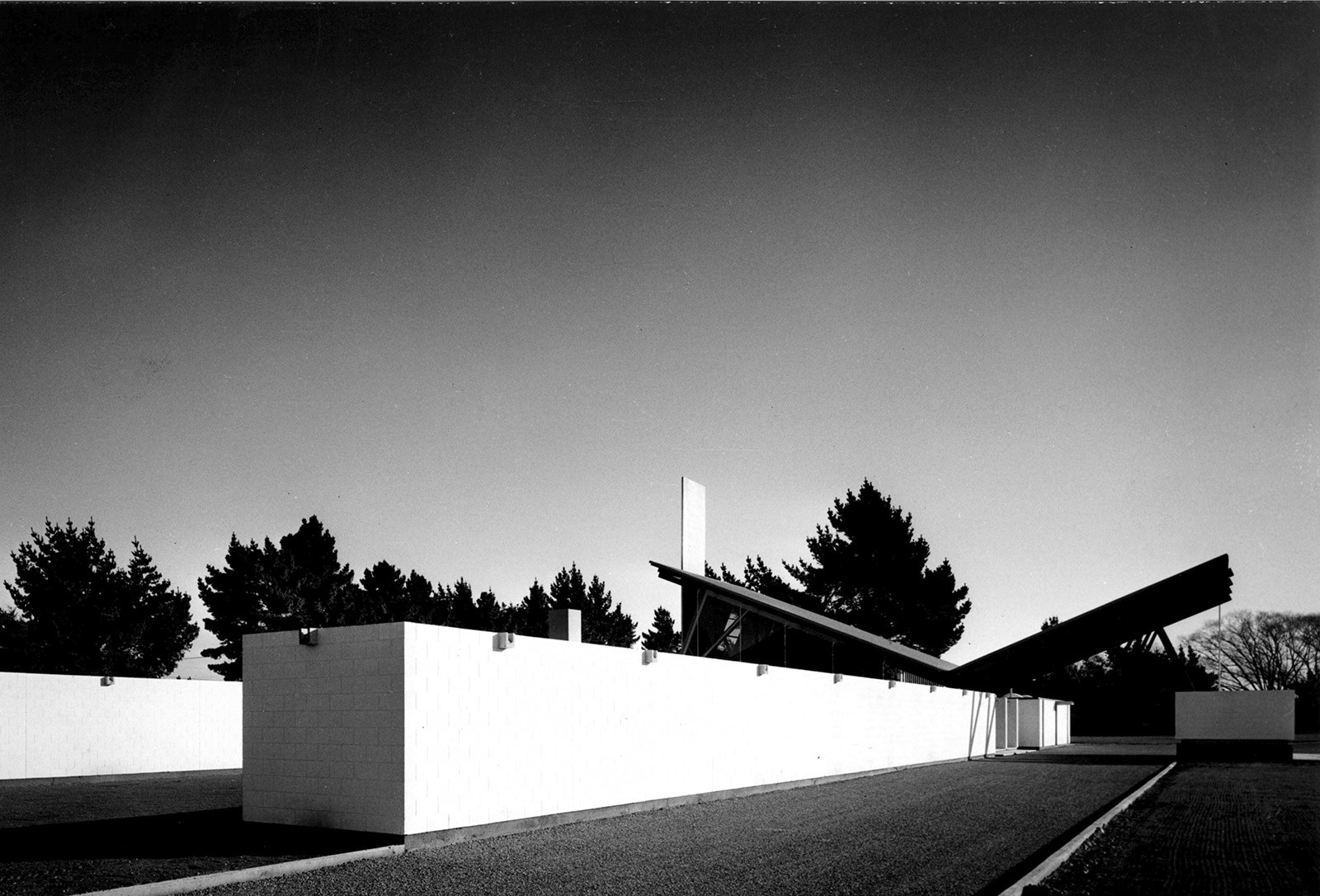
Harewood Memorial Gardens Crematorium
A serene building designed by Warren and Mahoney. The symbolic forms of the building and surrounding gardens, together with the use of simple materials, remain as appropriate today as in 1964 when the building won the NZIA Gold Medal.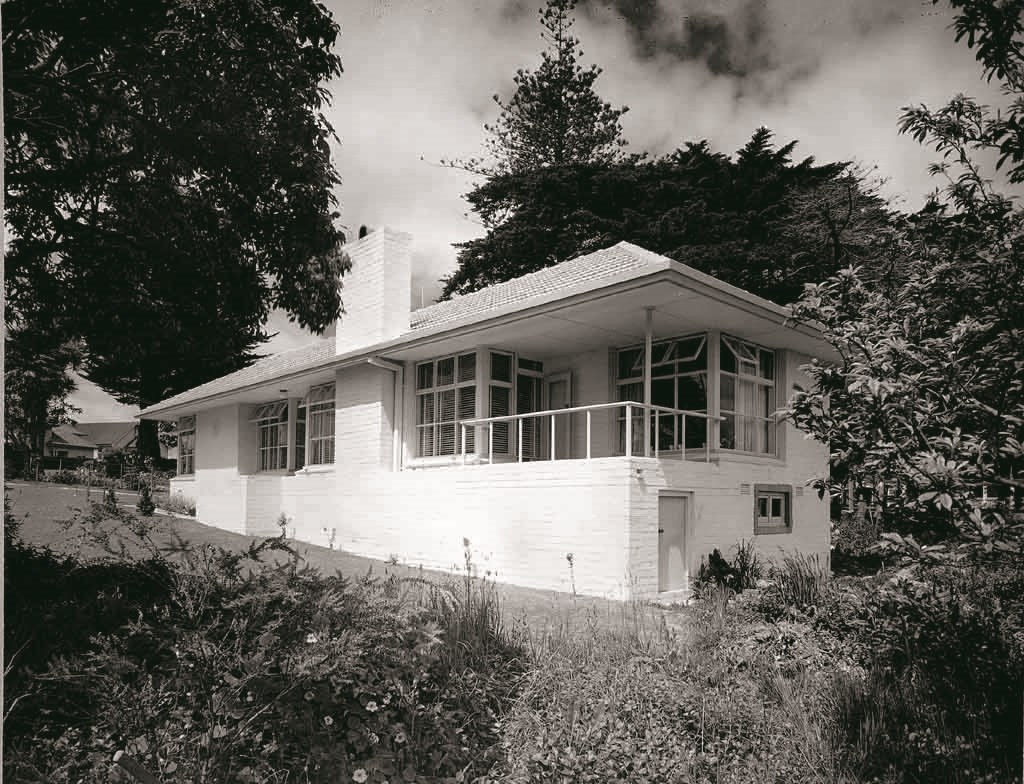
Browne House, Auckland
A St Heliers house in Auckland, designed by Watkin & Stemson. NZIA Bronze Medal, 1949.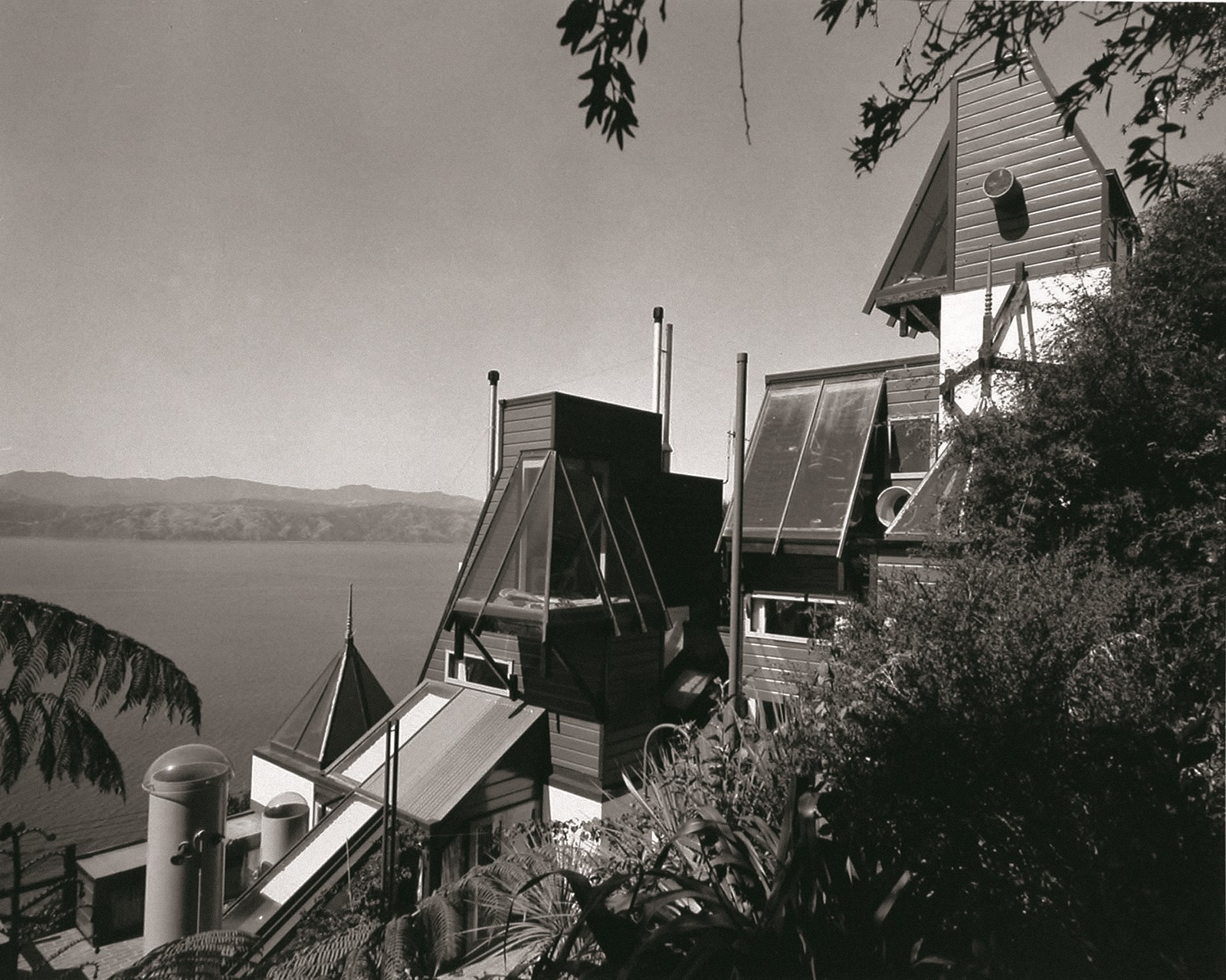
Britten House, Wellington
Britten House, Seatoun, by Roger Walker Architects. This, along with houses by Walker and fellow Wellington architect Ian Athfield, dispensed with open-plan living in favour of multiple rooms, many of which were given their own design expression.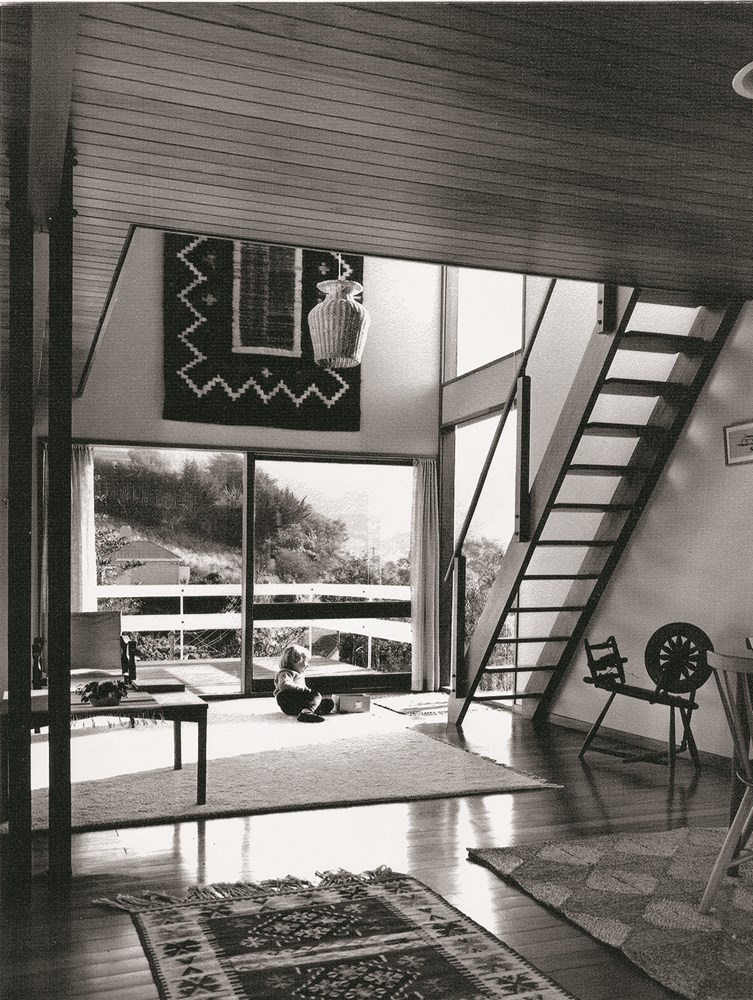
Blackman House, Dunedin
Designed by NZIA Gold Medallist E.J McCoy for a precipitous Dunedin site.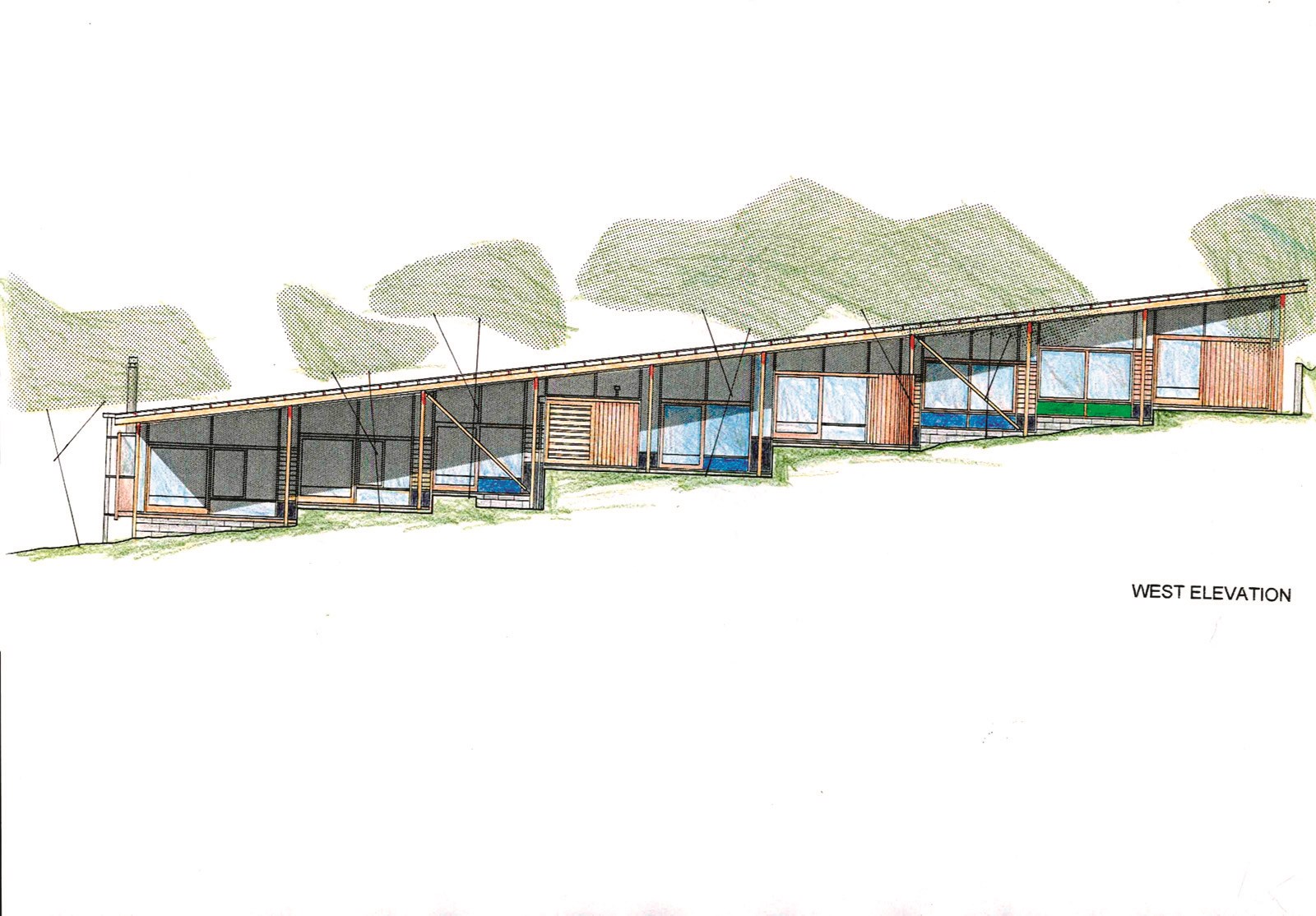
Heatley House, Moturoa
As drawn by Pete Bossley, the house interrogates the notion of a roof hovering above the landscape.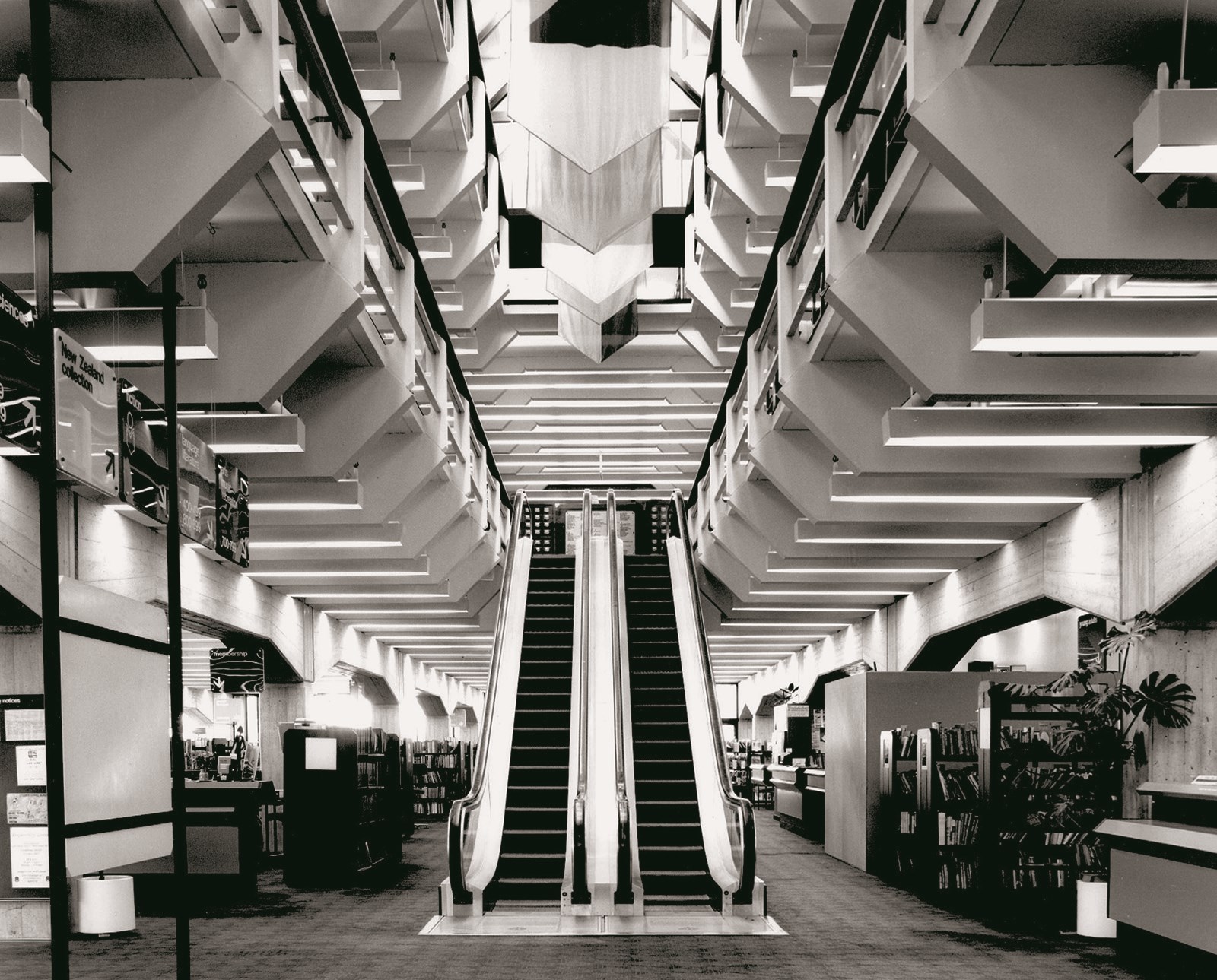
Canterbury Public Library
A 1983 National Award winner by Warren and Mahoney that was demolished in the aftermath of the Canterbury earthquakes.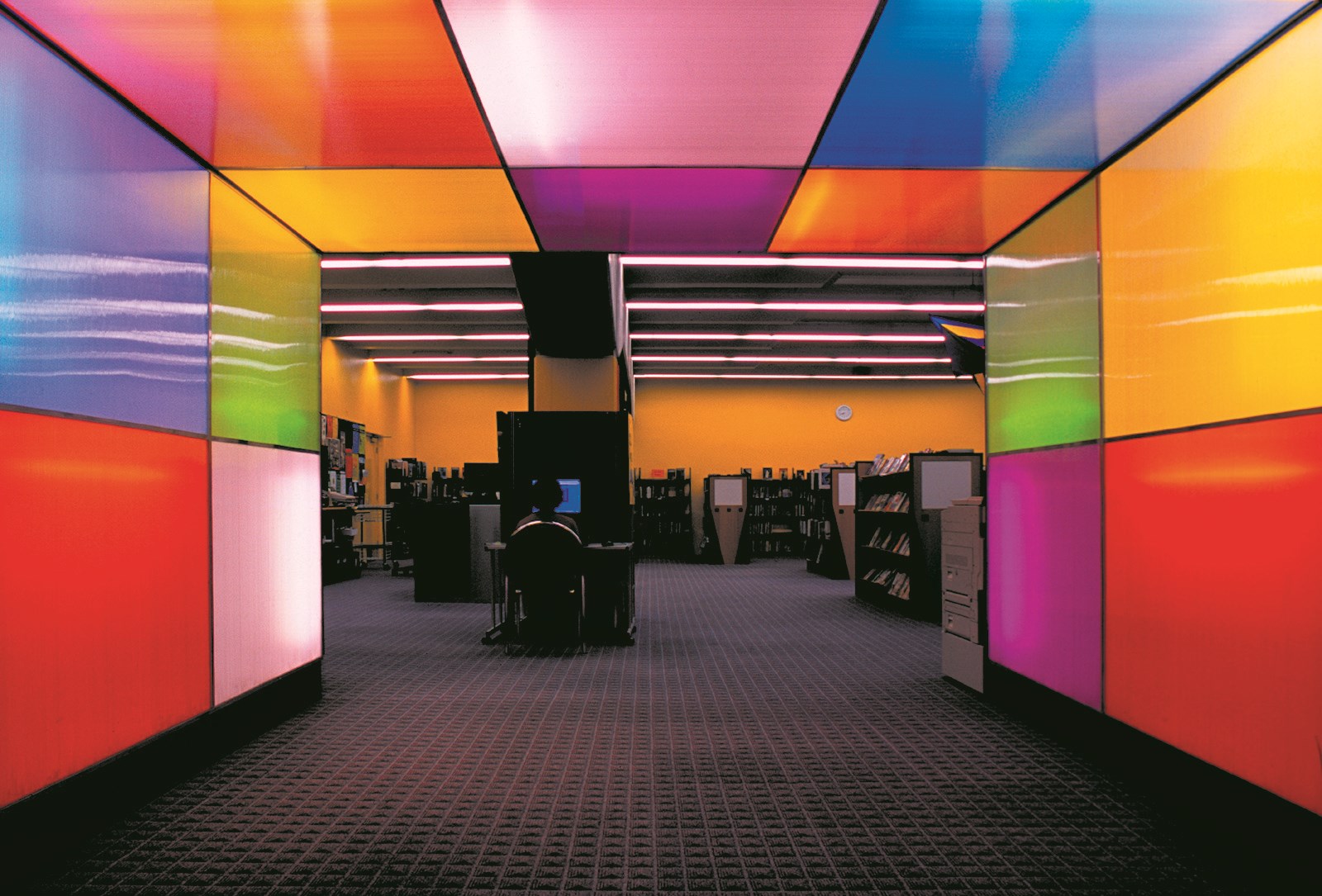
Canterbury Public Library
An exceptionally colourful library interior for this Warren and Mahoney designed building. A 1983 National Award winner, now demolished.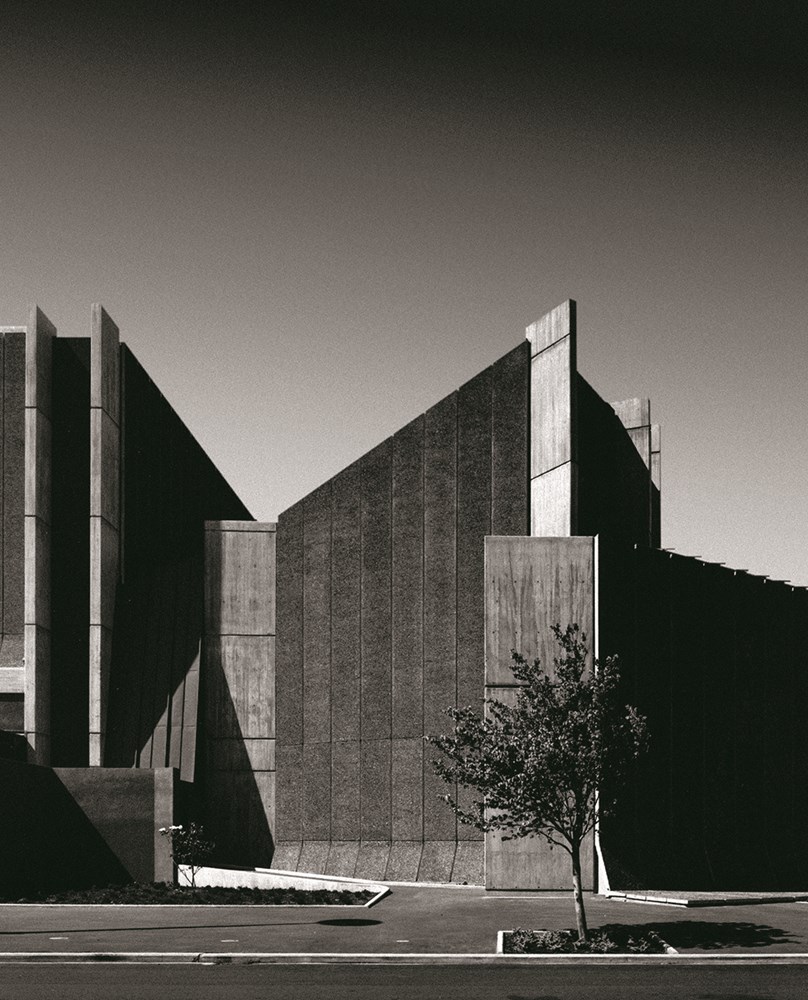
Christchurch Town Hall
When completed in 1972, the first totally new town hall in New Zealand for nearly 50 years. Designed by Warren and Mahoney.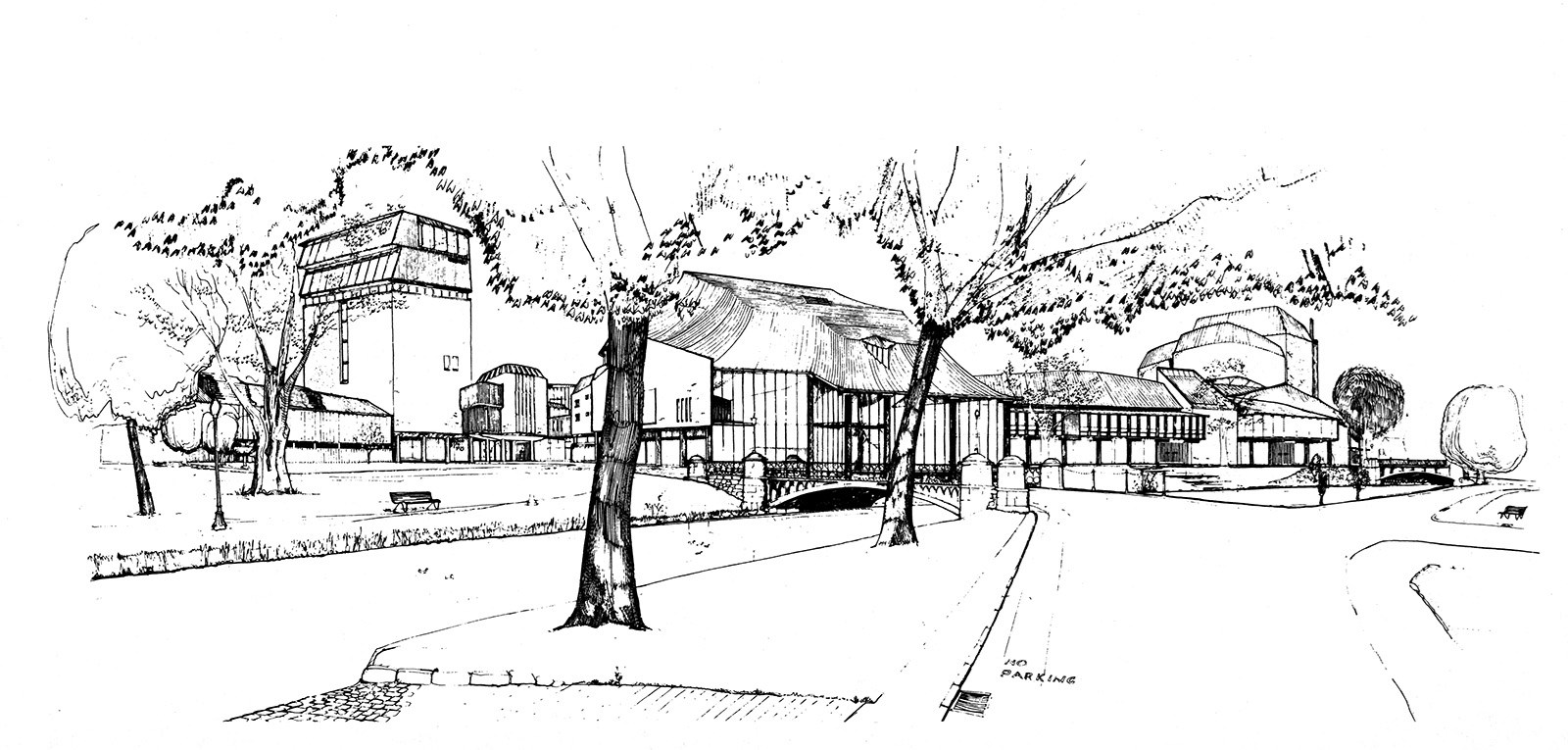
Christchurch Town Hall Competition Entry
Peter Beaven's 1966 design competition entry. Great retrospective of competition here by Philip Matthews: http://goo.gl/j0MN9E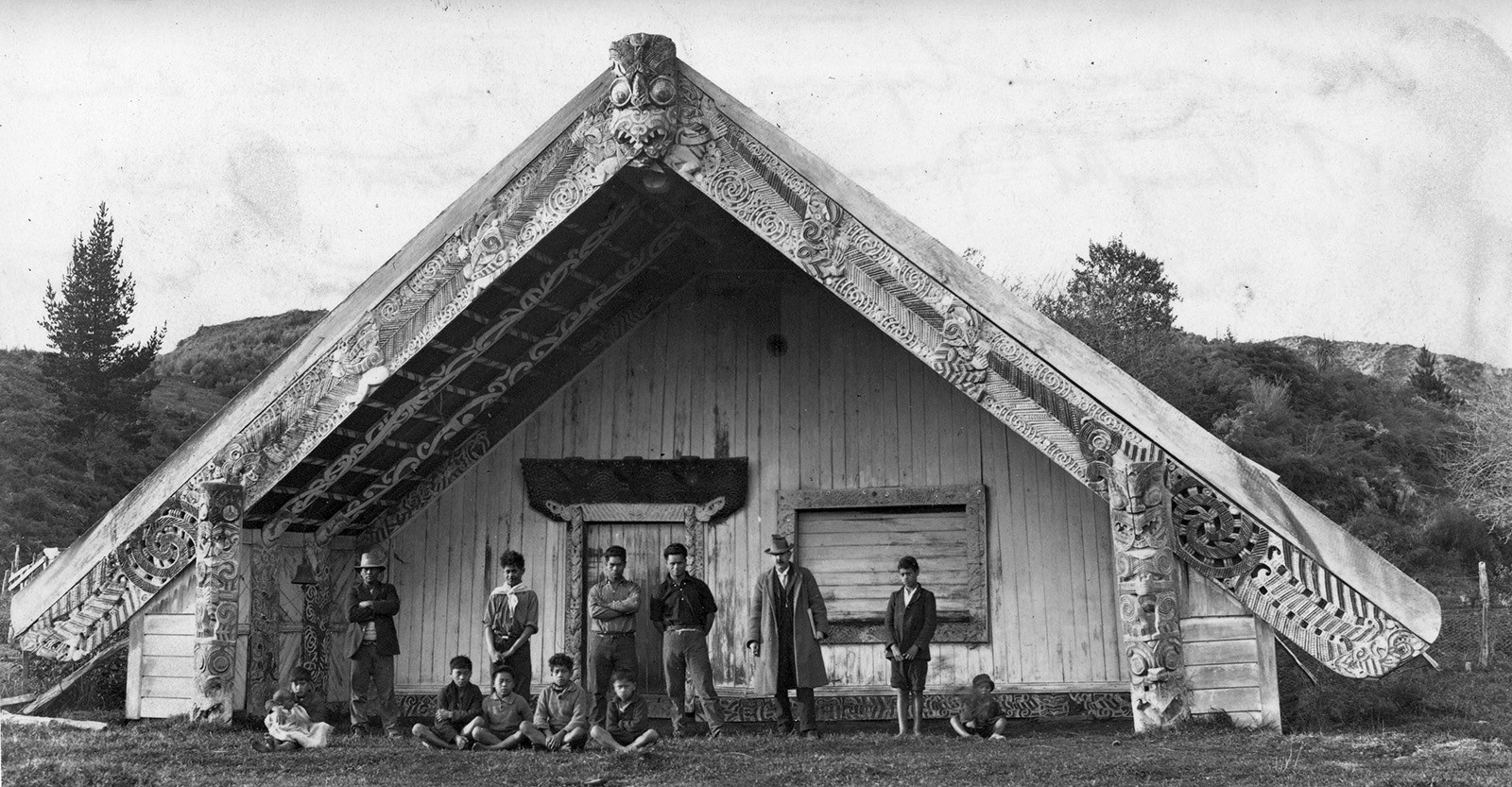
Wharenui Tāne Whirinaki at Opeke marae, 1920
A photo by Charles Troughton Clark of an iconic New Zealand structure. The image appeared in the catalogue for ‘Last, Loneliest, Loveliest’, New Zealand’s inaugural exhibition at the Venice Architecture Biennale. Photo courtesy of the Alexander Turnbull Library, Wellington.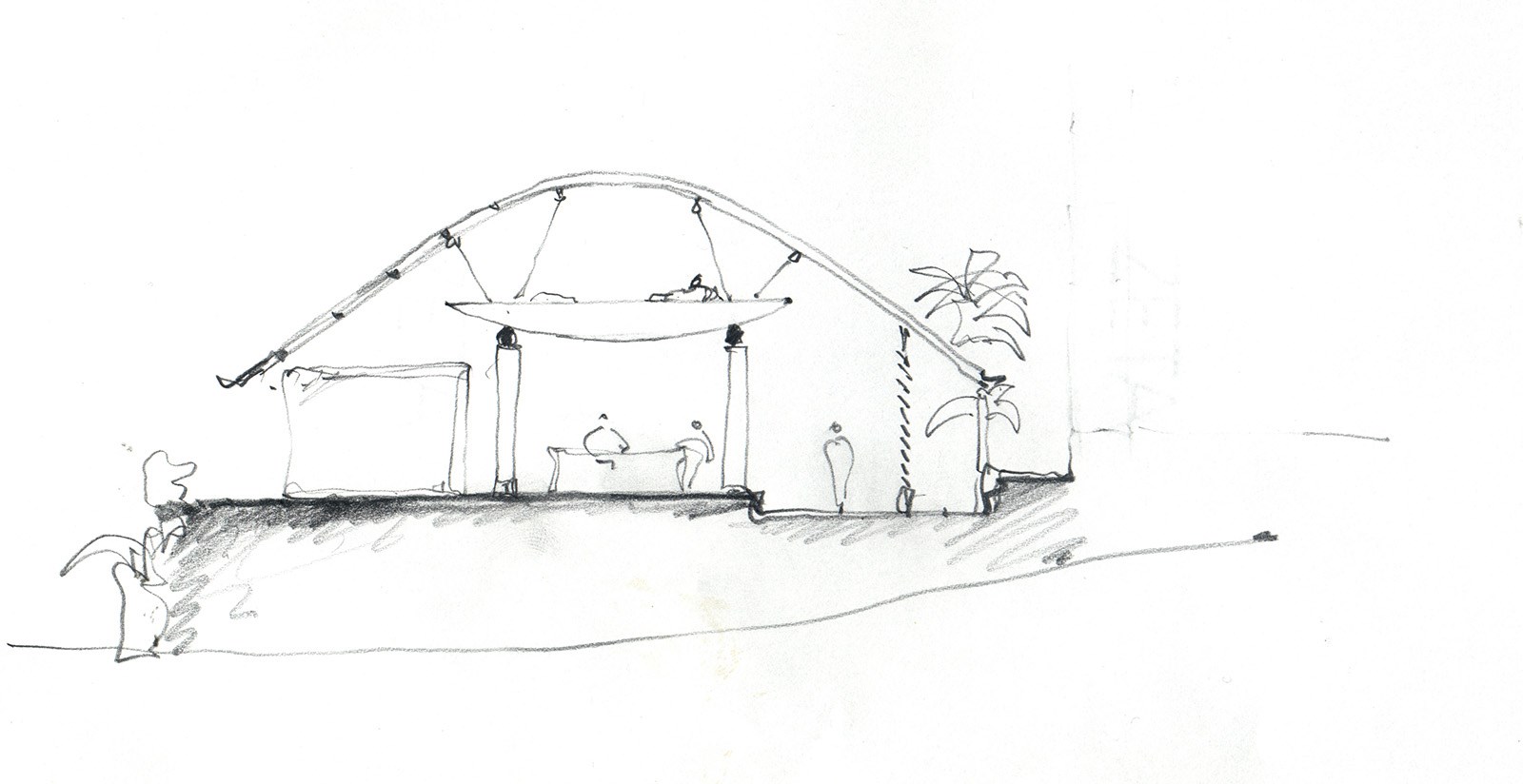
Heke Street house, sketch
Designed by David Mitchell and Julie Stout. This sketch, one of the first versions of the design, expresses the influence of Pacific housing styles.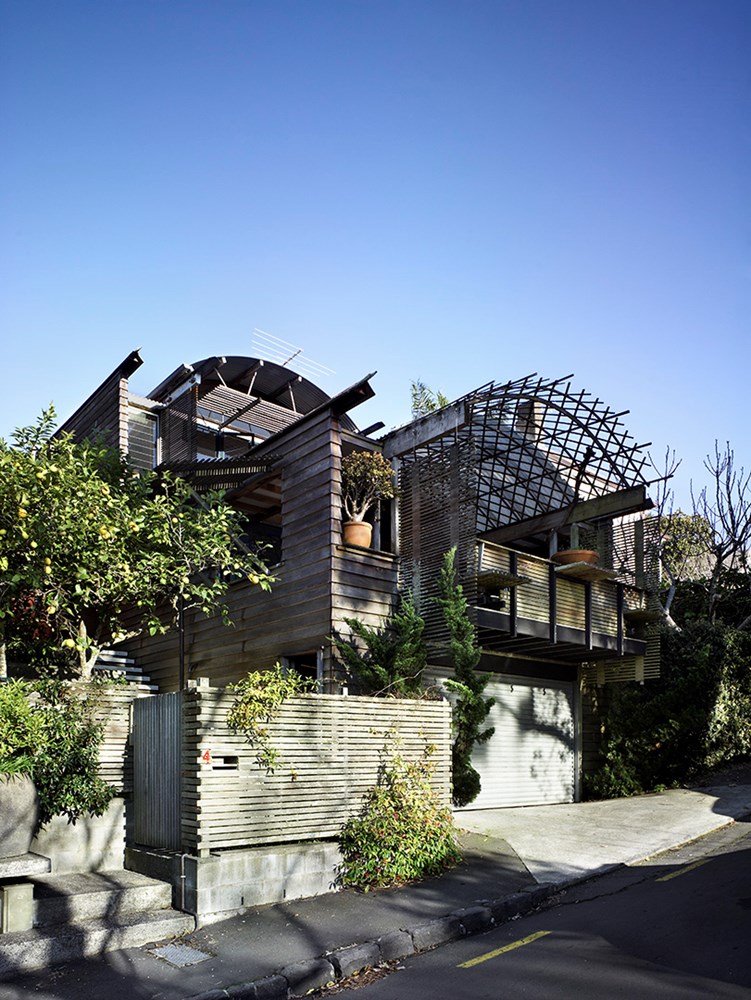
Heke House
Designed by Mitchell & Stout Architects (1990), this house on Heke Street, in Ponsonby, sits under a curving lattice that expresses the influence of Pacific housing styles.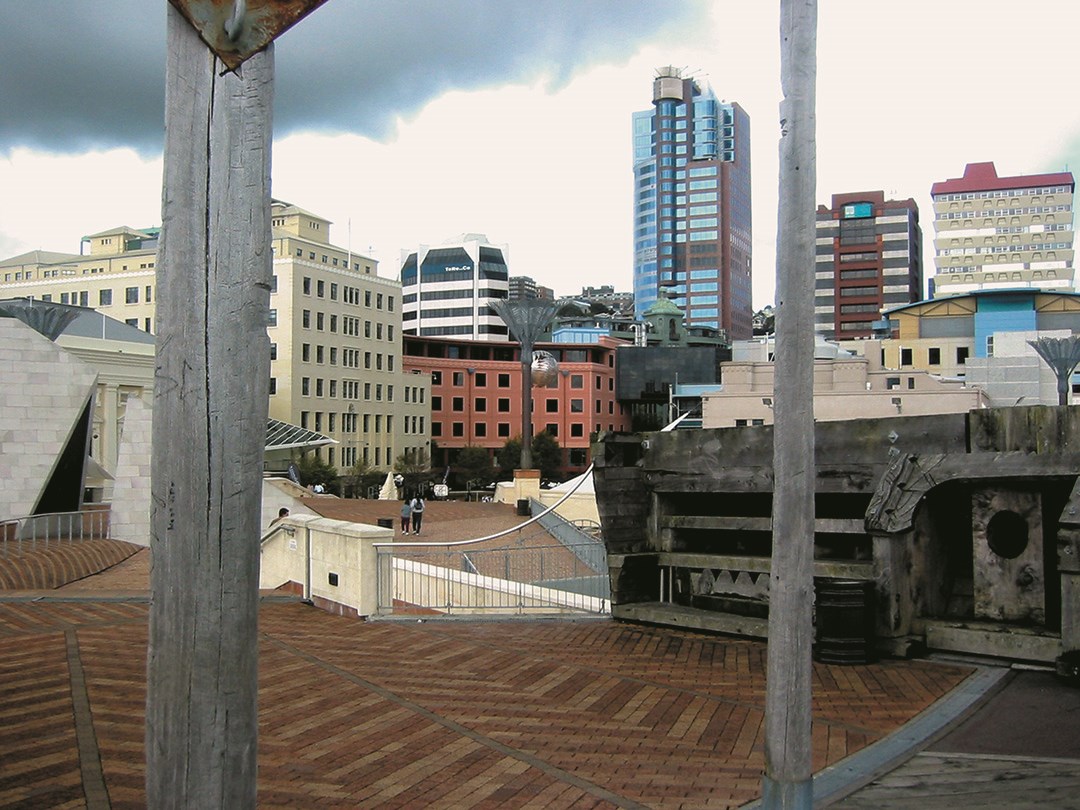
Civic Square, Wellington
View across Civic Square, Wellington to Te Aho a Māui, a split-pyramid sculpture designed by architect Rewi Thompson .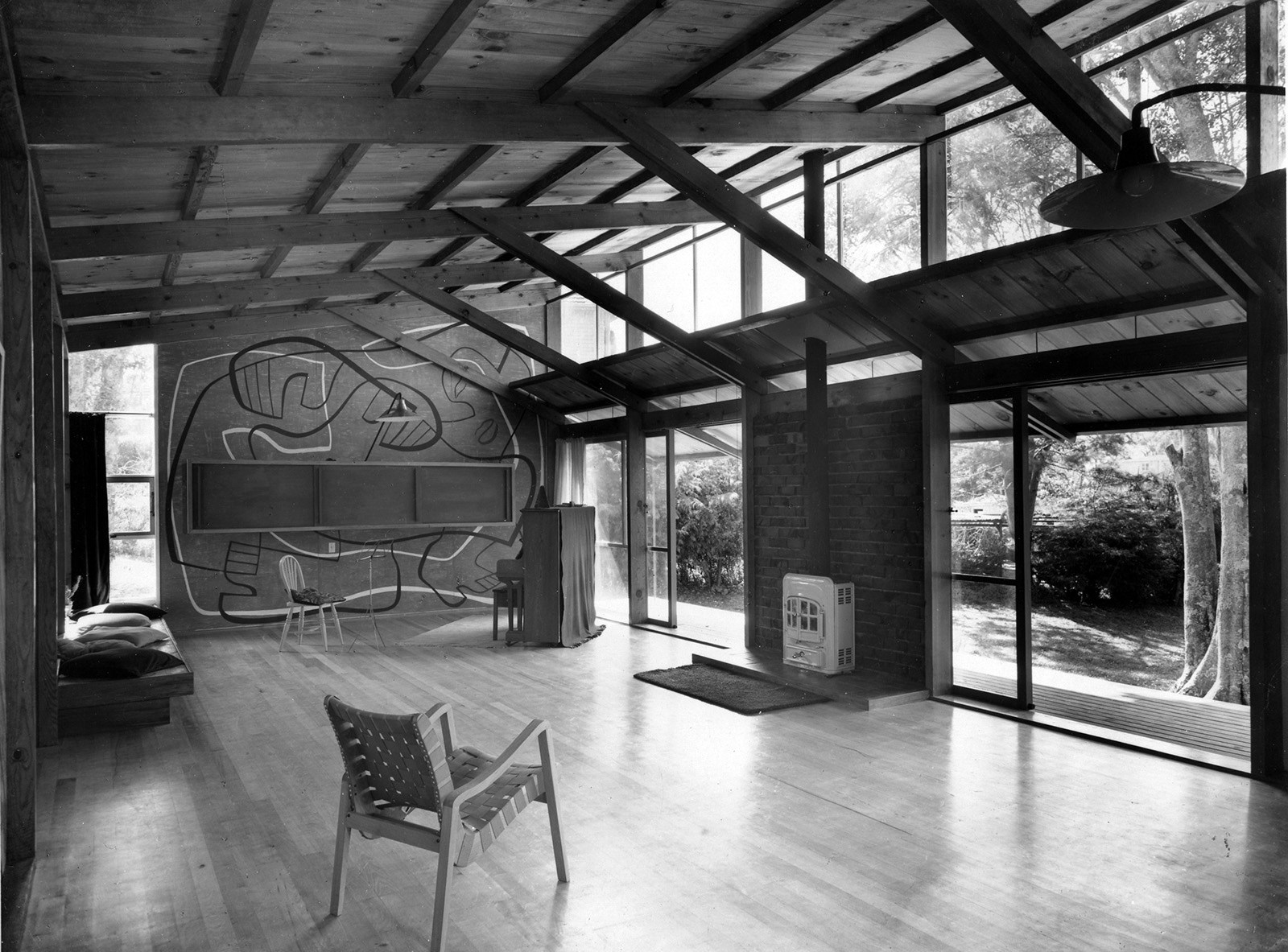
Felix and Hazel Millar house
In search of a ‘New Zealand’ architecture. Designed by Bruce Rotherham (1953). Photo by Sparrow Industrial Pictures (Penman Family Collection).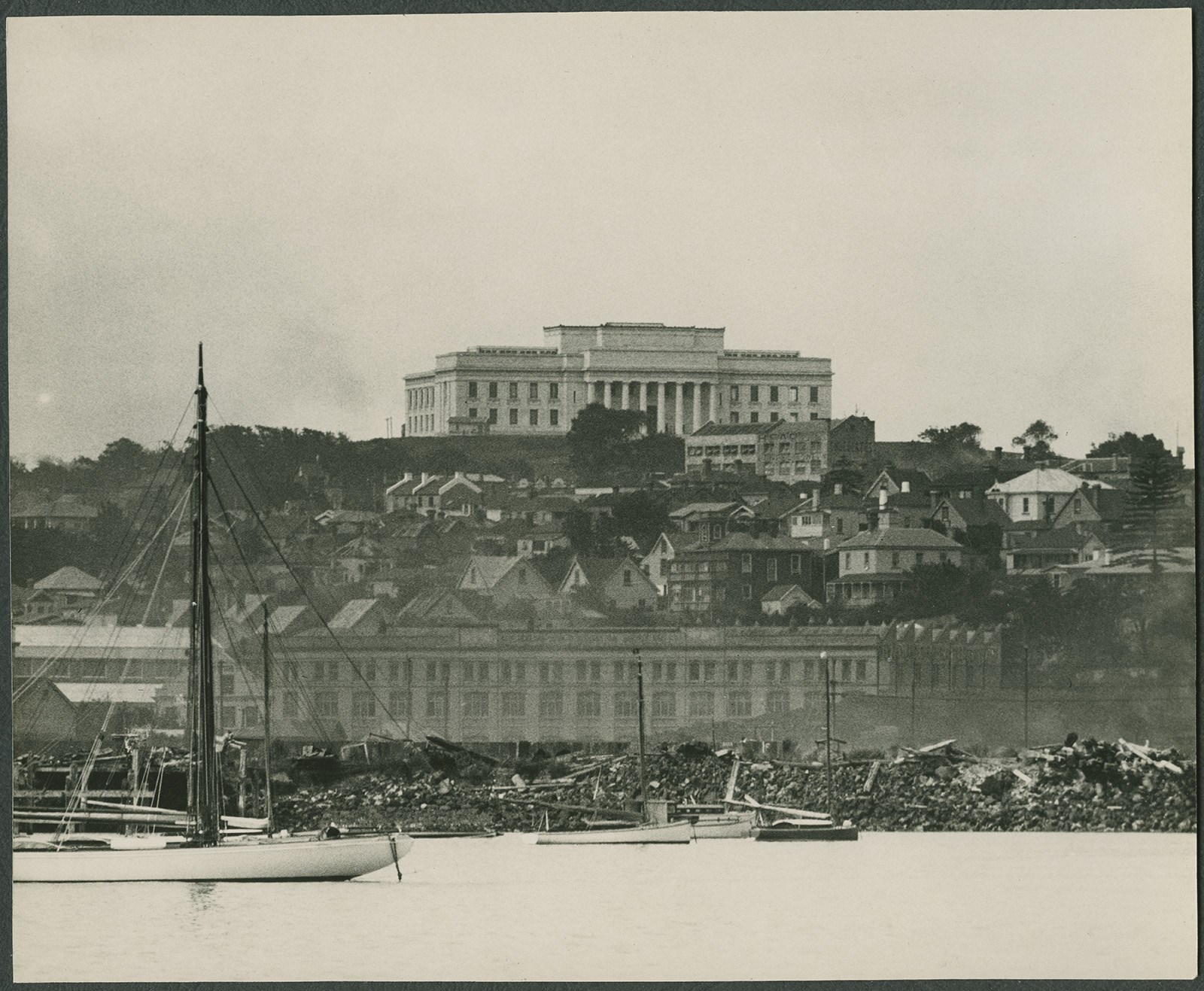
Auckland War Memorial Museum
Auckland War Memorial Museum, 1929, designed by Grierson, Aimer and Draffin, viewed from Mechanics Bay. Auckland War Memorial Museum–Tāmaki Paenga Hira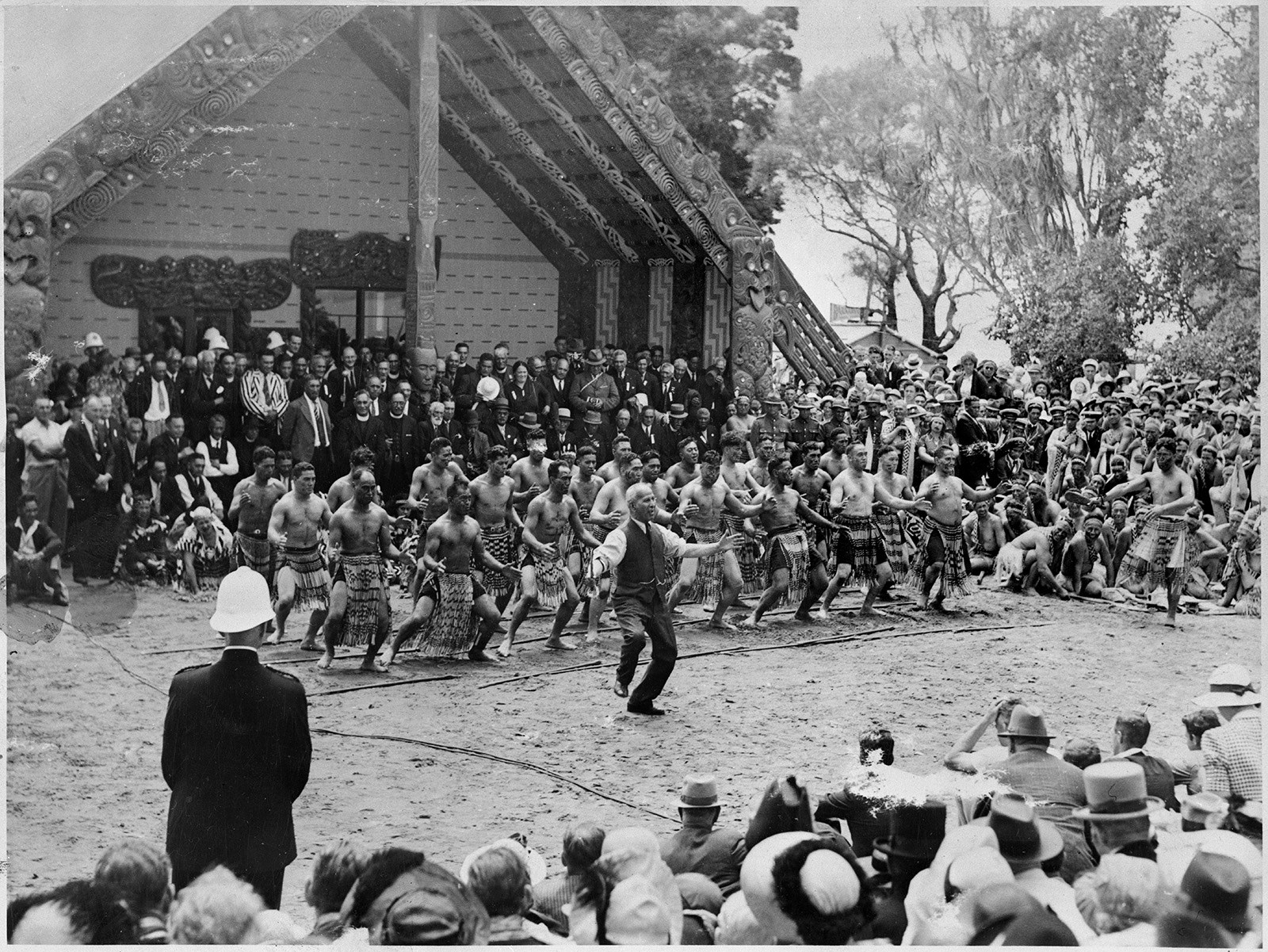
Sir Apirana Ngata, haka at Waitangi
Sir Apirana Ngata leading a haka in front of Waitangi meeting house at New Zealand’s centennial celebrations in 1940. This image appeared in the catalogue for ‘Last, Loneliest, Loveliest’, New Zealand’s inaugural exhibition at the Venice Architecture Biennale. Photo courtesy of the Alexander Turnbull Library, Wellington. Ref: MNZ-2746-1/2-F. Alexander Turnbull Library, Wellington, New Zealand.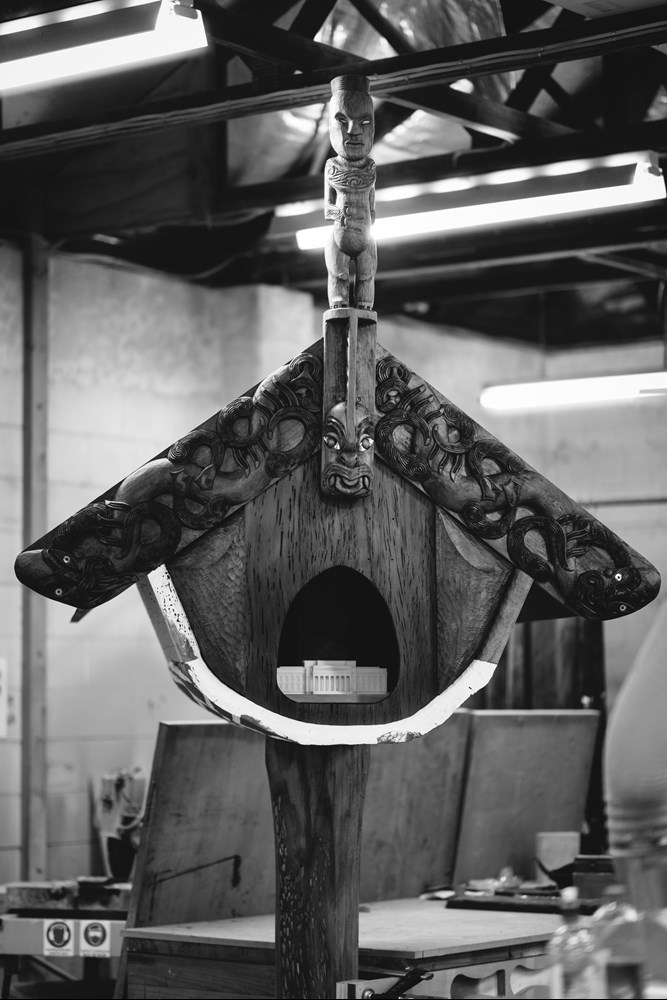
Ngā kaitiaki ō Hokianga
In 2014, the creative team for New Zealand’s inaugural national exhibition at the Venice Biennale commissioned Tristan Marler to carve a whatarangi that would serve as a focal point for the exhibition. The whatarangi, or storehouse, with a 3-D printed model of Auckland War Memorial Museum within, illustrates a reversal of the usual museum-taonga relationship. Photo by David St George.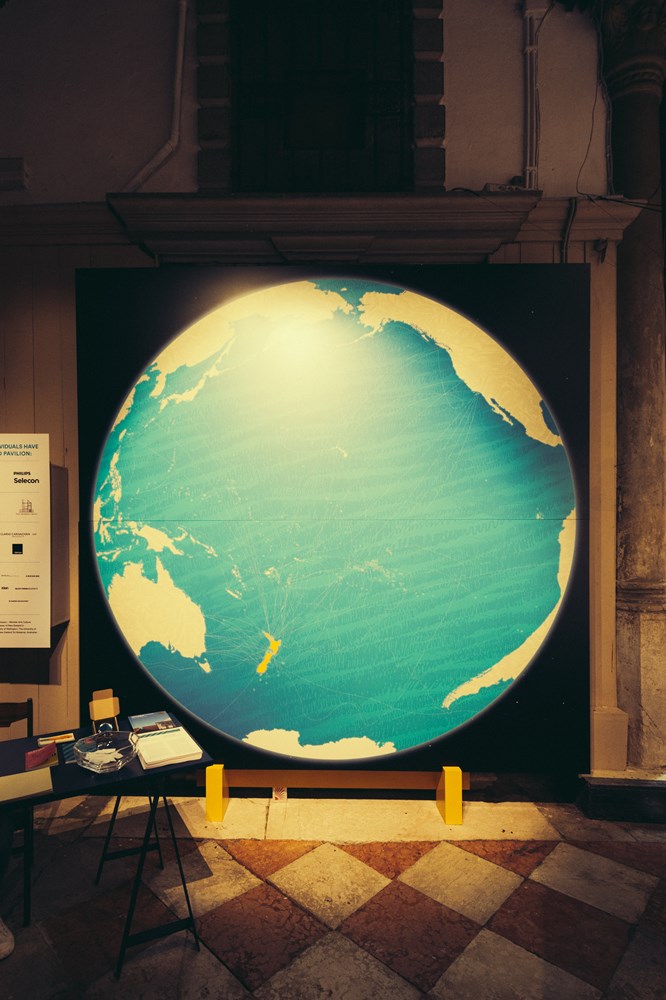
New Pacific migration
The New Zealand exhibition at the 2014 Venice Architecture Biennale featured a panel by Kim Meek depicting New Zealand near the centre along with Pacific migration routes.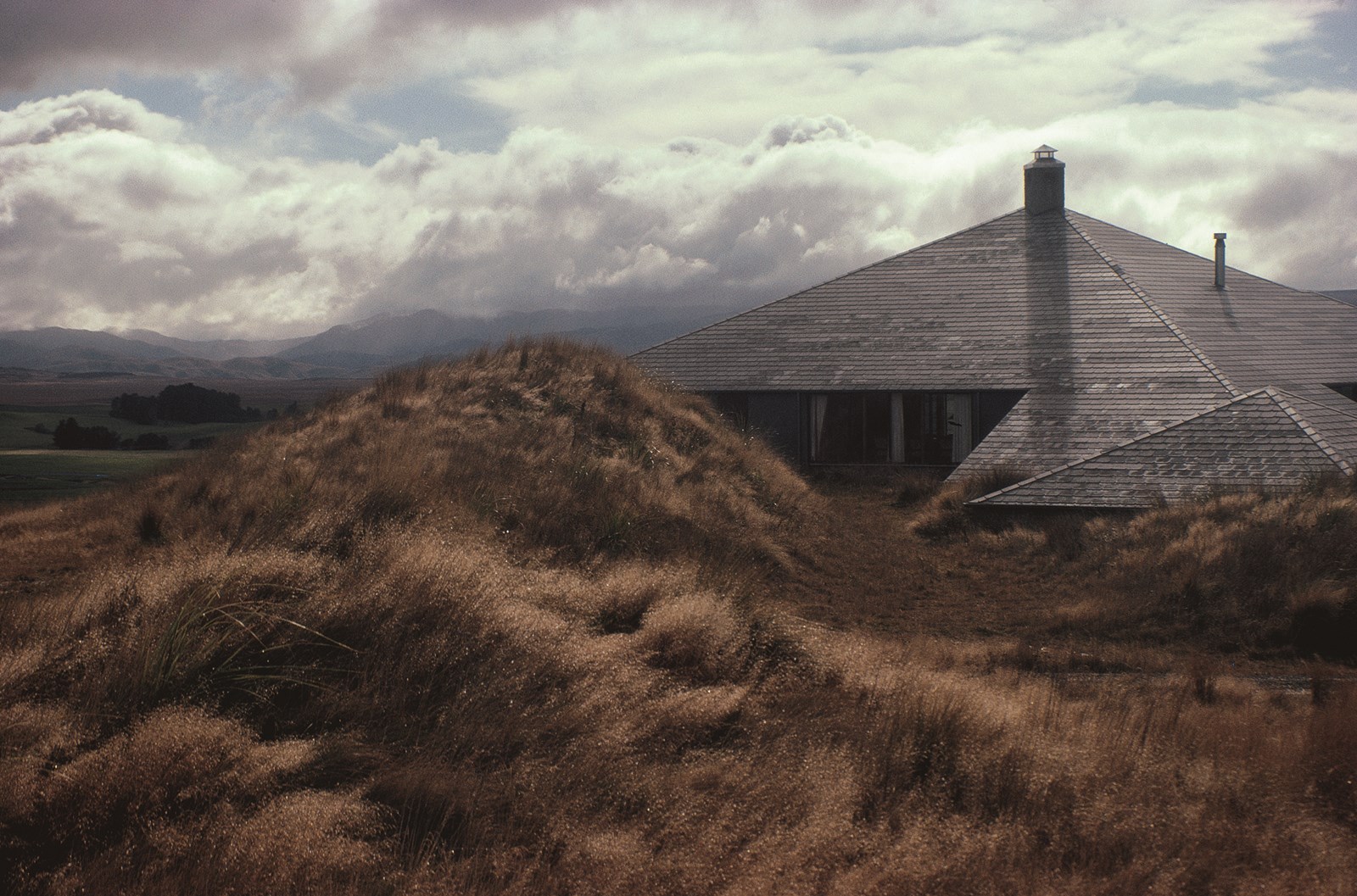
A house in the landscape
The Apatu House (1981), designed by John Scott, hunkers down in the tussock-surrounded landscape of Ngamatea in the Hawkes Bay.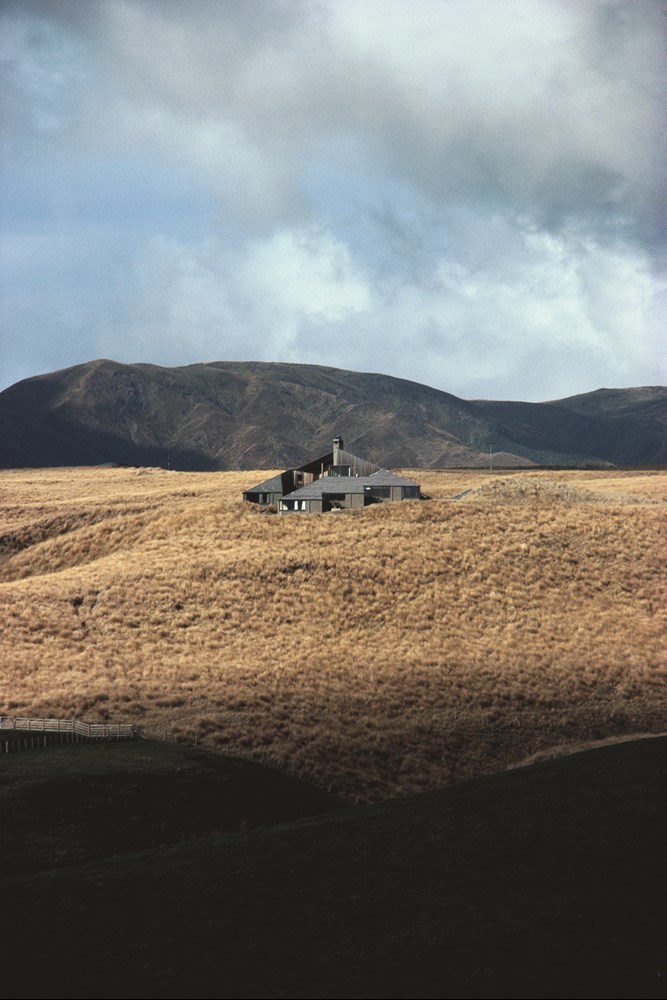
Apatu House
Another view of the Apatu House (1981), designed by John Scott.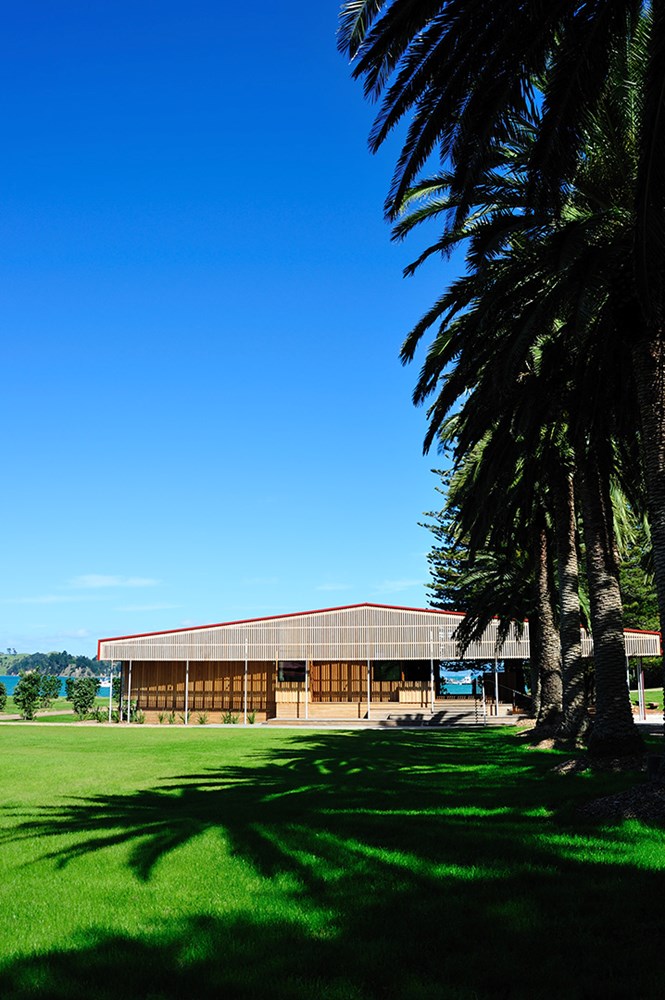
Rotoroa Island Visitor Centre
Hauraki Gulf, Auckland (2011). Designed by Pearson & Associates. The building takes the simple New Zealand vernacular of the protective shed as its model. Photo by Kathrin Simon.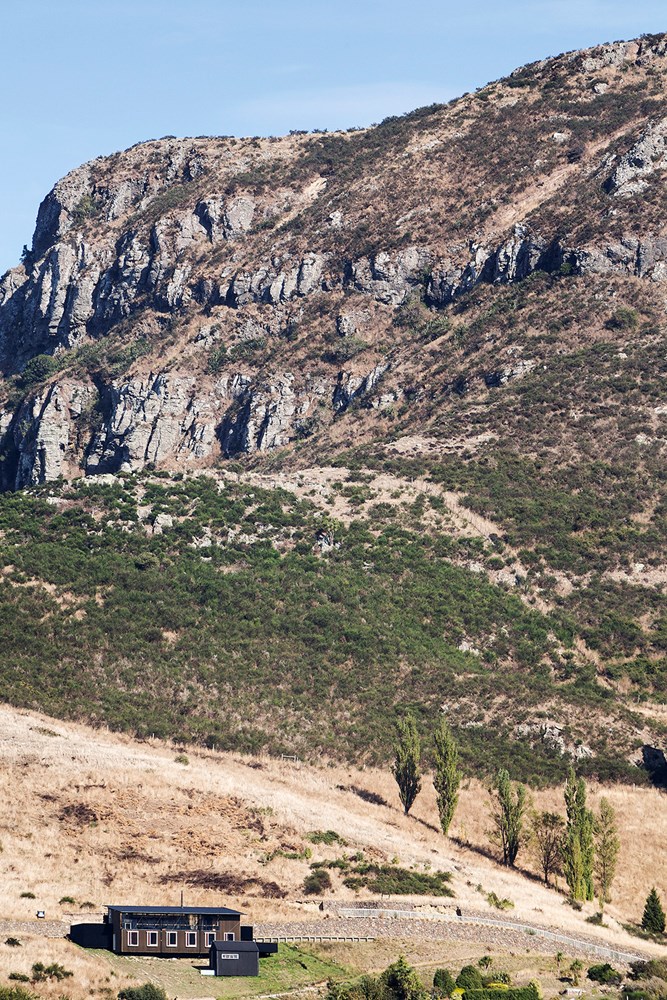
Lyttelton Studio Retreat
Bull O'Sullivan Architects (2015). Inaugural winner of the Sir Ian Athfield Award (for Housing). Photo by Patrick Reynolds.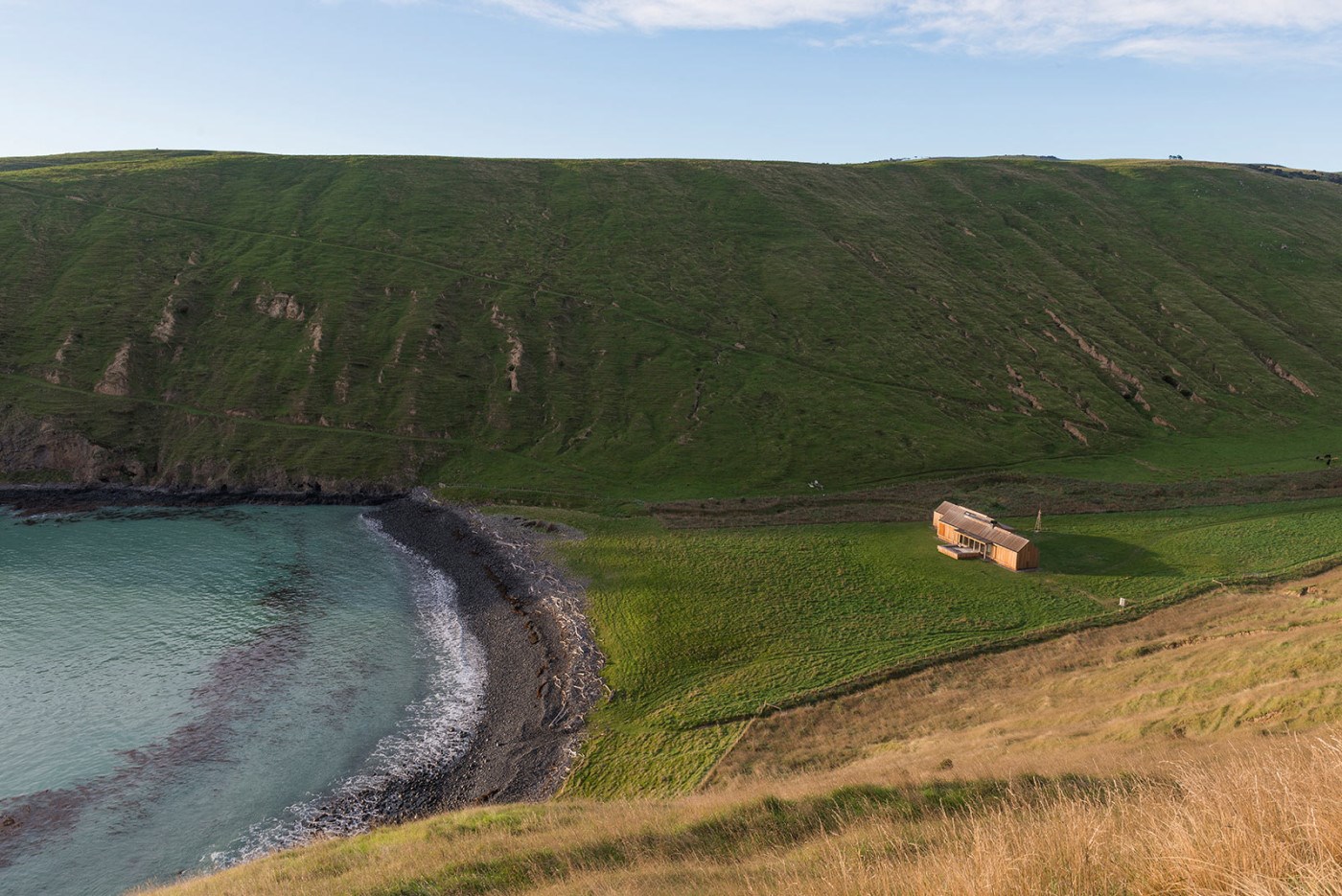
Scrubby Bay Farmhouse
A robust farmhouse set as the centrepiece of a remote, symmetrical and thundering beach. Photo by Simon Devitt.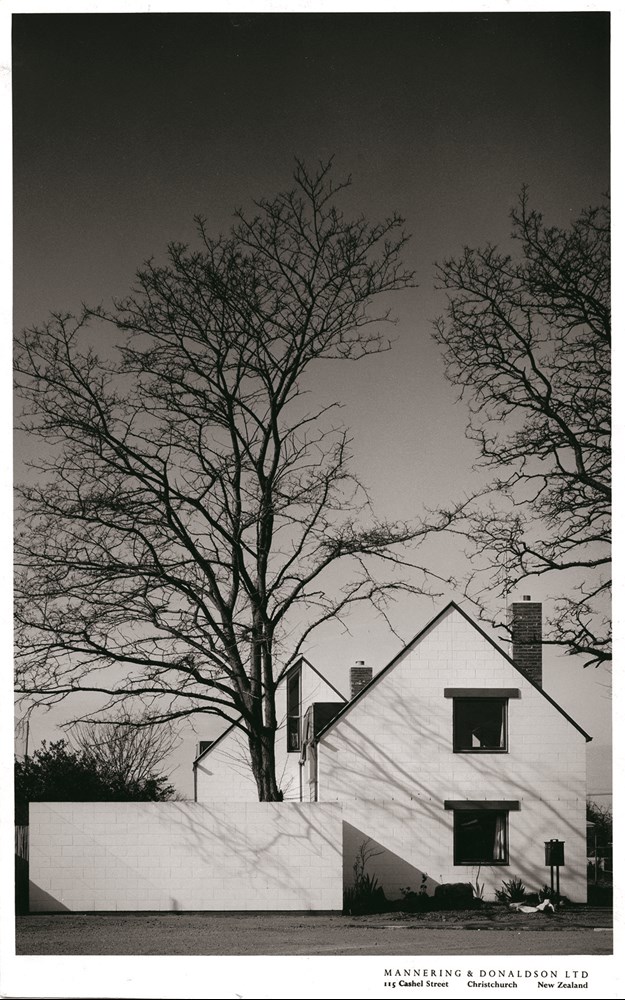
Broderick Flats
Designed by Warren and Mahoney in 1962 as three flats. Photo by Martin Barriball.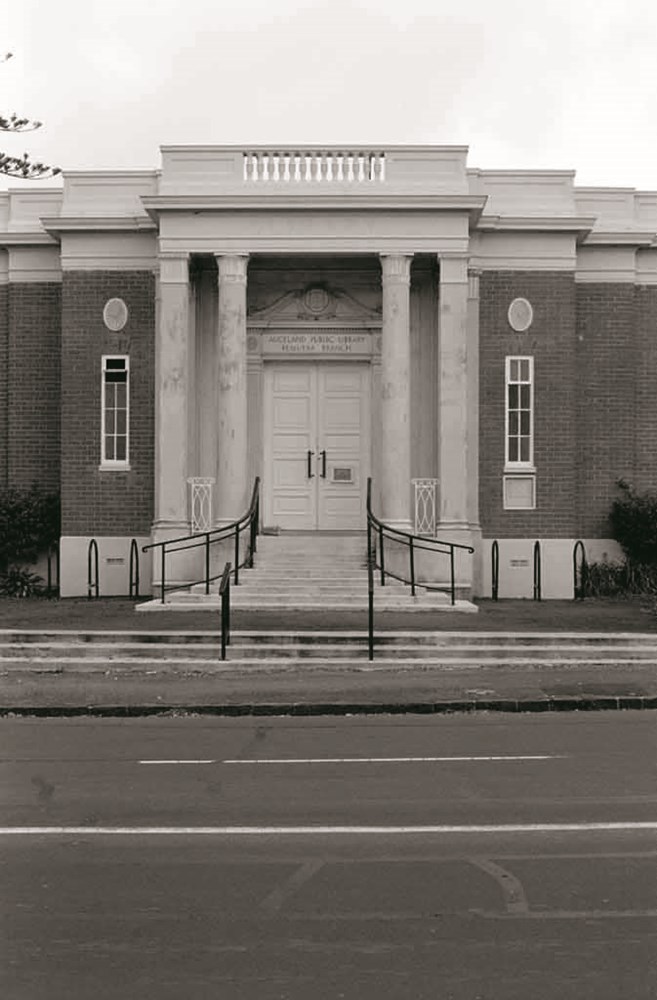
Remuera Library
Gummer and Ford. Shows Neo-Georgian and Arts and Crafts influences. Winner of a NZIA Gold Medal in 1928.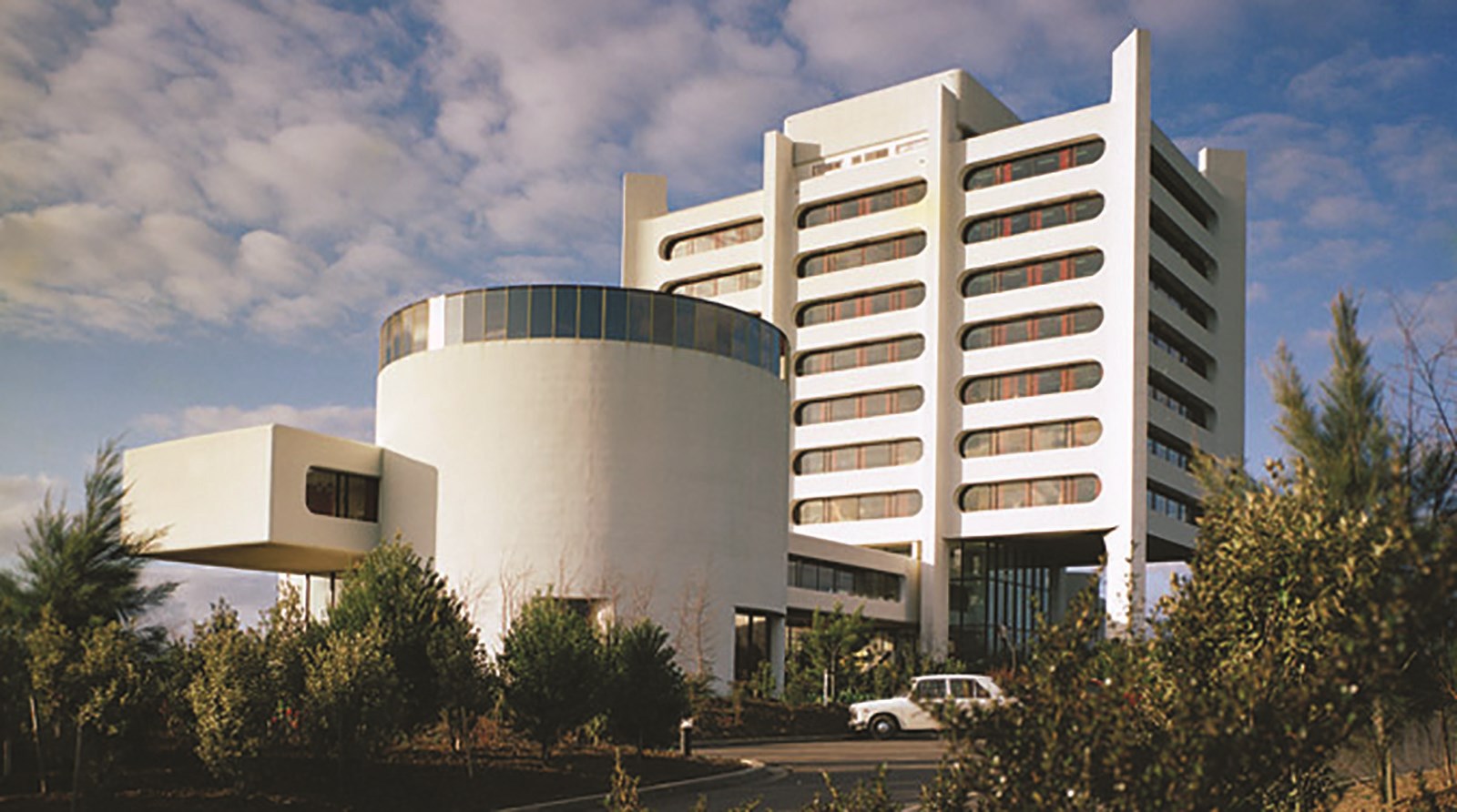
Manukau City Council Administration Building
Neville Price (1970). Built on pasture land, the building aimed to create a new identity for a new city.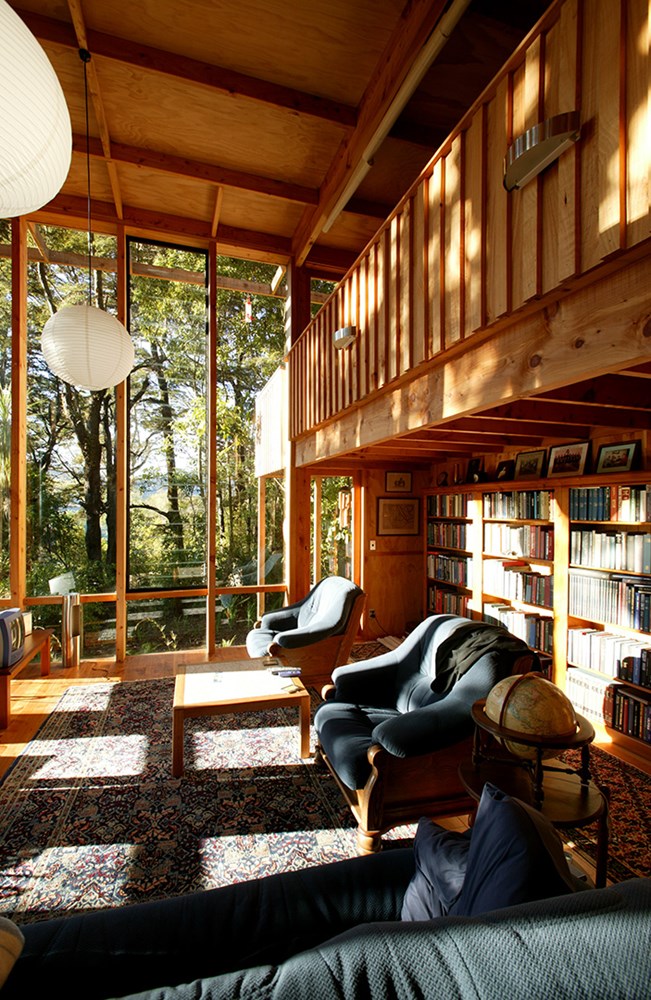
Samurai Box
Designed by Melling:Morse. A small, simple house set between the trees of a tiny suburban forest. The double-height box, for a martial arts exponent, is half opaque and half transparent. Photo by Simon Devitt.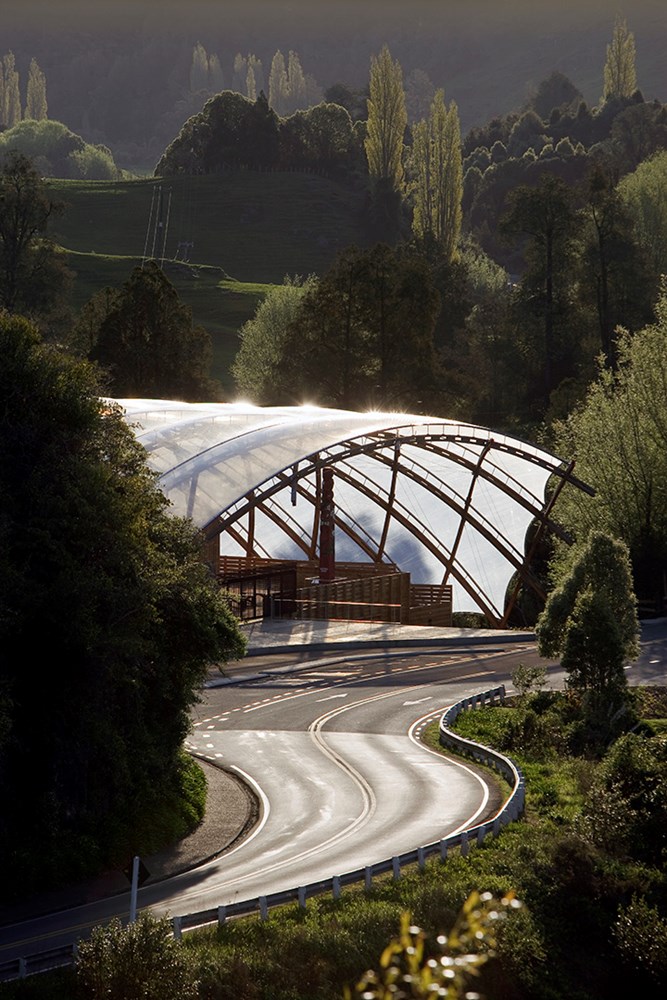
The Waitomo Caves Visitor Centre
“Architecture Workshop’s new Waitomo Glowworm Caves Visitors Centre joins the very shortlist of important New Zealand buildings to have been built in the bush.” – Andrew Barrie. Photo by Patrick Reynolds.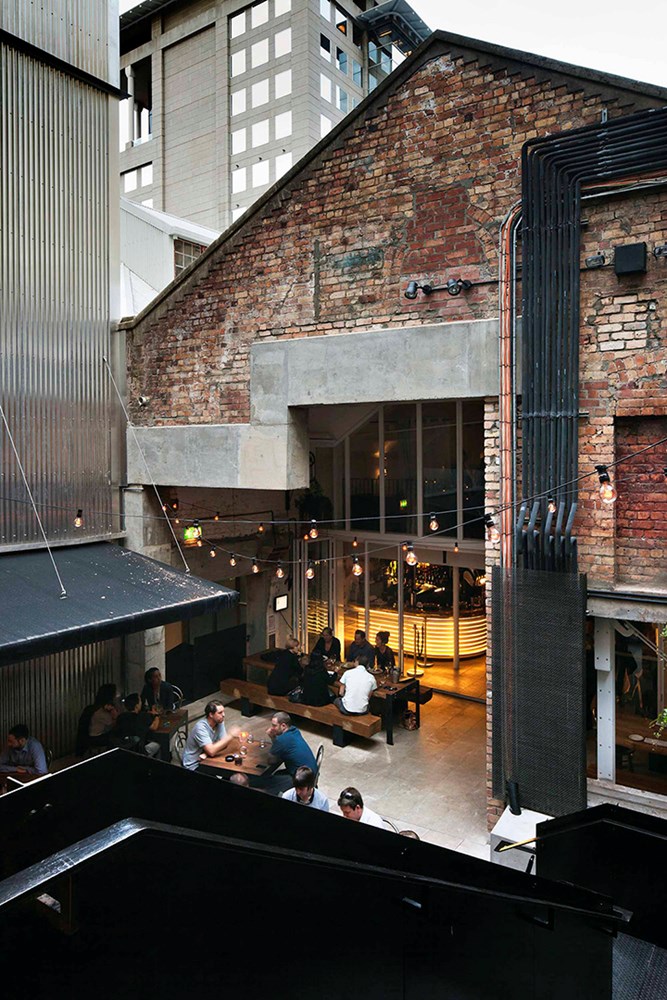
The Imperial Buildings
Fearon Hay Architects’ 2013 Architecture Medal winning refurbishment of two historic Queen Street buildings. Photo by Patrick Reynolds.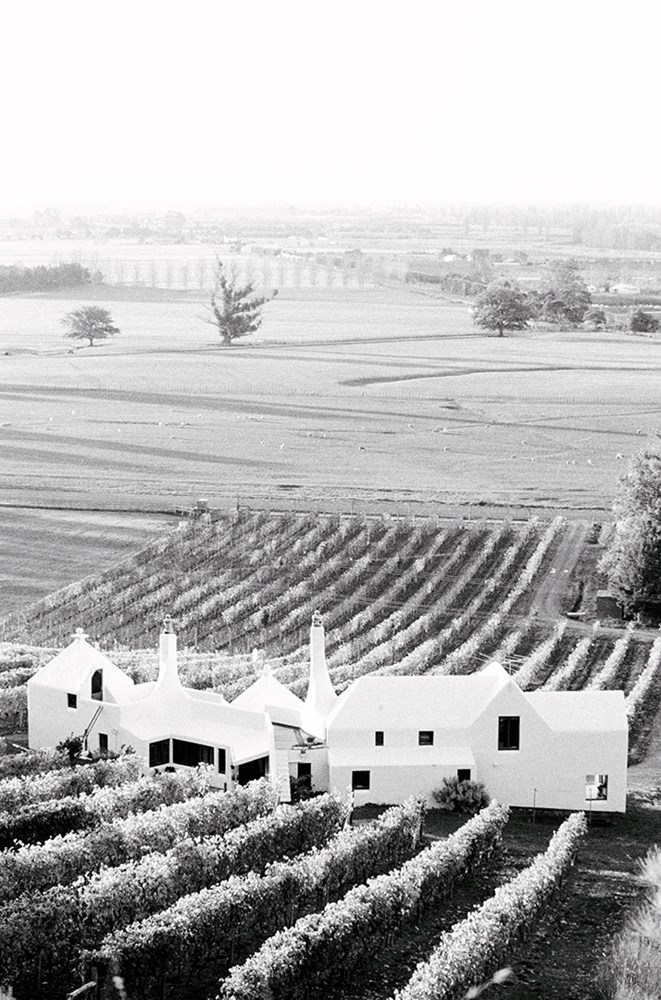
Coleraine House
Coleraine House, designed by Ian Athfield, at Te Mata Estate in Hawke's Bay. An Enduring Architecture Award winner in 2015.