
Fourteen architectural projects across the top of the South Island have been deemed the very best in Te Kāhui Whaihanga New Zealand Institute of Architects’ Regional Awards this year, including a backcountry hut, an urban parklet, and several coastal homes that make the most of their natural surrounds.
Most challenging for the jury this year was Brass Monkey Hut, a winner in the Small Project Architecture category designed by Jacobs Architects and situated high in the Southern Alps in the Lewis Pass Scenic Reserve as a Backcountry Trust hut. The jury settled for an off-site briefing instead of an eight-hour tramp, but were struck by the design’s response to the extreme alpine environment and the dedication of the volunteers and project team in its construction.
The Queen Street Parklet by William Samuels was a winner in the Public Architecture category, designed as part of the Streets for People programme, where councils across Aotearoa trialled streetscape changes to enable people-friendly places and neighbourhoods. The jury praised it as a creative response to a car-dominated area and support for more sustainable urban living.
The Housing category was also particularly strong in the Nelson & Marlborough region this year, with the judges awarding five projects spanning from Waipapa Bay near Kaikōura to Tata Beach in Golden Bay.
"Noticeable this year was the high percentage of small projects entered. Working with modest budgets, much of the success of these projects was due to the architects' deep understanding of the client's brief, with an underlying focus on quality of space rather than sheer volume. Also evident this year was the skill of the architects to distill the key characteristics of their project sites and wider context, using these to drive their designs in a way that was clearly seen and appreciated in the completed buildings,” says jury convenor and architect Patrick Avery of Untitled Works. “In terms of moving towards more sustainable building practices, evidence of this varied significantly across the projects. One noticeable trend was the intelligent use of engineered timber elements and building systems."
Avery was joined on the jury by Virginia Fay (Studio Virginia Fay), Kevin Lux (Tennent Brown Architects) and lay juror Josephine Cachemaille.
The winners received their awards at an event at Suter Art Gallery in Nelson on 8 May.
Full list of 2026 Nelson & Marlborough Regional Architecture Awards winners by category:
Commercial Architecture
• Tinline Development by Irving Smith Architects (Nelson)
• Wakatu Quay Restaurant by Warren and Mahoney (Kaikōura)
Education
• Tāwhaki Nui-a-Hema / Motueka High School Maths and Horticulture Block by Arthouse Architects and Sheppard & Rout Architects (Motueka)
Housing
• Flow House by JTB Architects (Nelson)*
• Ngaio Bay House by Monk Mackenzie (Kaiteriteri)
• Oak and Stone by Redbox Architects and Lume Design in association (Kaiteriteri)
• Tasman Gables by Stufkens + Chambers Architects (Nelson)
• Tata Beach House by Chaplin Crooks Architects (Golden Bay)
Housing – Alterations and Additions
• Black Millar House by Three Sixty Architecture (Waipapa Bay, Canterbury)*
• Sharlands House by Fineline Architecture (Nelson)
Public Architecture
• Port Tarakohe Management and Amenities Building by JTB Architects (Tākaka)
• Queen Street Parklet by William Samuels (Richmond)
Small Project Architecture
• Brass Monkey Hut by Jacobs Architects (Lewis Pass Scenic Reserve)
• Bunk, Bath & Beyond by Shaw & Shaw Architects (Renwick)*
Note: * denotes Resene Colour Award winner.
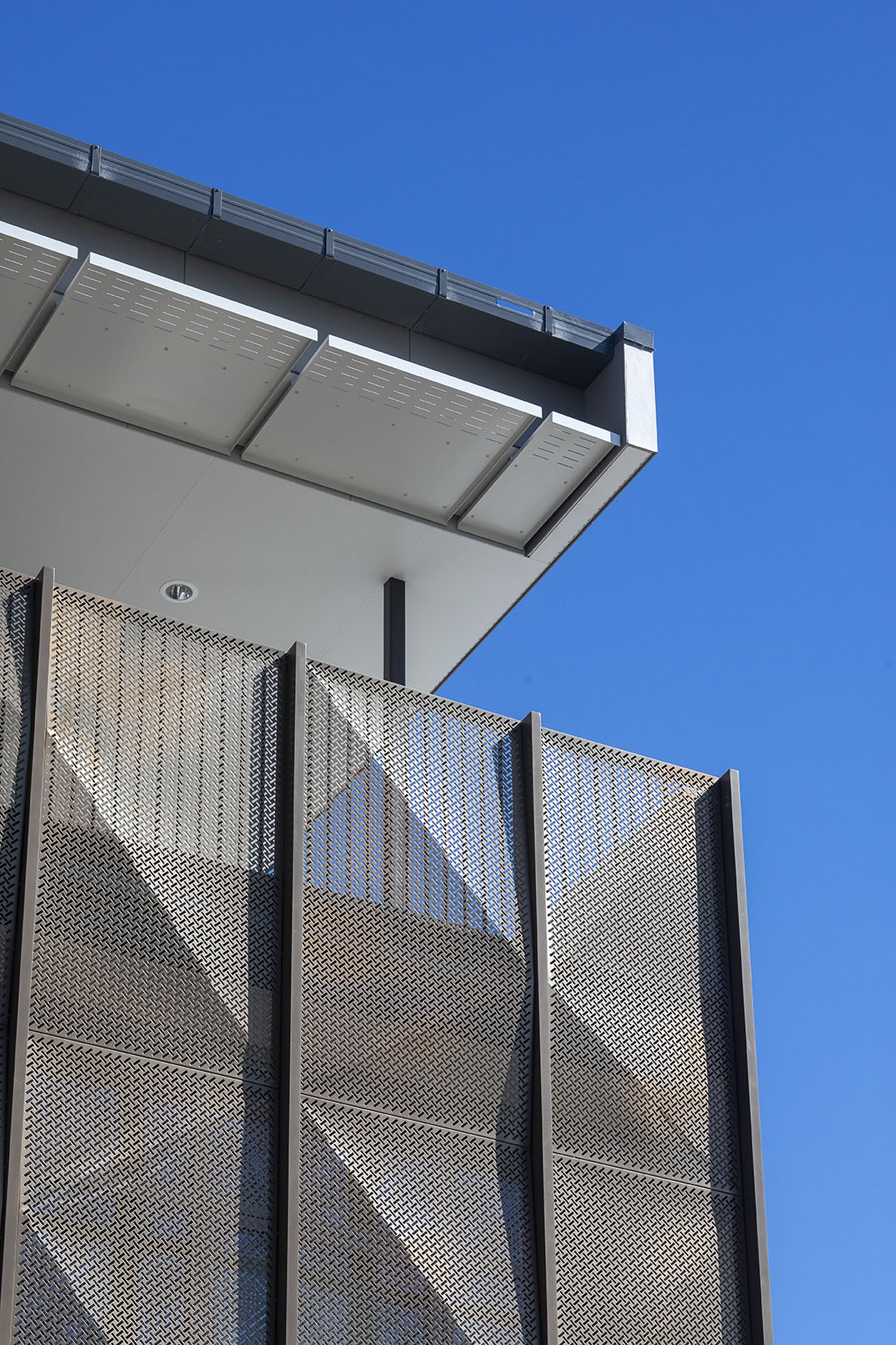
Tinline Development
Irving Smith Architects. Photo by Patrick Reynolds.
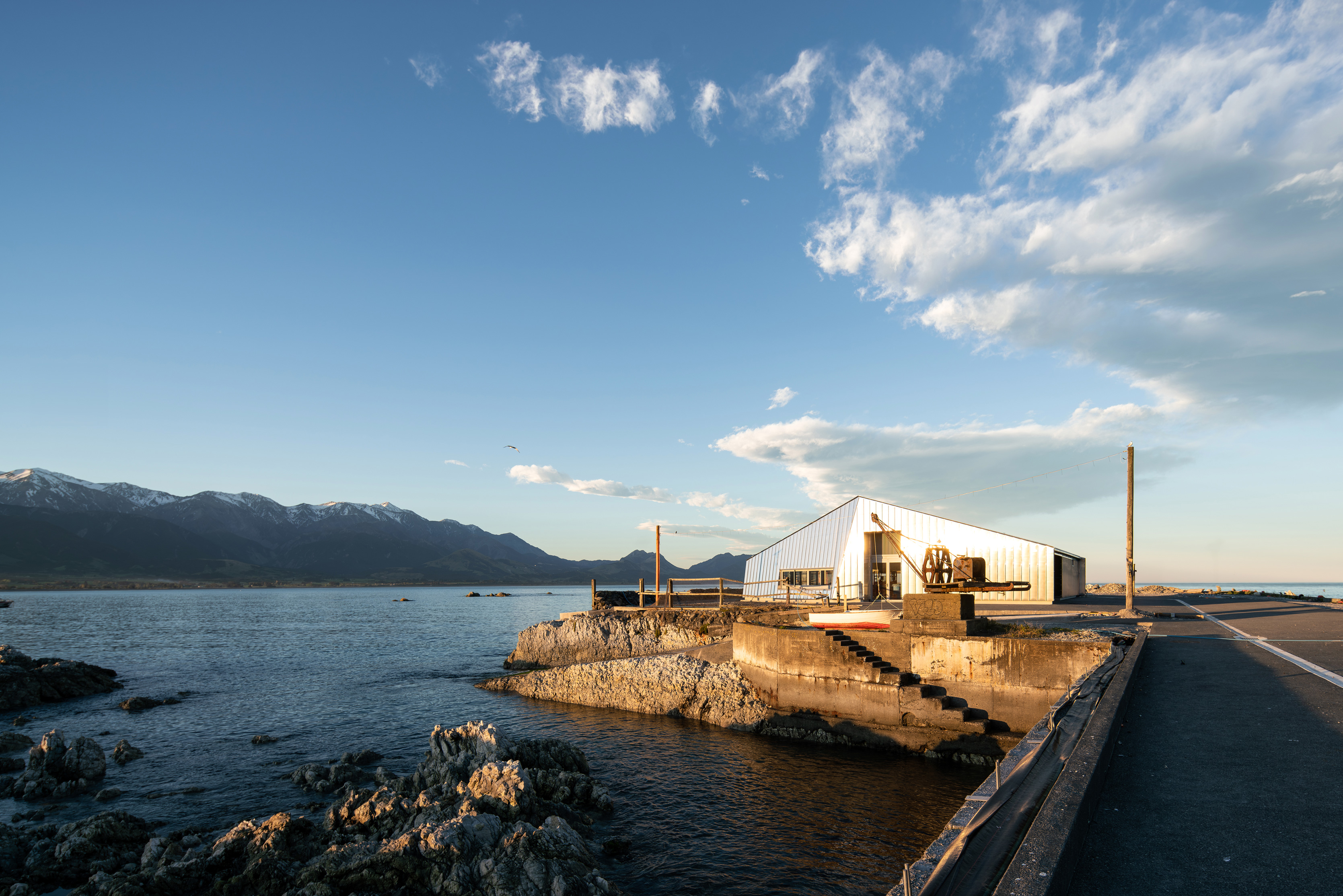
Wakatu Quay Restaurant
Warren and Mahoney. Photo by Ian Hutchinson.

Tāwhaki Nui-a-Hema / Motueka High School Maths and Horticulture Block
Arthouse Architects and Sheppard & Rout Architects. Photo by Jason Mann.
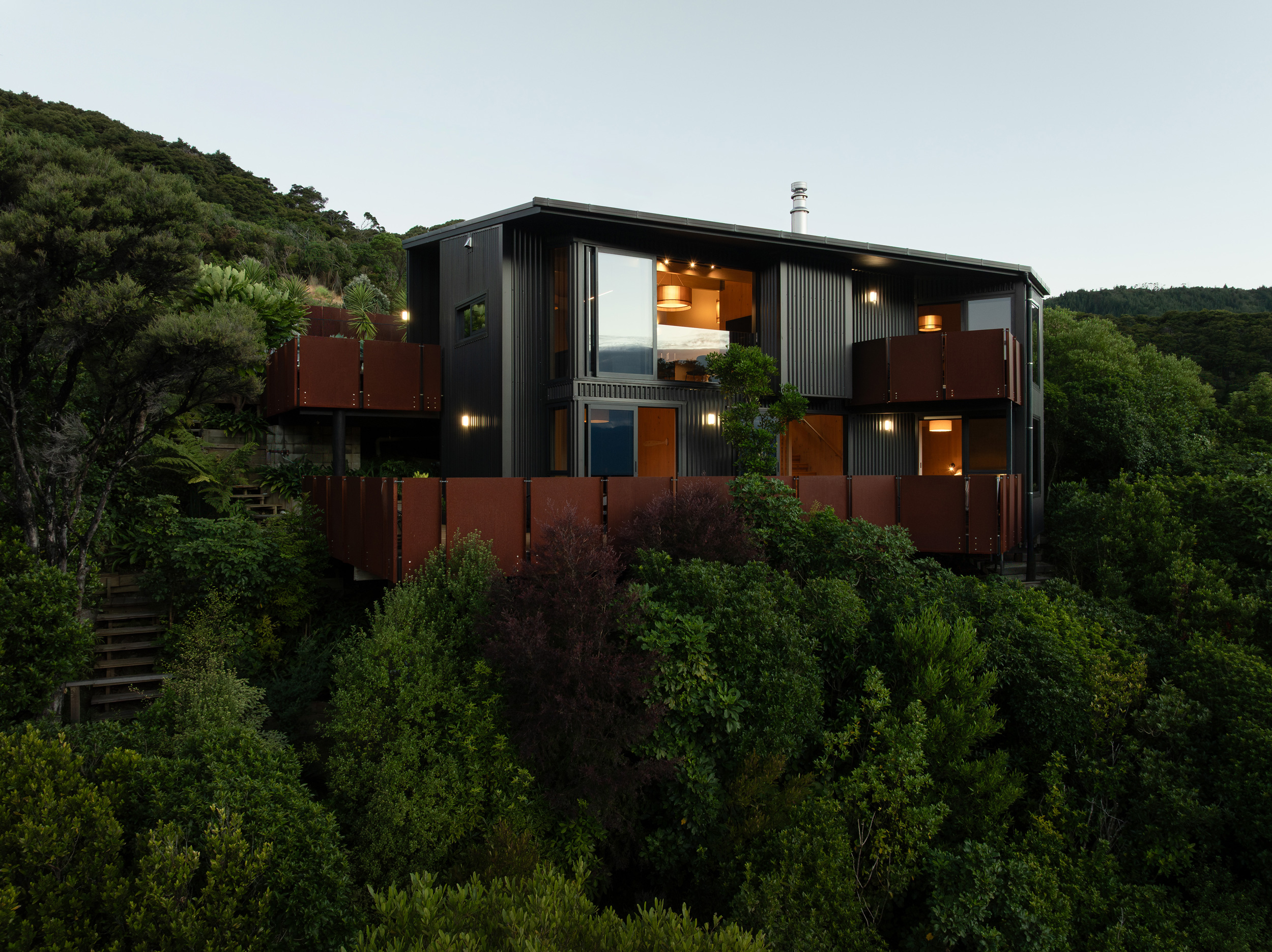
Tata Beach House
Chaplin Crooks Architects. Photo by George Guille.
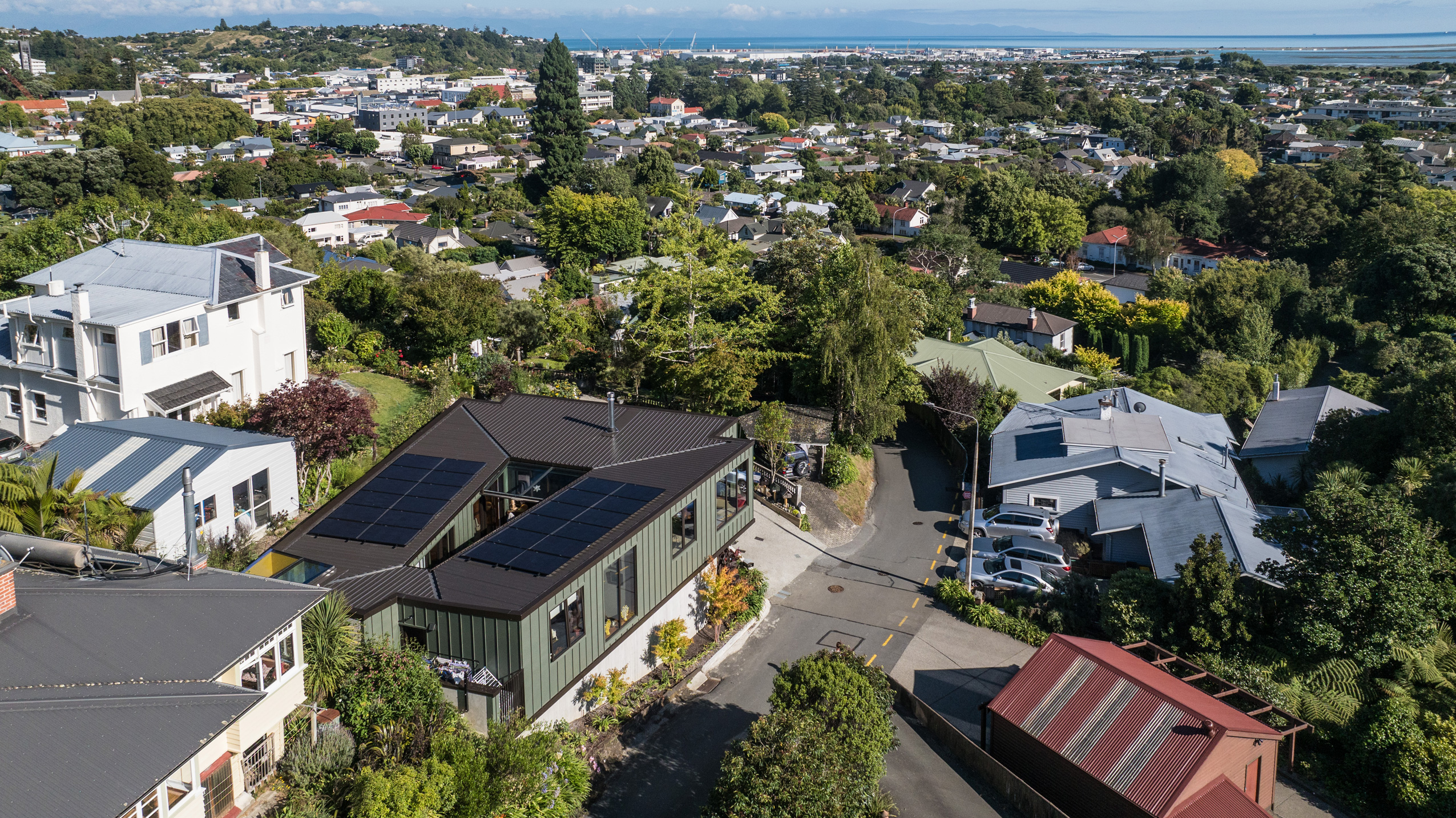
Flow House
JTB Architects. Photo by Steve Hussey.
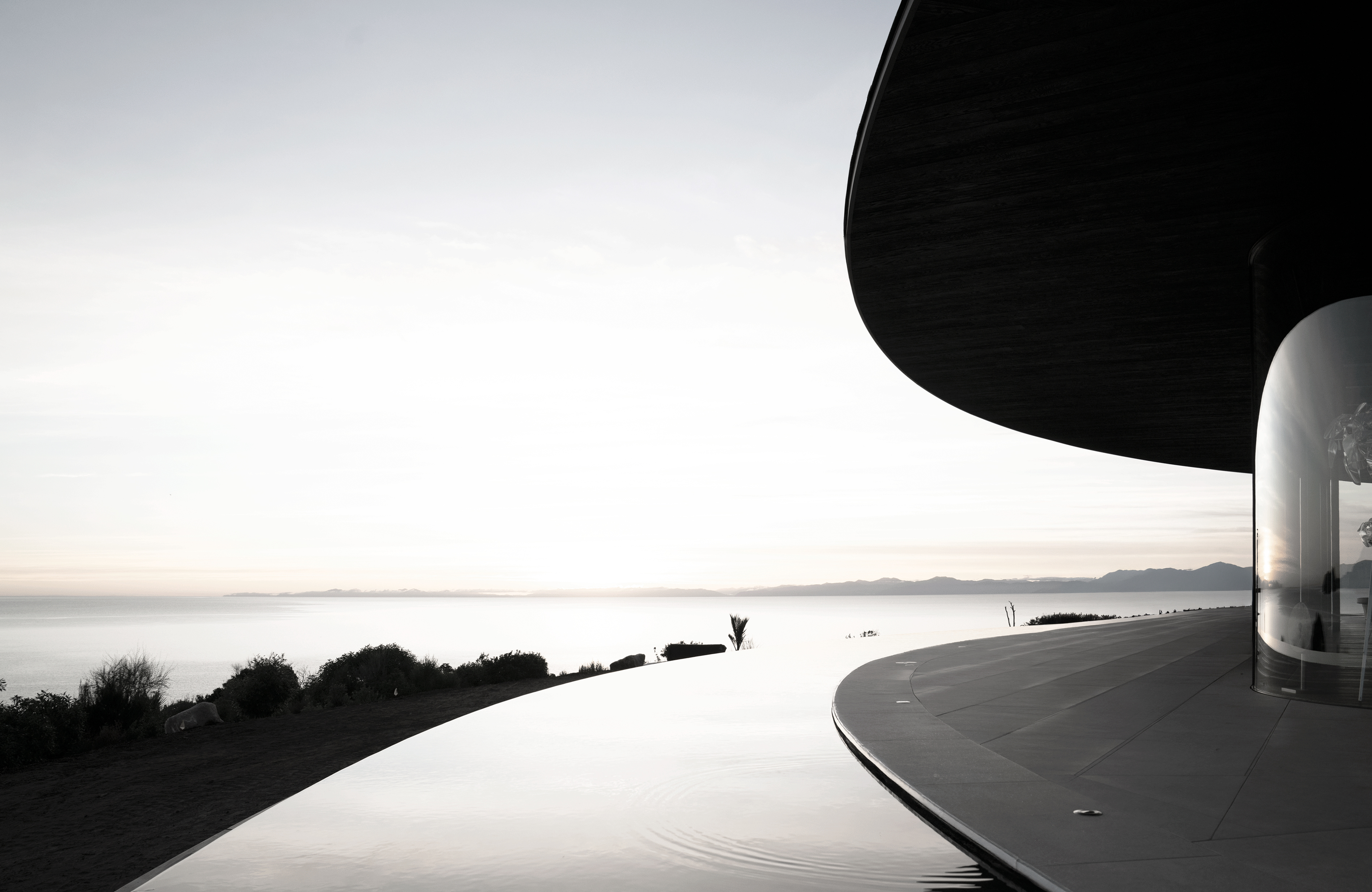
Ngaio Bay House
Monk Mackenzie. Photo by Hamish Monk.
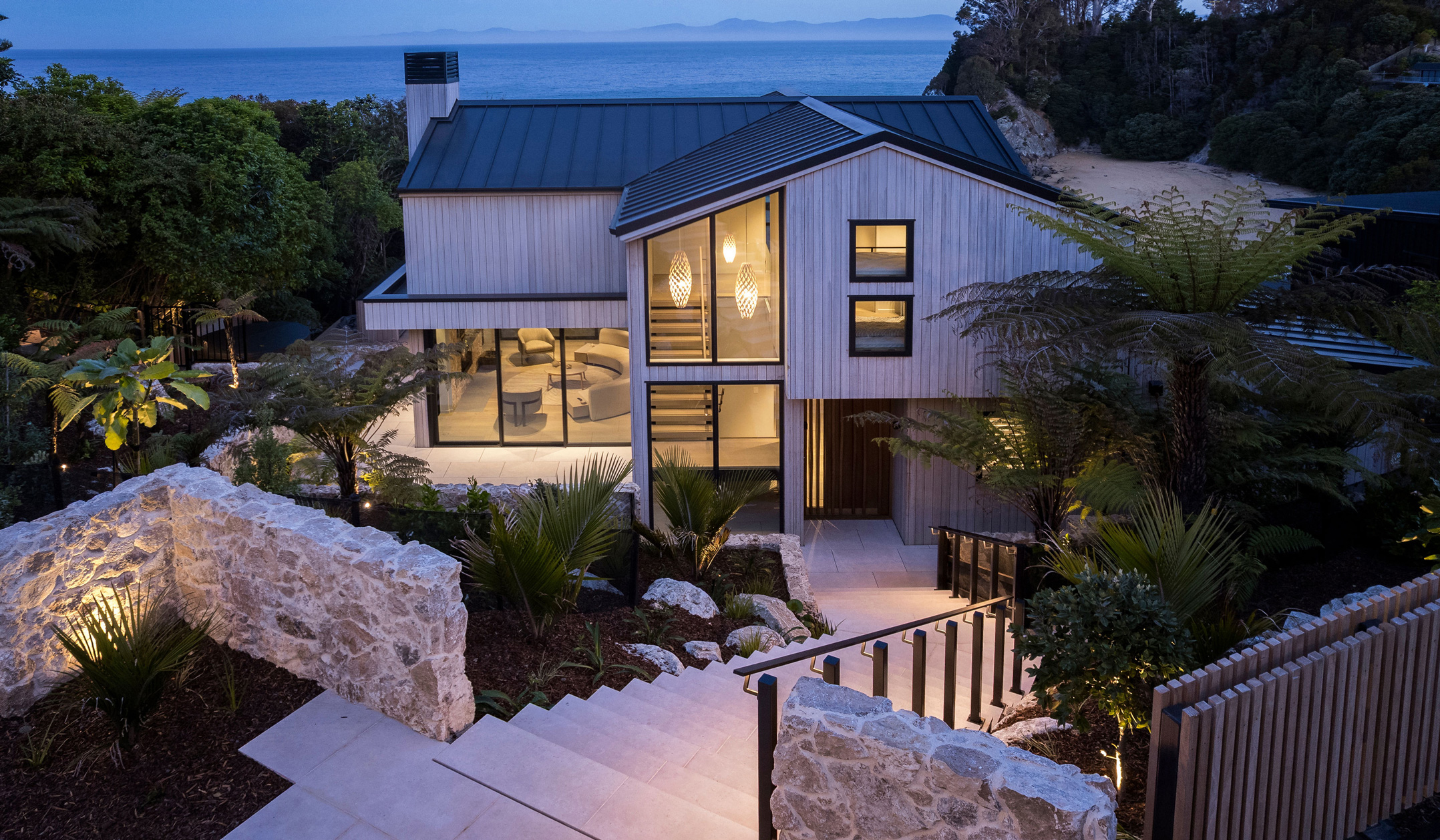
Oak and Stone
Redbox Architects and Lume Design in association. Photo by Virginia Woolf.
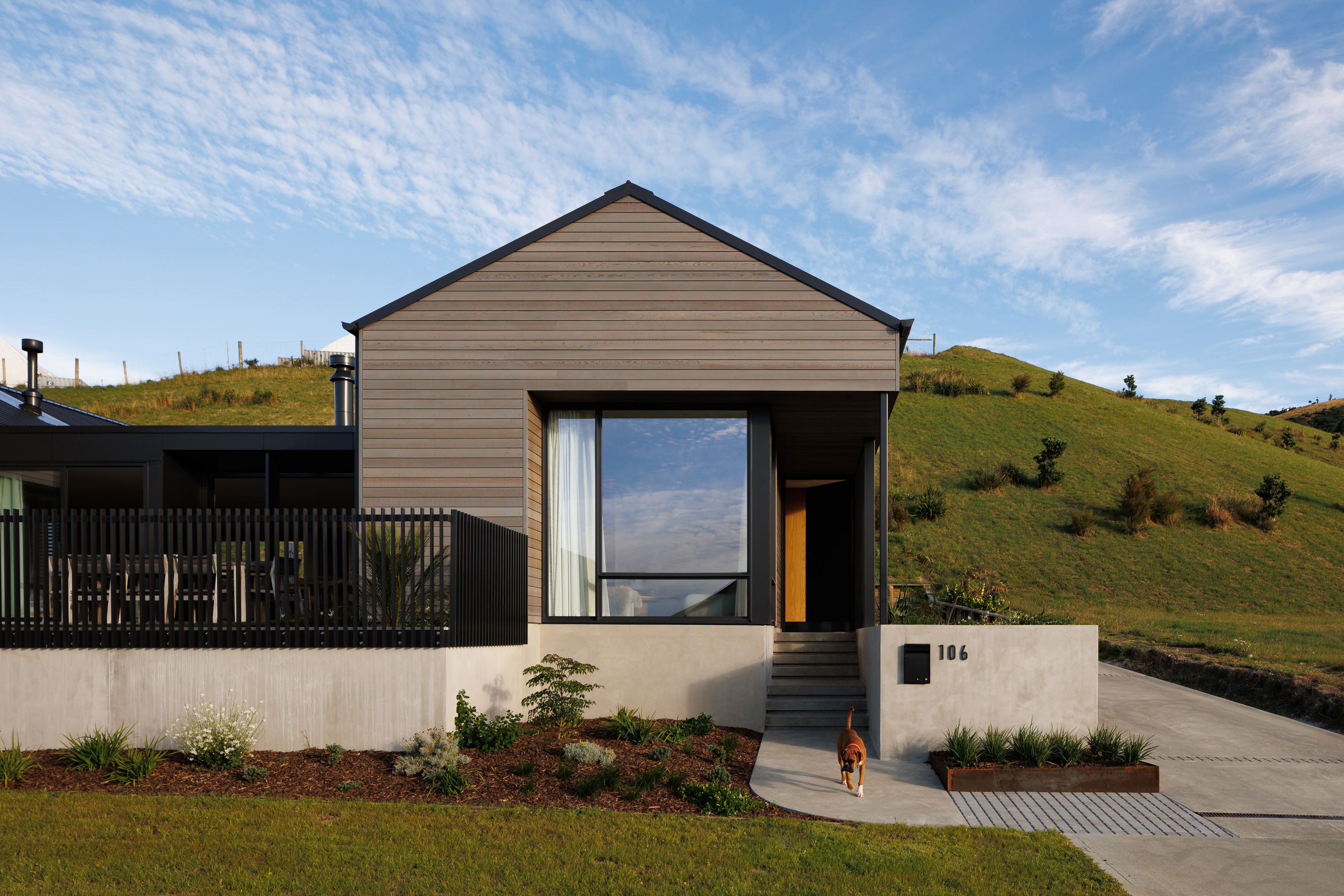
Tasman Gables
Stufkens + Chambers Architects. Photo by George Guille.
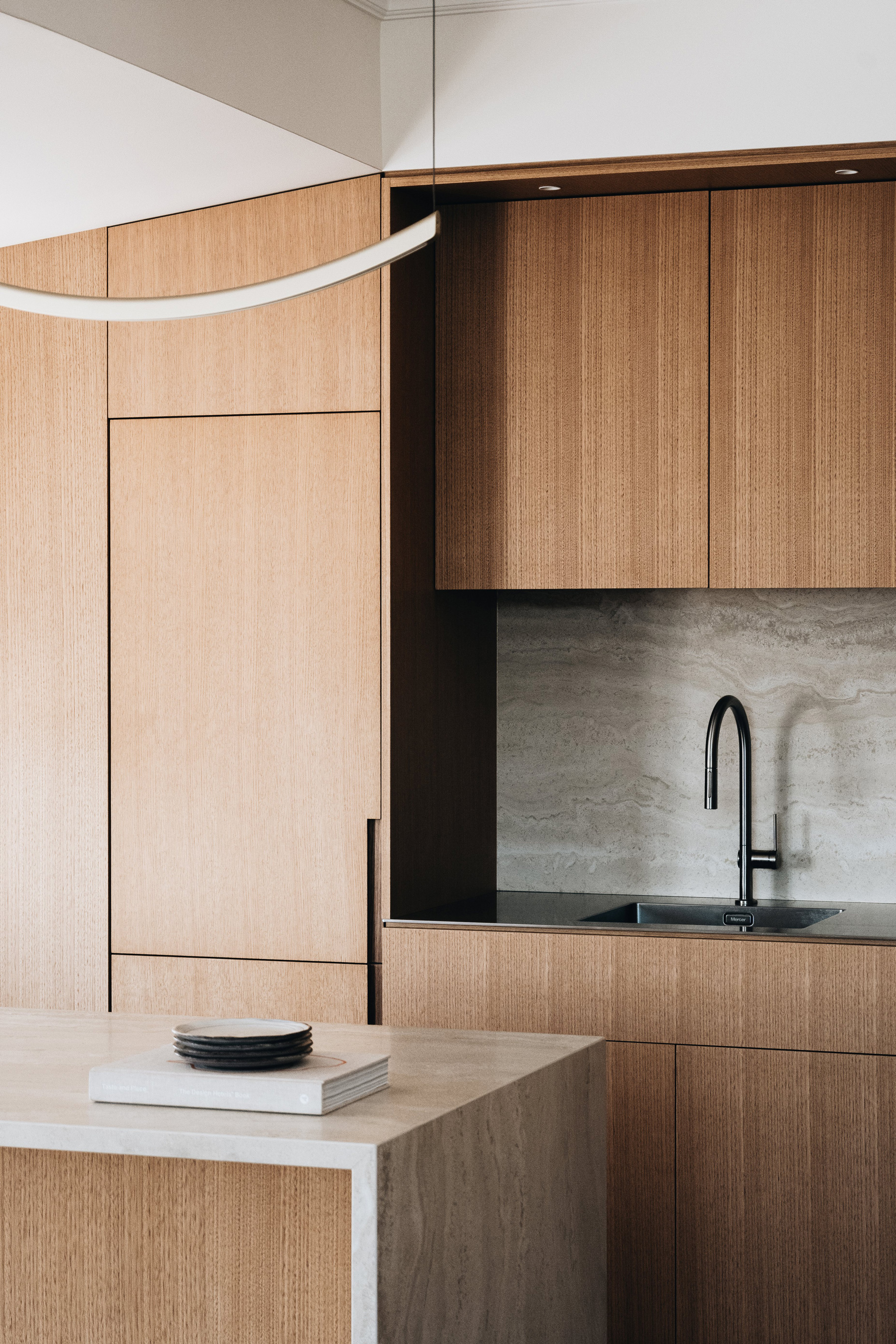
Sharlands House
Fineline Architecture. Photo by MATERIEM (Char Doyer Jack) x Studio Indy.
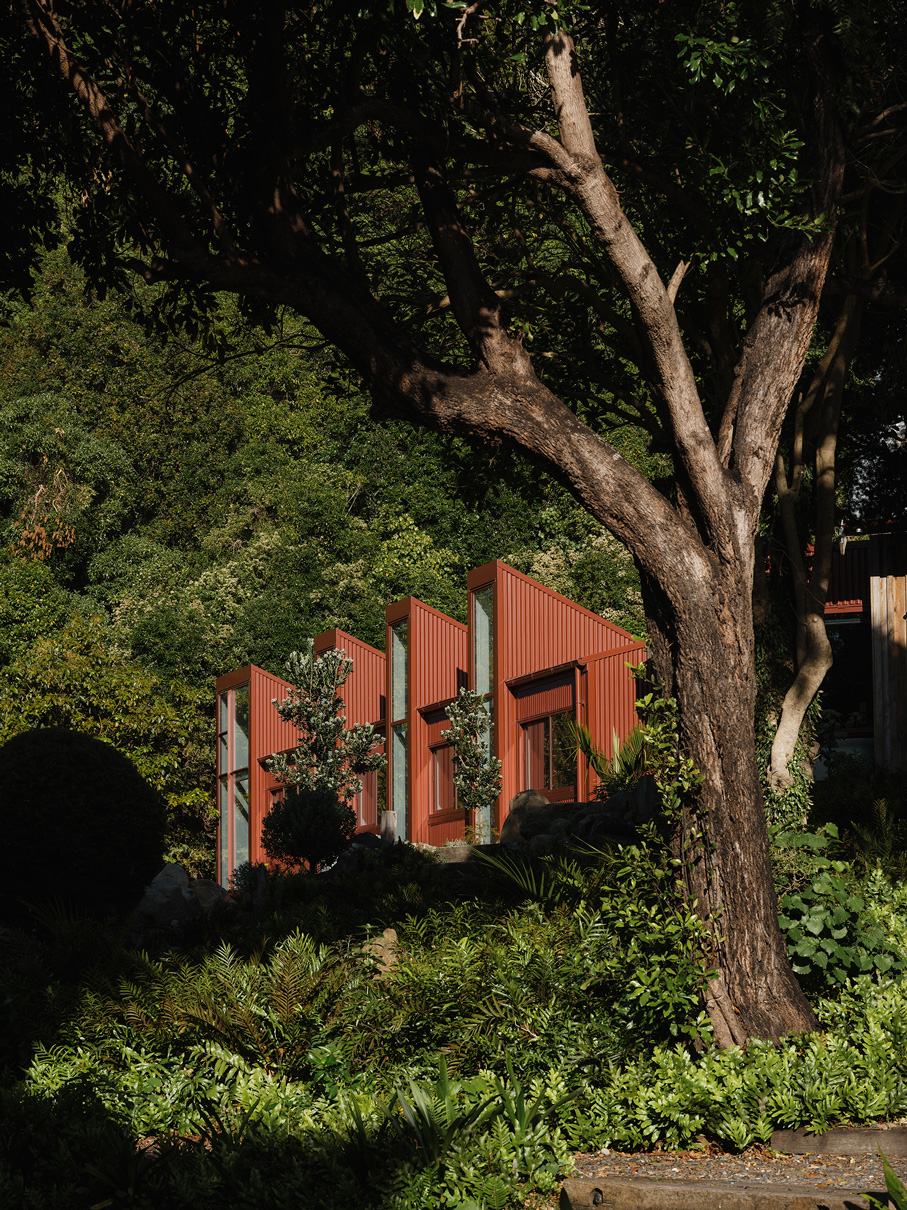
Black Millar House
Three Sixty Architecture. Photo by David Straight.
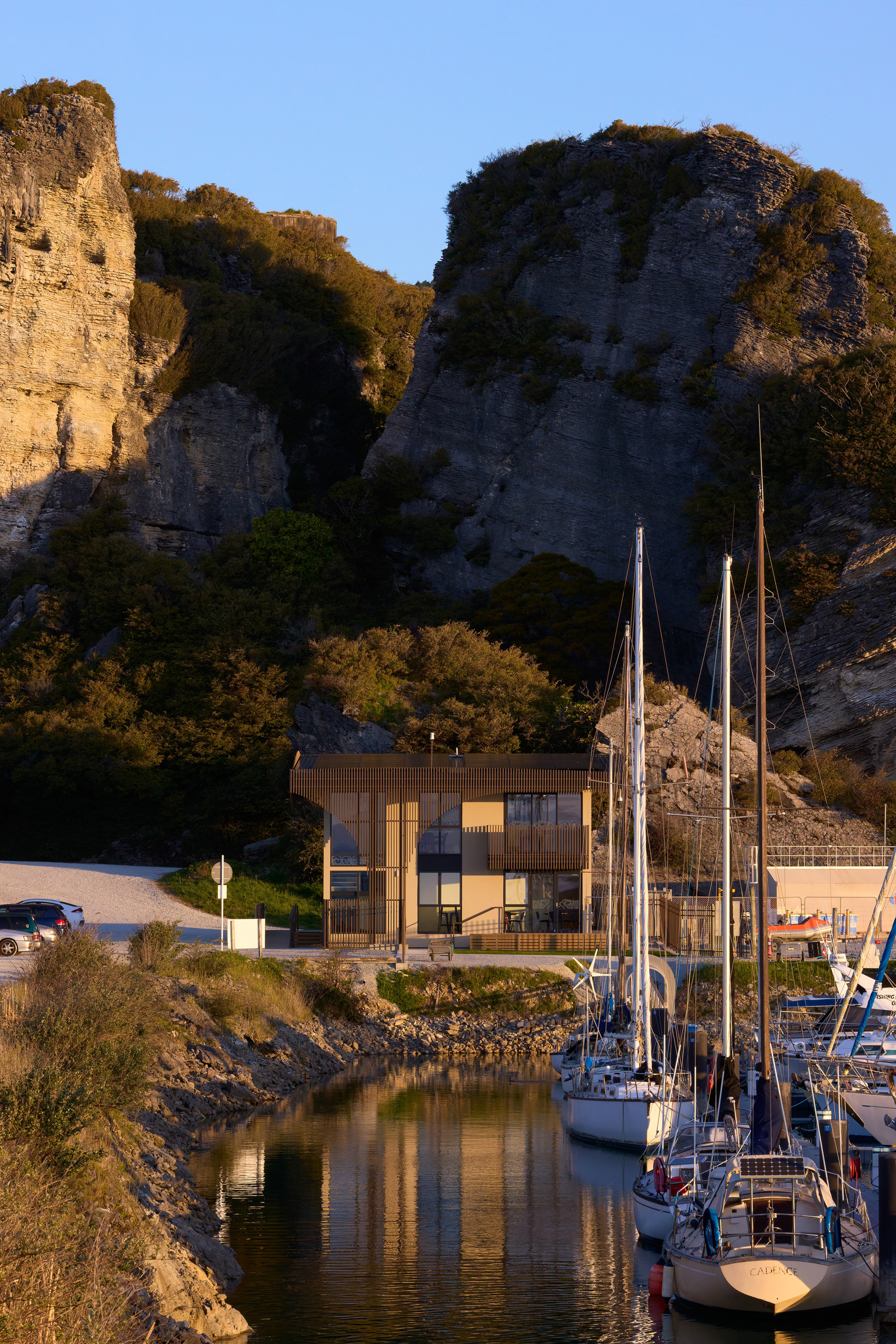
Port Tarakohe Management and Amenities Building
JTB Architects. Photo by Jason Mann.
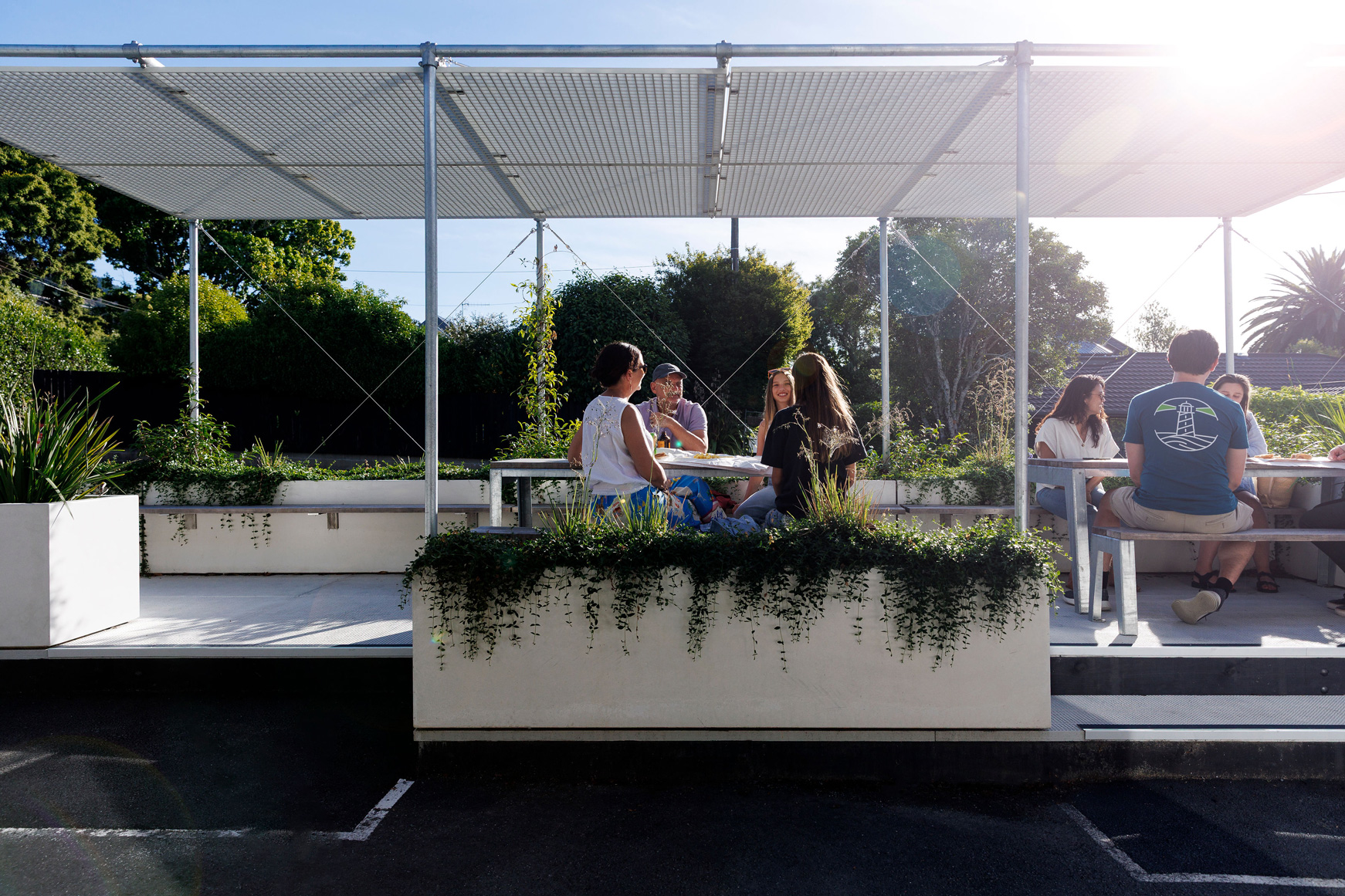
Queen Street Parklet
William Samuels. Photo by Virginia Woolf.

Brass Monkey Hut
Jacobs Architects. Photo by Graeme Jacobs.
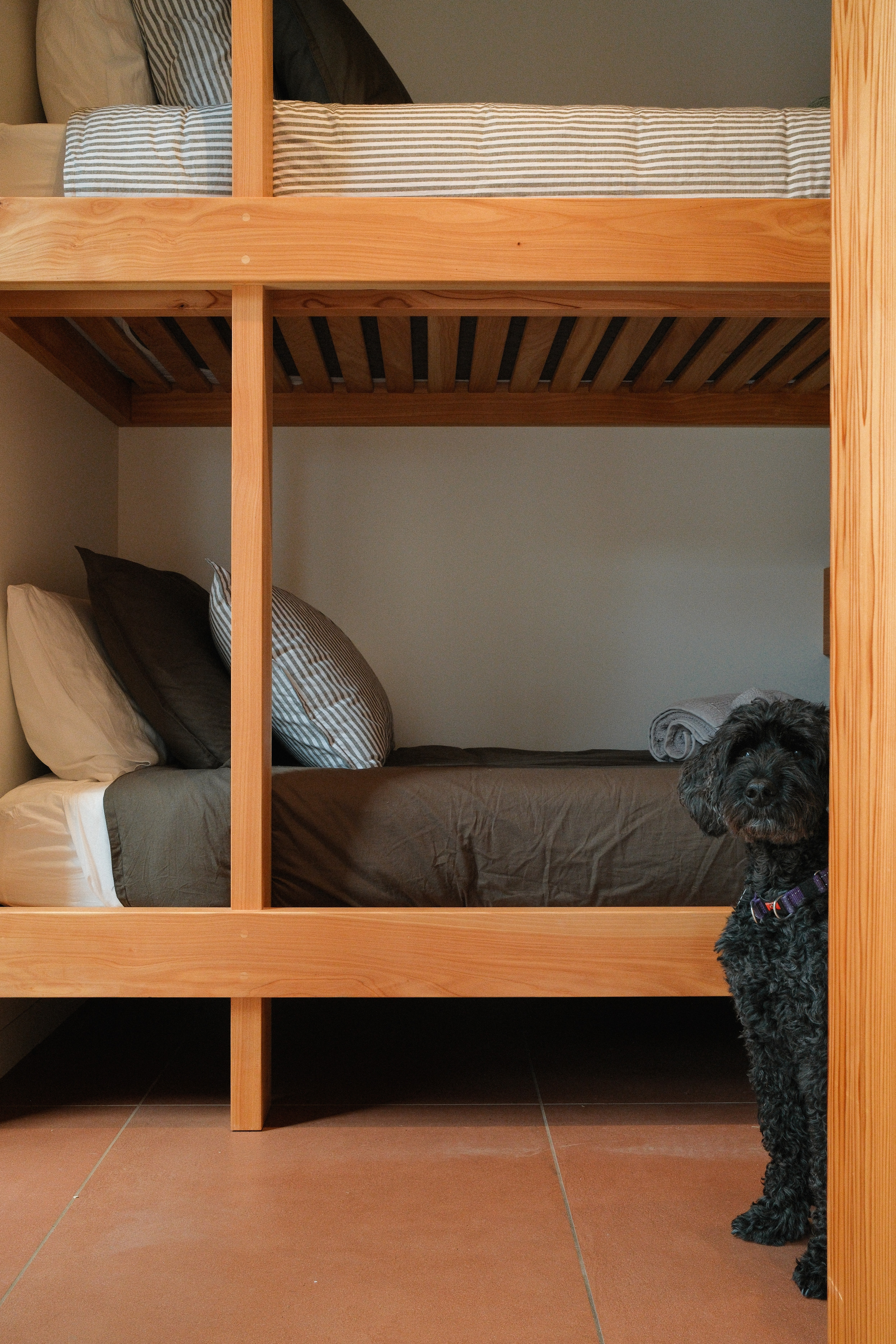
Bunk, Bath & Beyond
Shaw & Shaw Architects. Photo by Mikayla Exton.

24 February 2026
Meet the Convenors: 2026 Regional Architecture Awards


12 March 2026
2026 Nelson & Marlborough Architecture Awards Shortlist
Recent Articles

13 October 2026
Jon Clements + Rich Naish Lecture

9 September 2026
Richard Naish Awarded 2026 Gold Medal

9 September 2026
Spacecraft Architects awarded 2026 F. Gordon Wilson Fellowship

3 August 2026
2026 New Zealand Architecture Awards Shortlist

