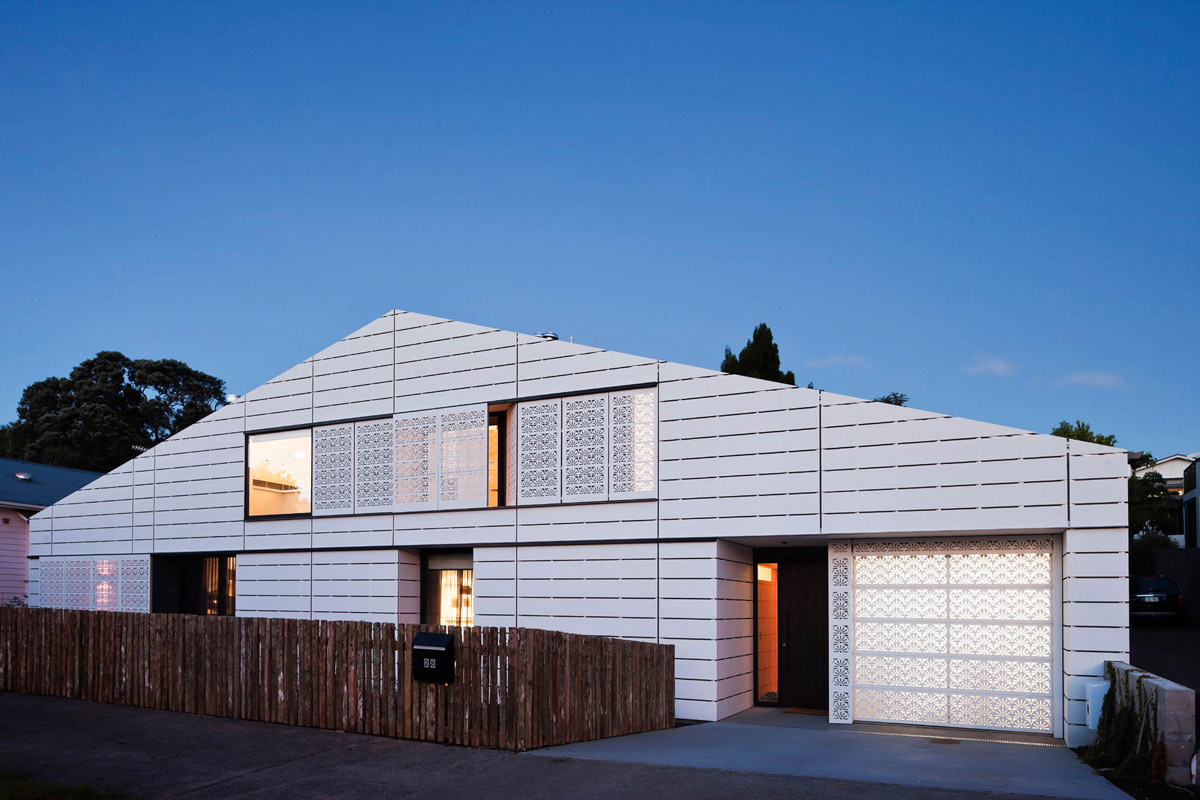
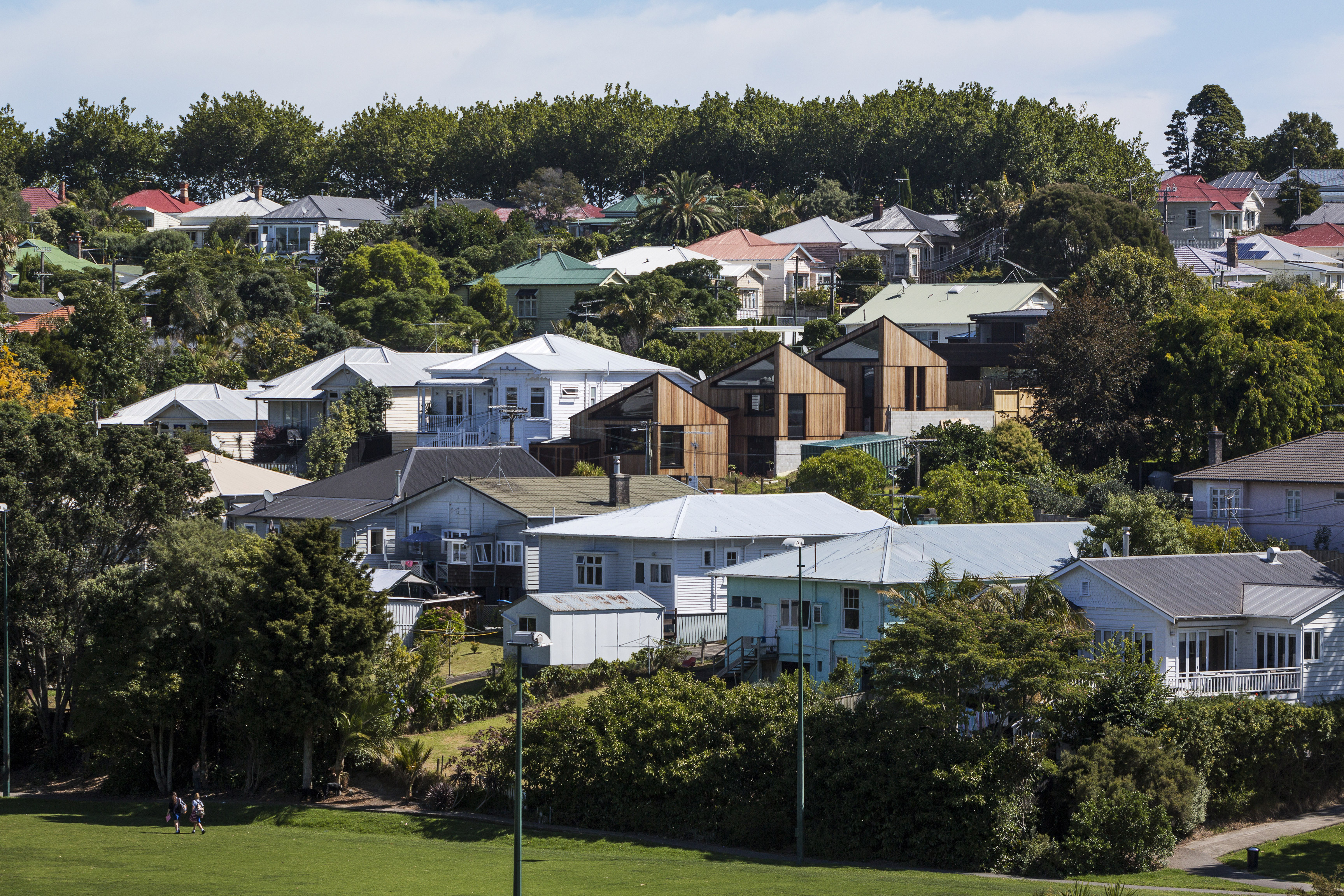
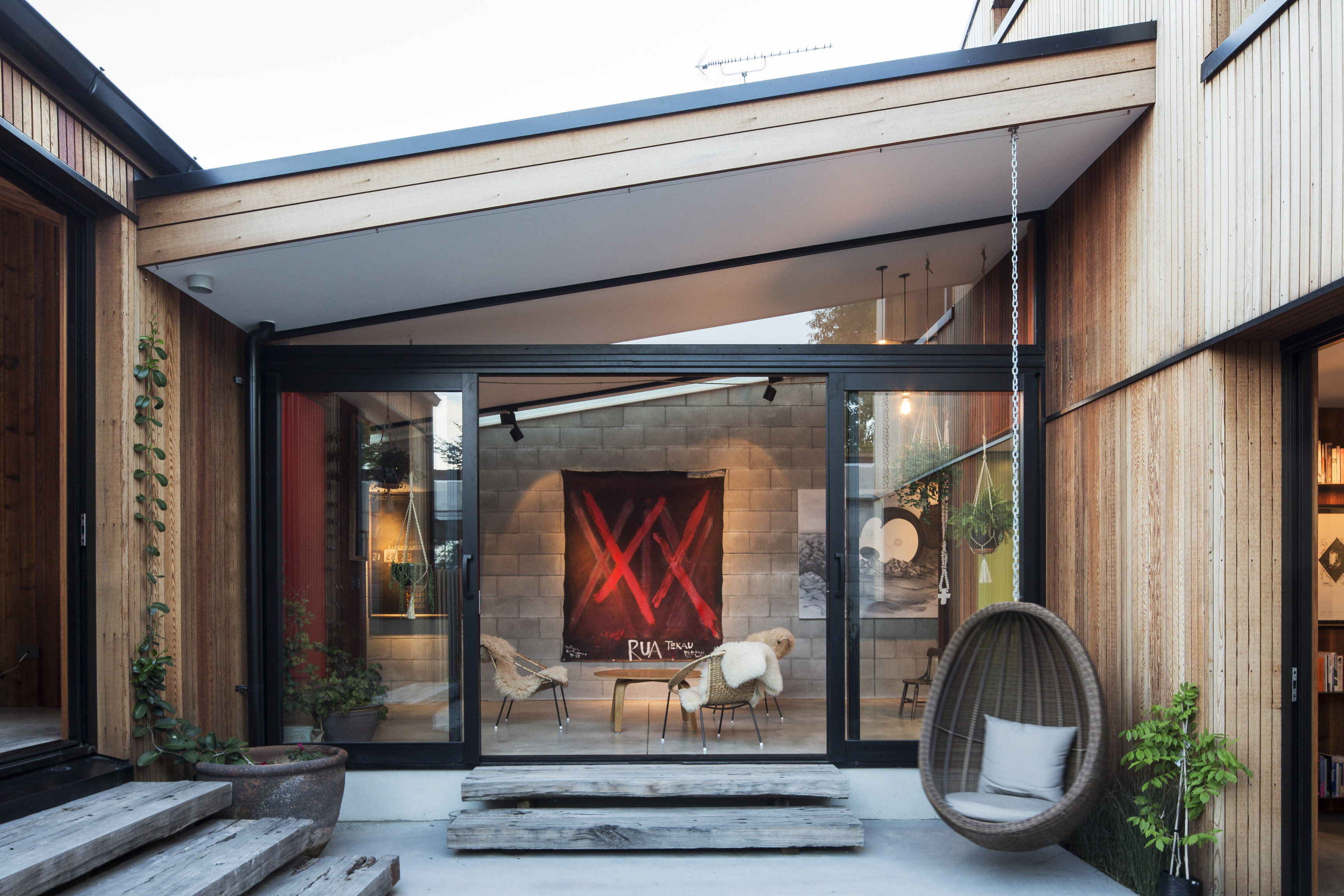
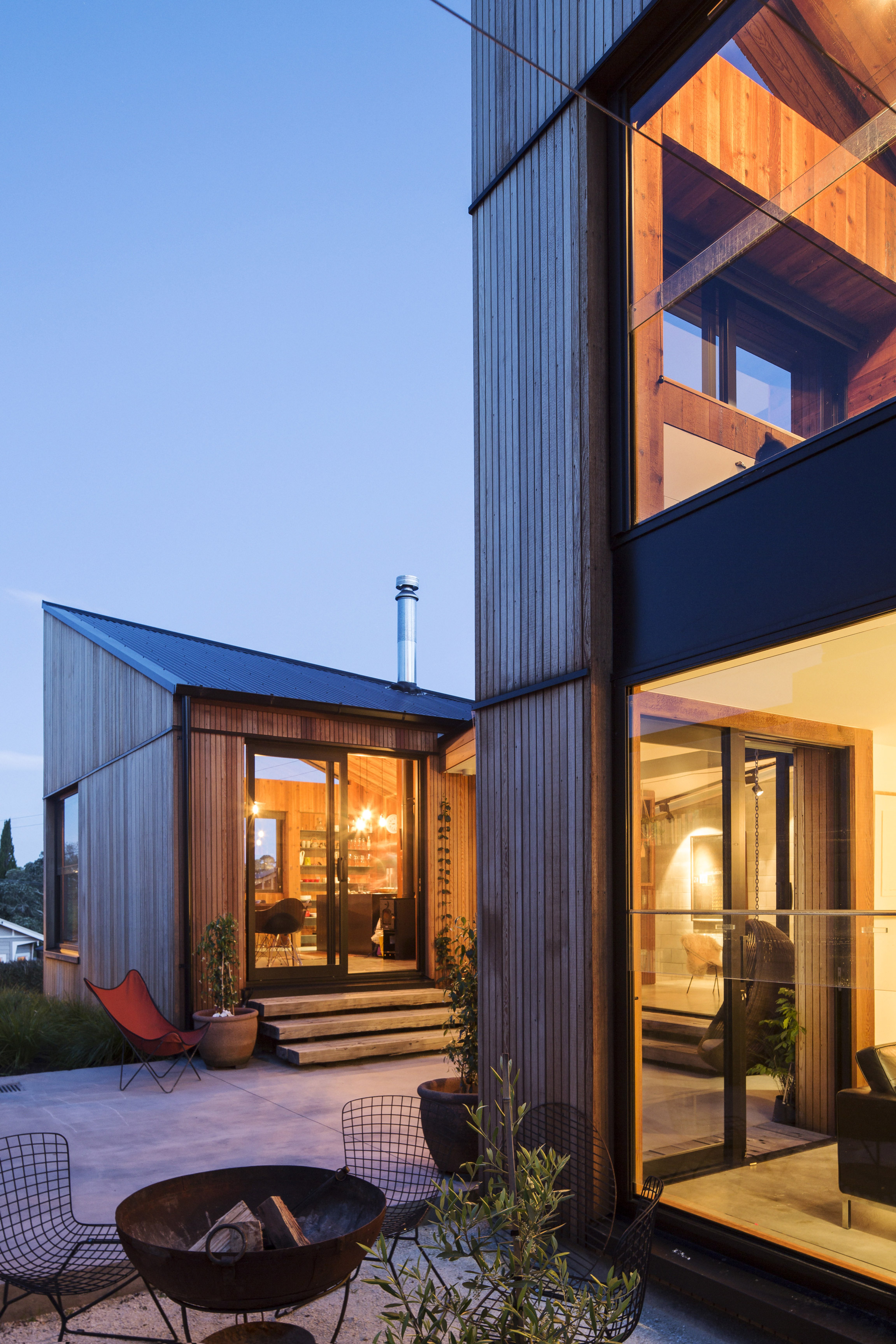
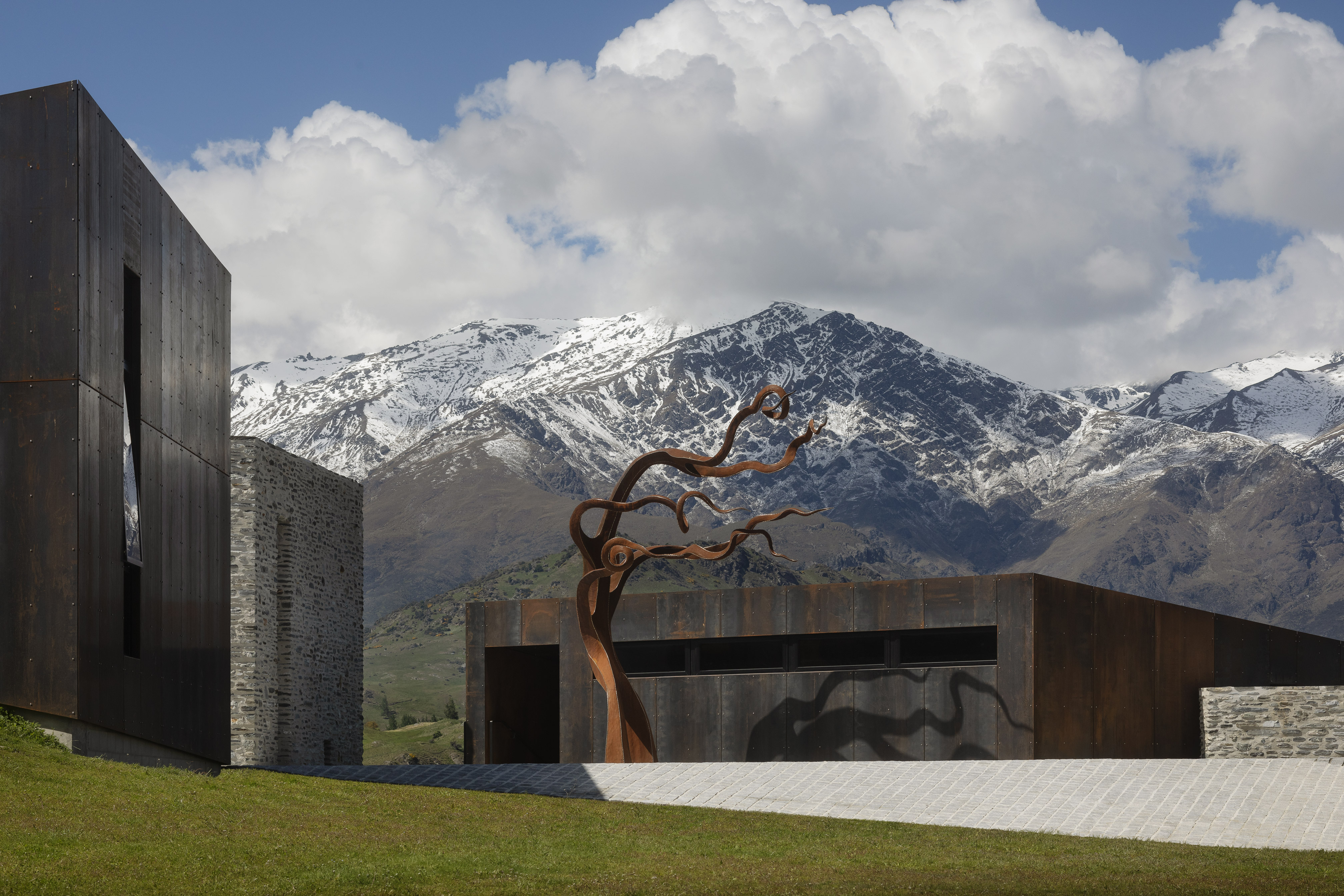
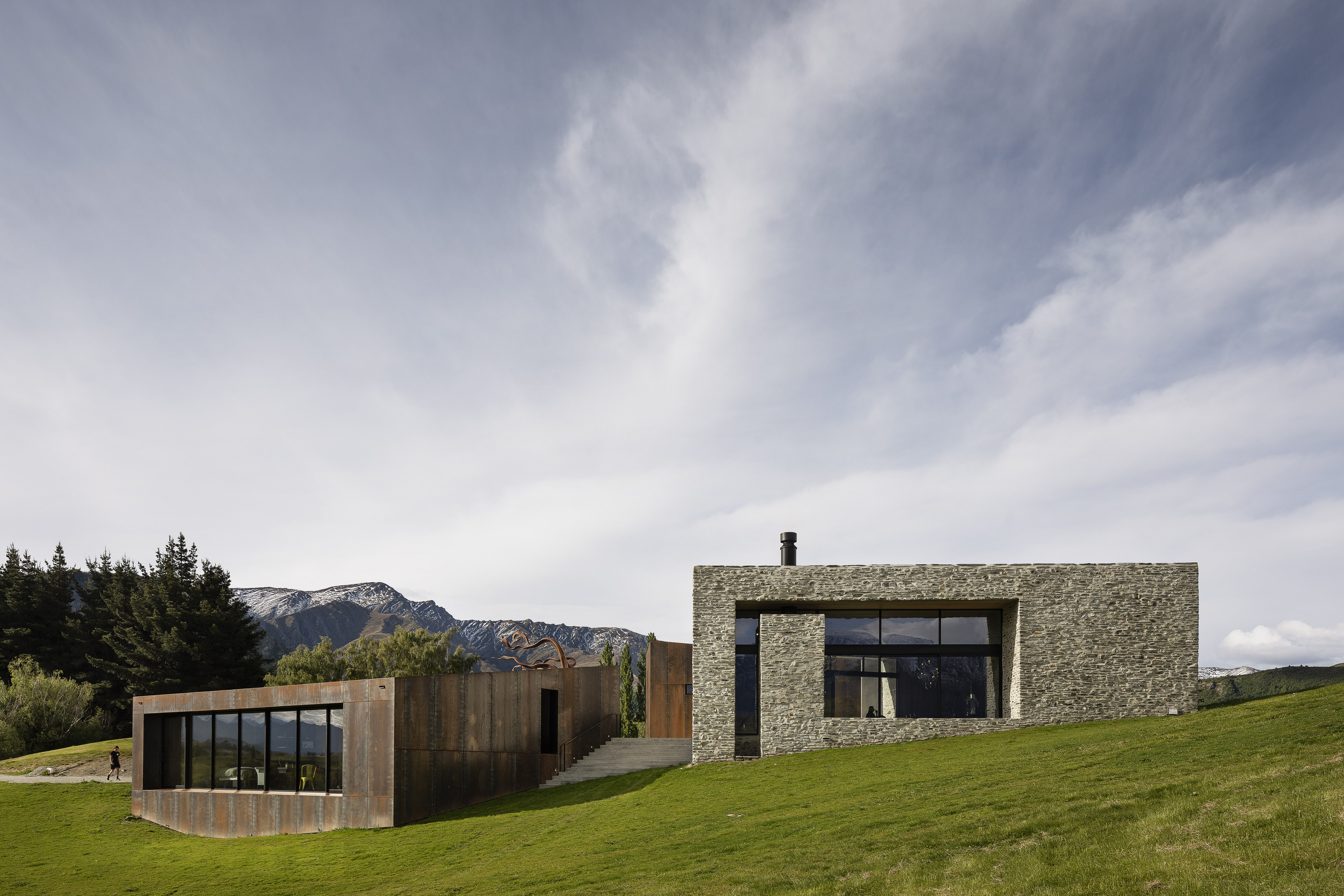
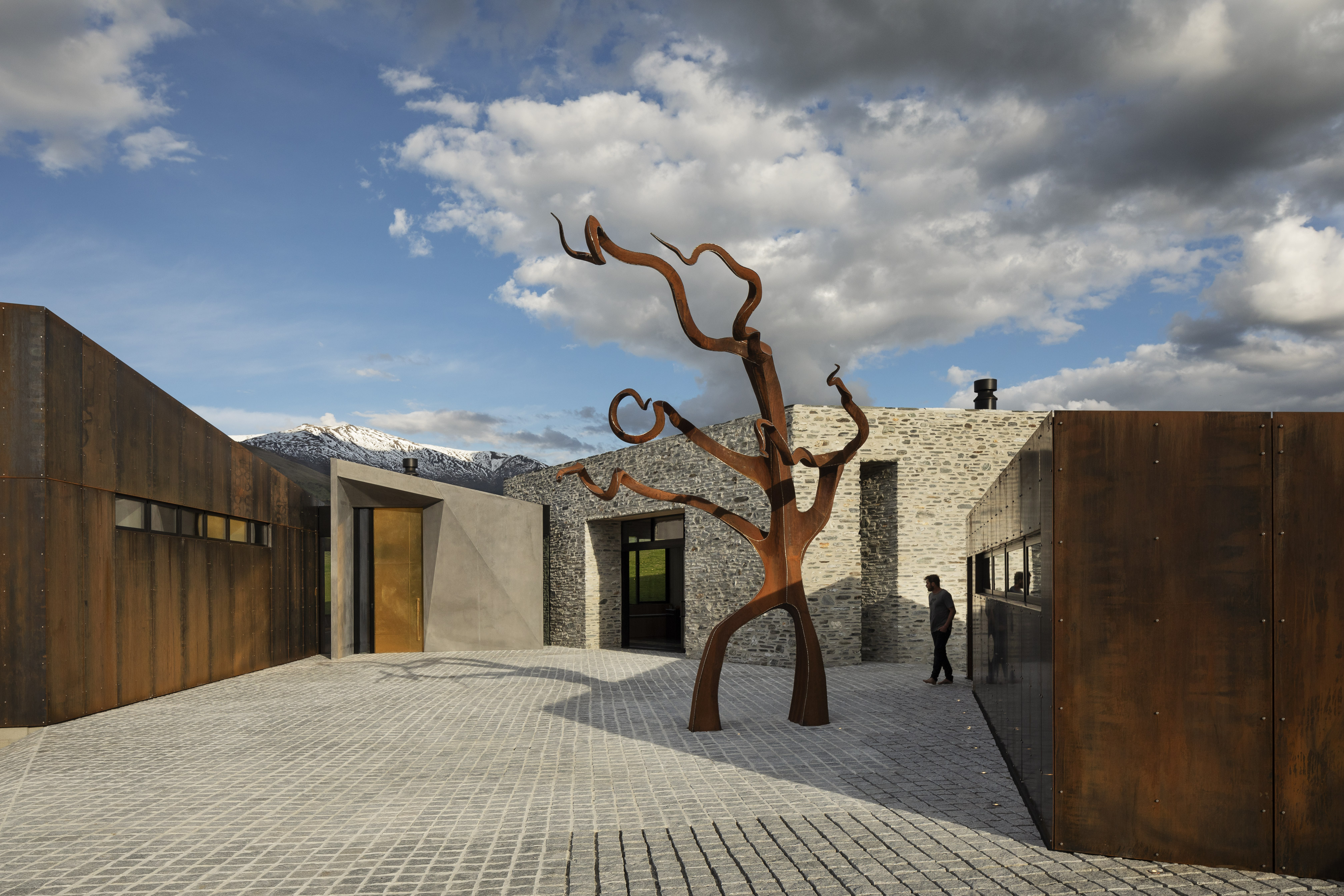
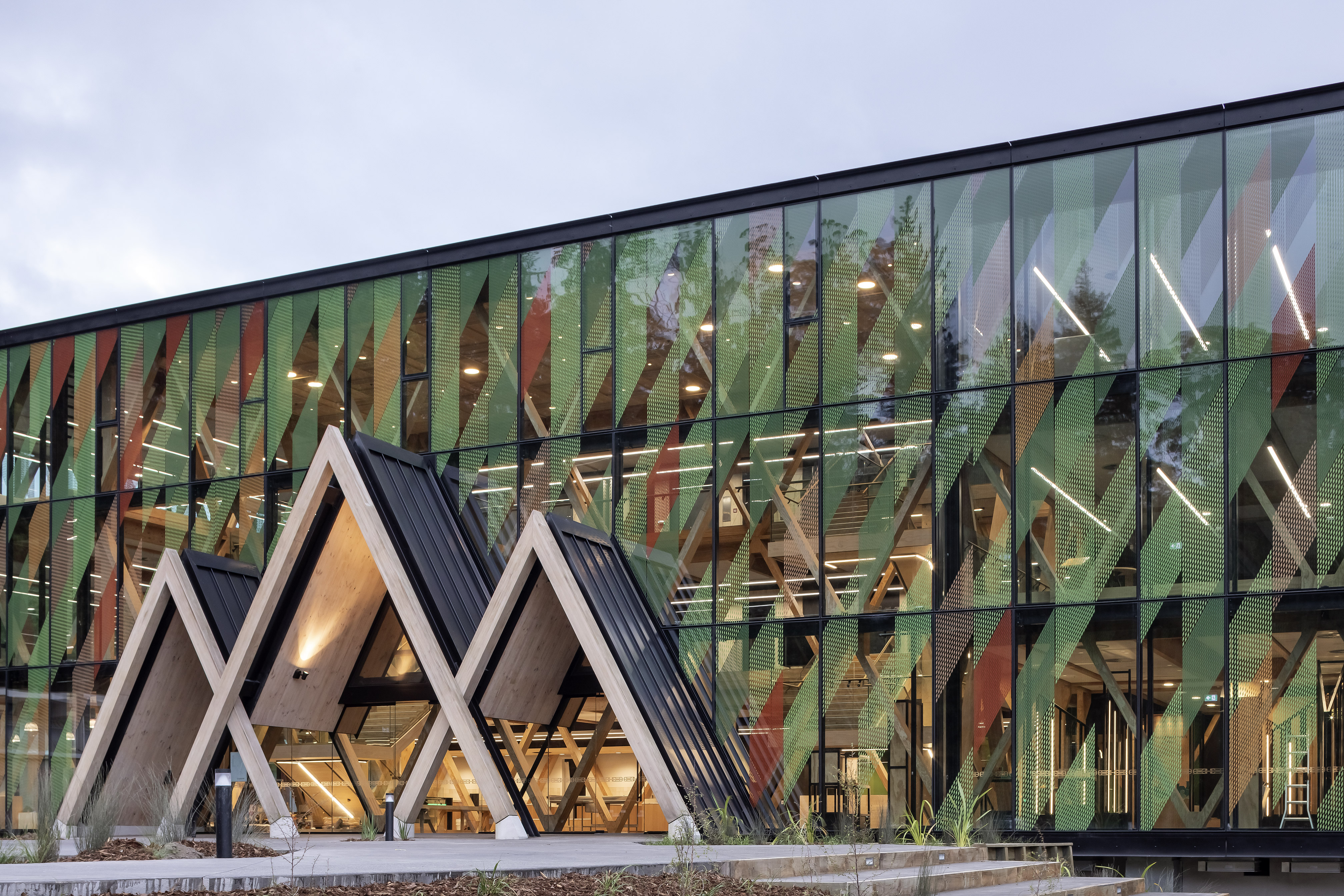
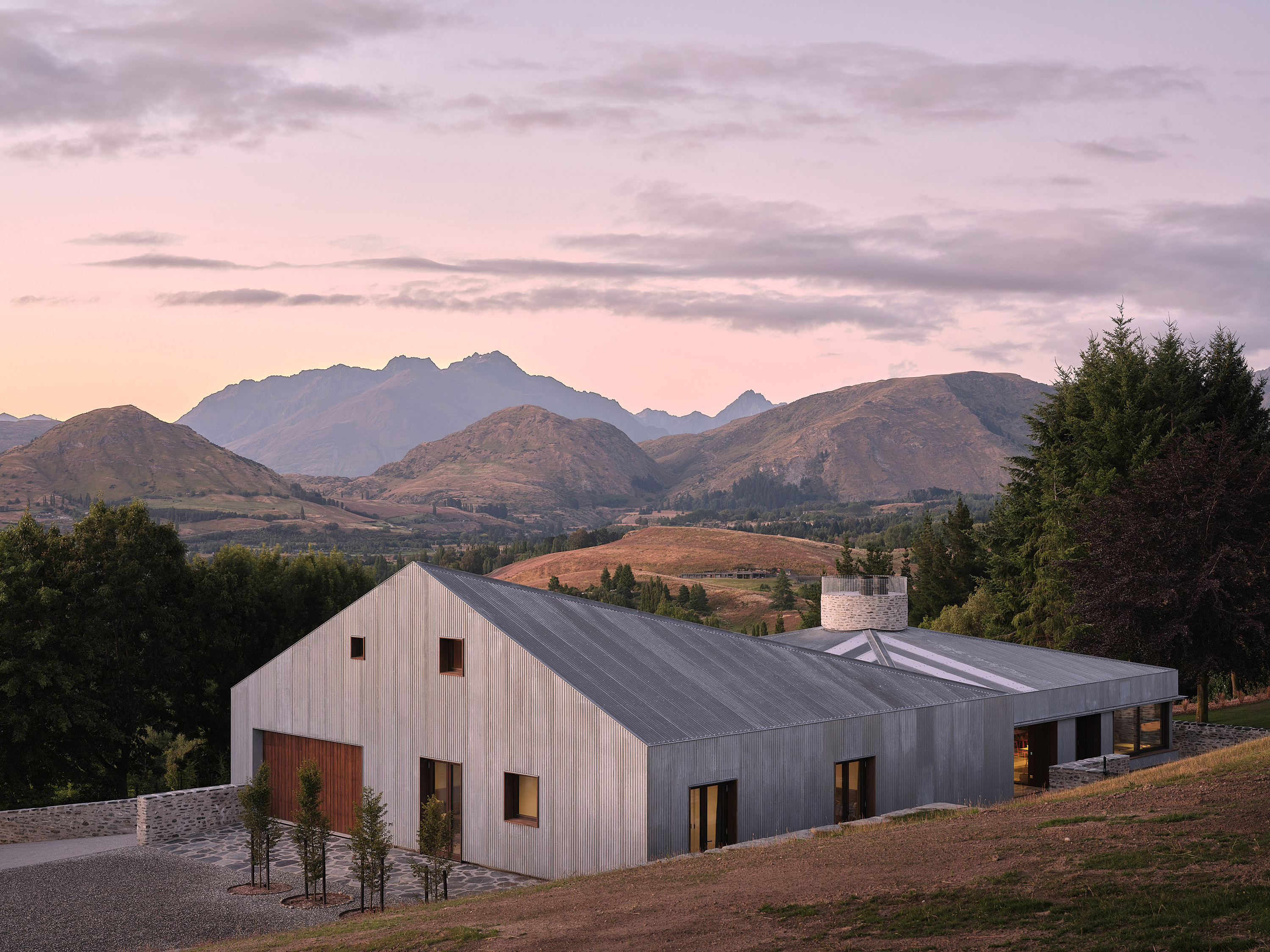
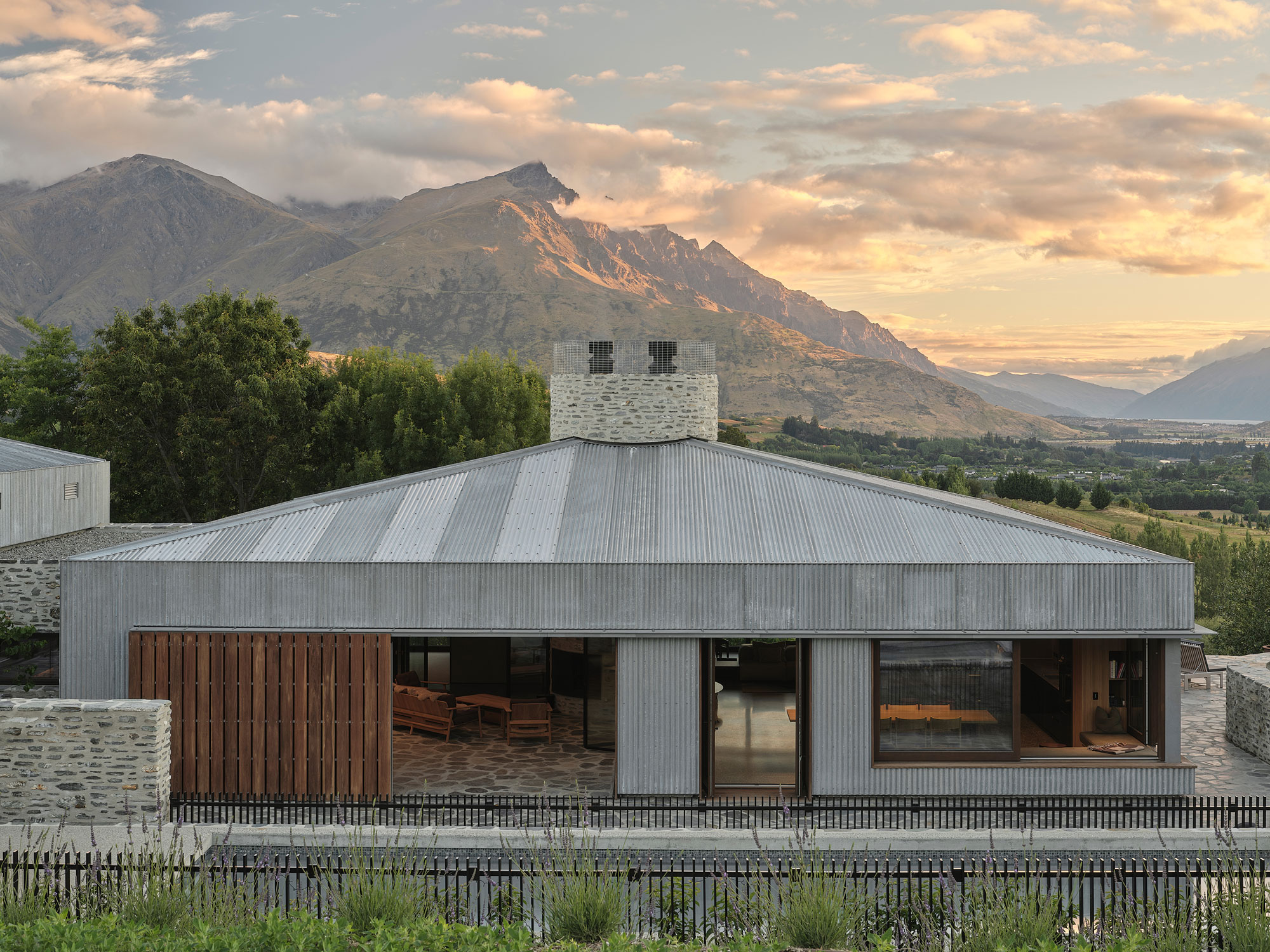
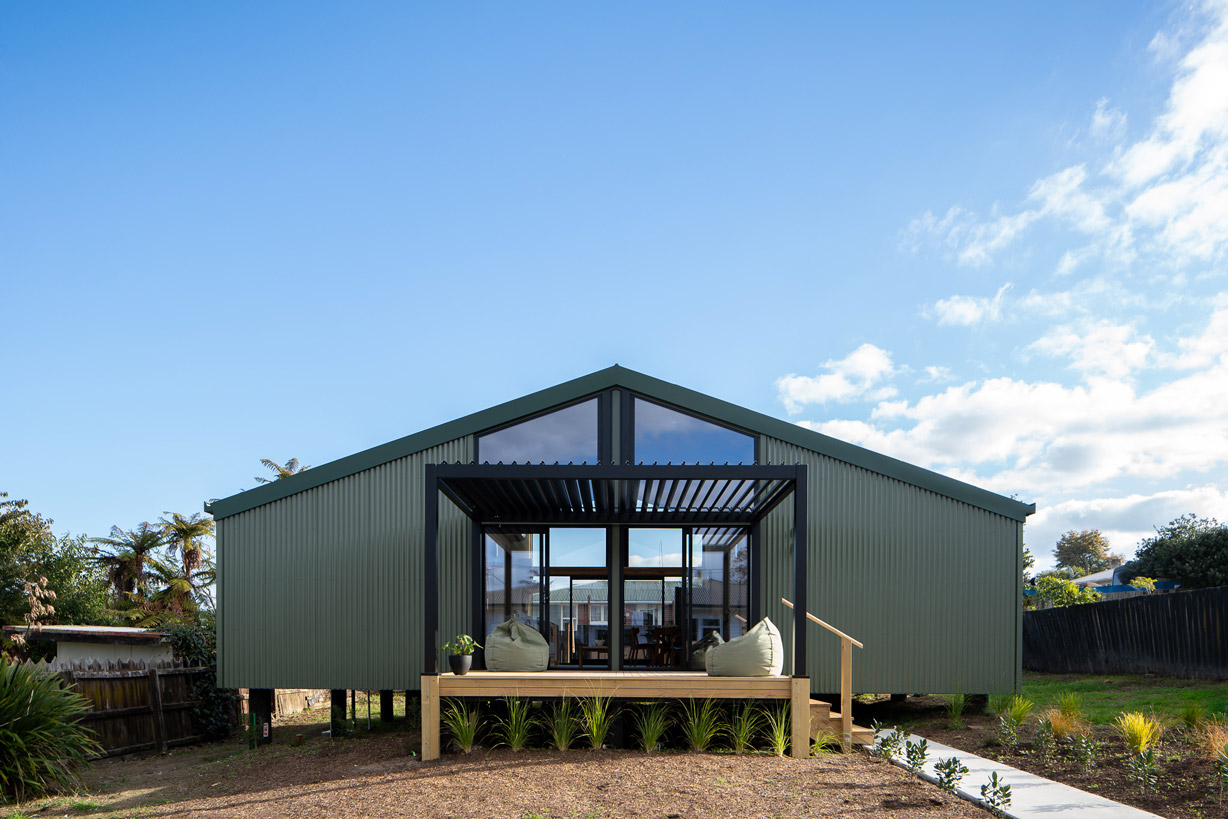
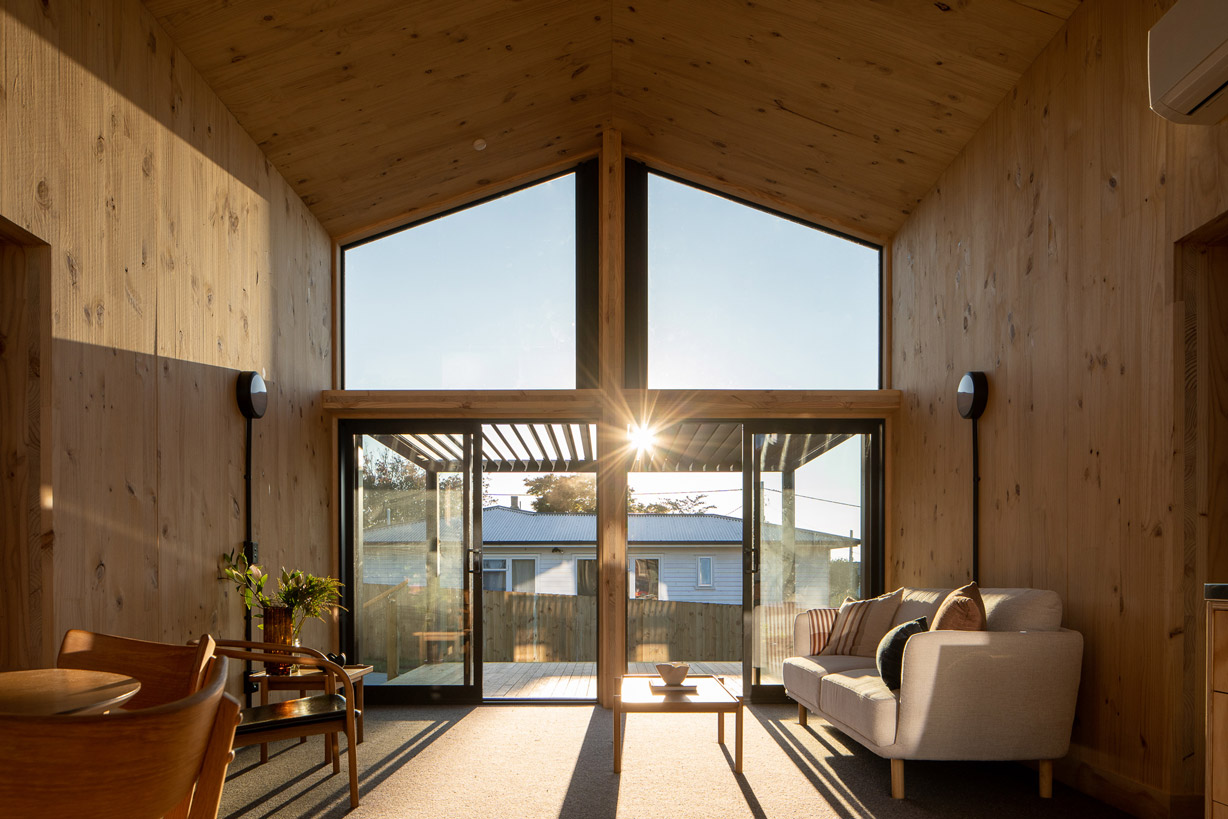
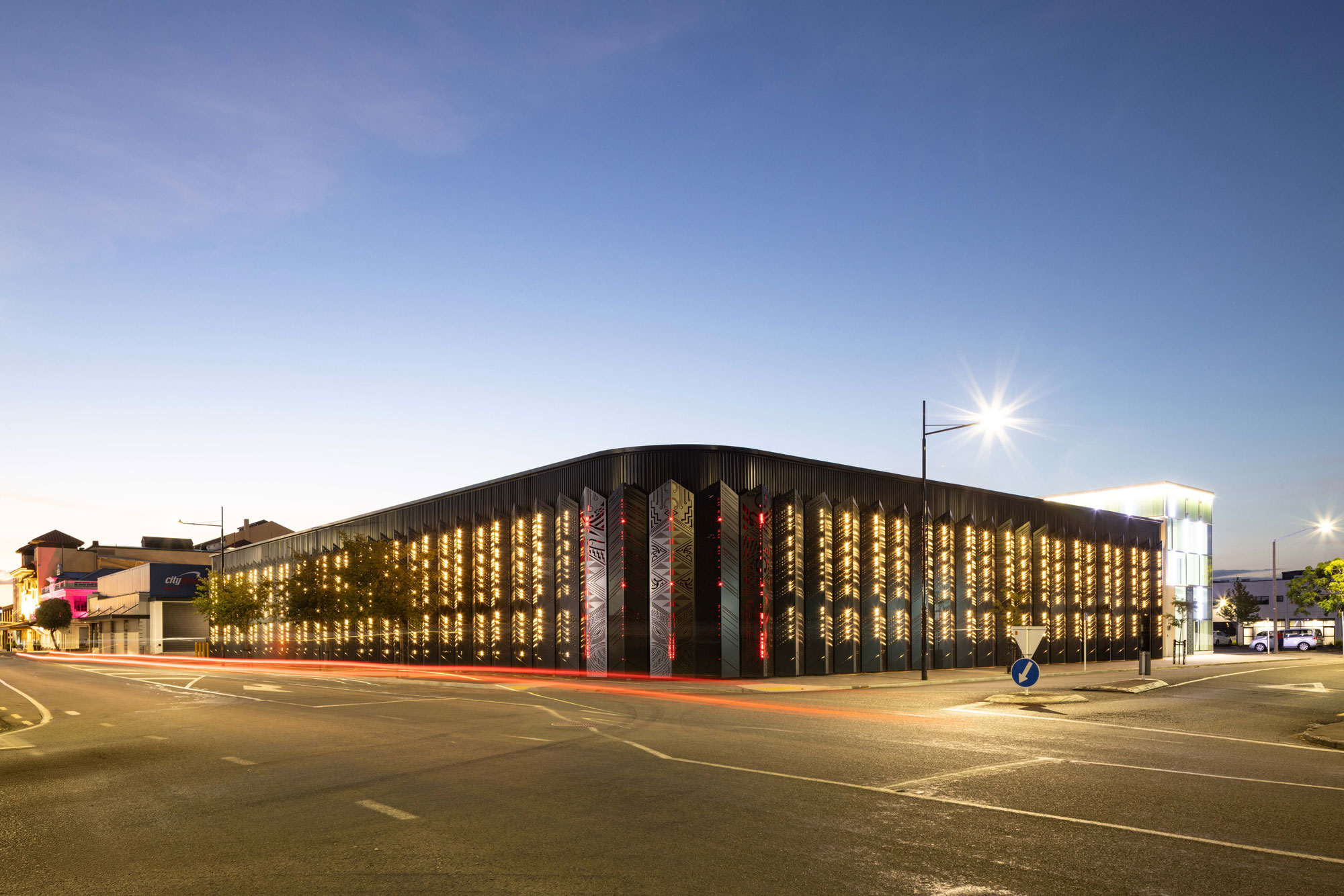
Our Gold Medal is presented this year to Richard Naish.
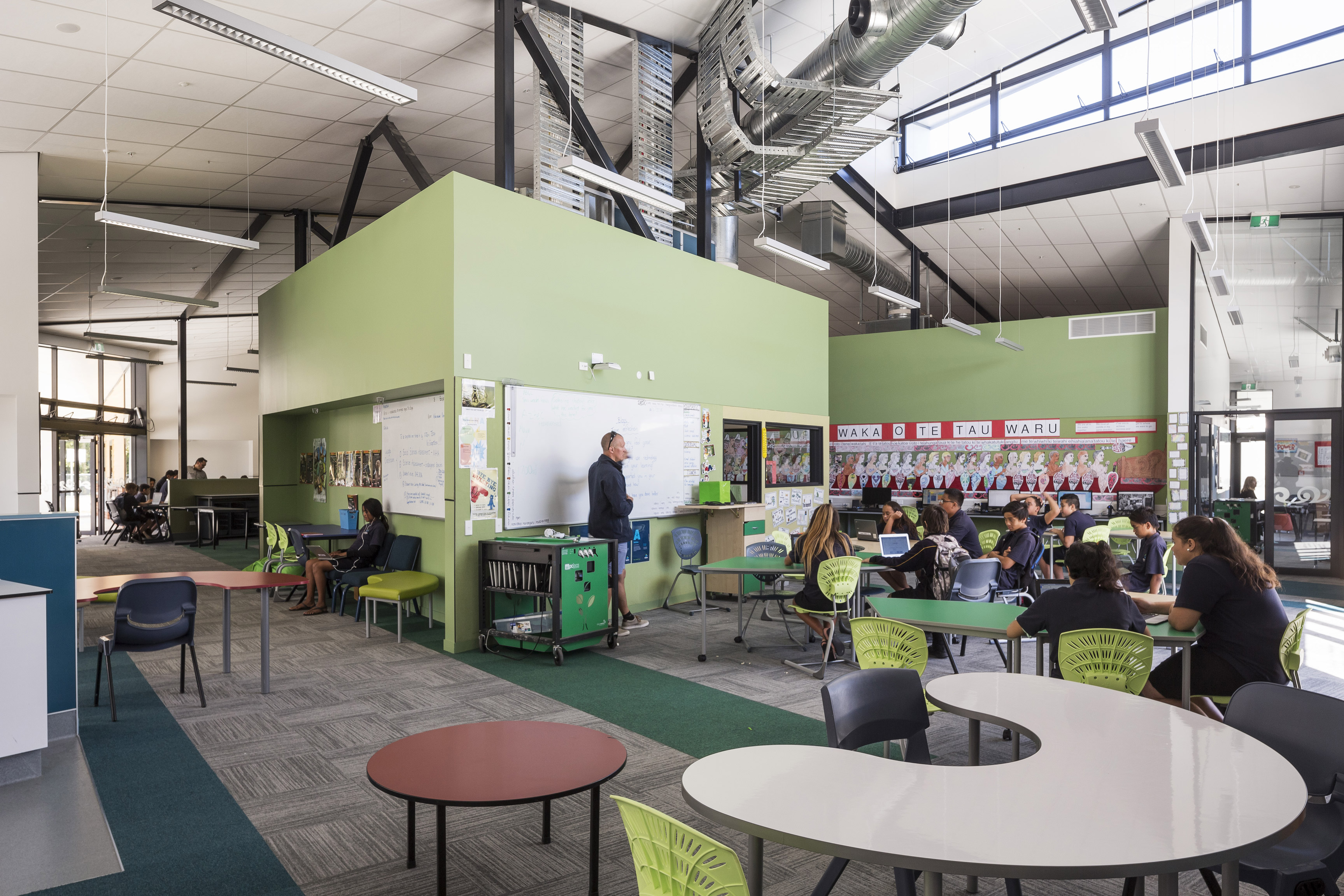
Rich Naish epitomises a key mode of practice: architect as problem solver. Naish’s body of work stands as an expansion of the range of possibilities for building on our shaky isles at this fraught moment in history. His practice, RTA Studio, began with small commercial projects in which the solutions were assumed to be inherent in the setting, waiting to be drawn out – contextualism – but as the firm’s projects have grown in scale, this inquiring approach has evolved into something more exploratory and ambitious. Naish’s mature work is characterised by a readiness to engage with some of the most pressing architectural challenges of our moment: developing direct solutions to housing affordability, accommodating our rapidly evolving approaches to education, and addressing our escalating climate crisis by advancing the possibilities of mass timber construction.
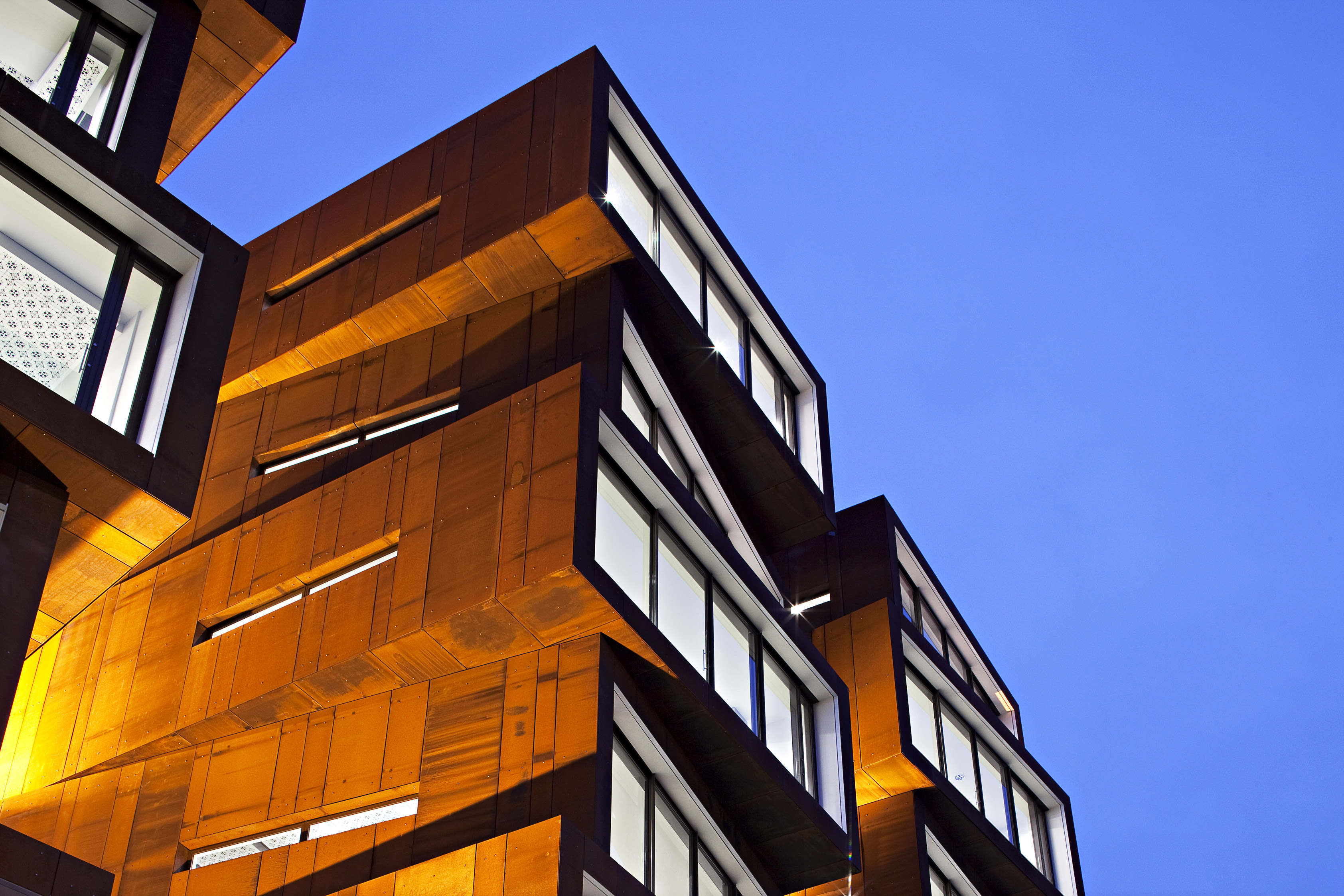
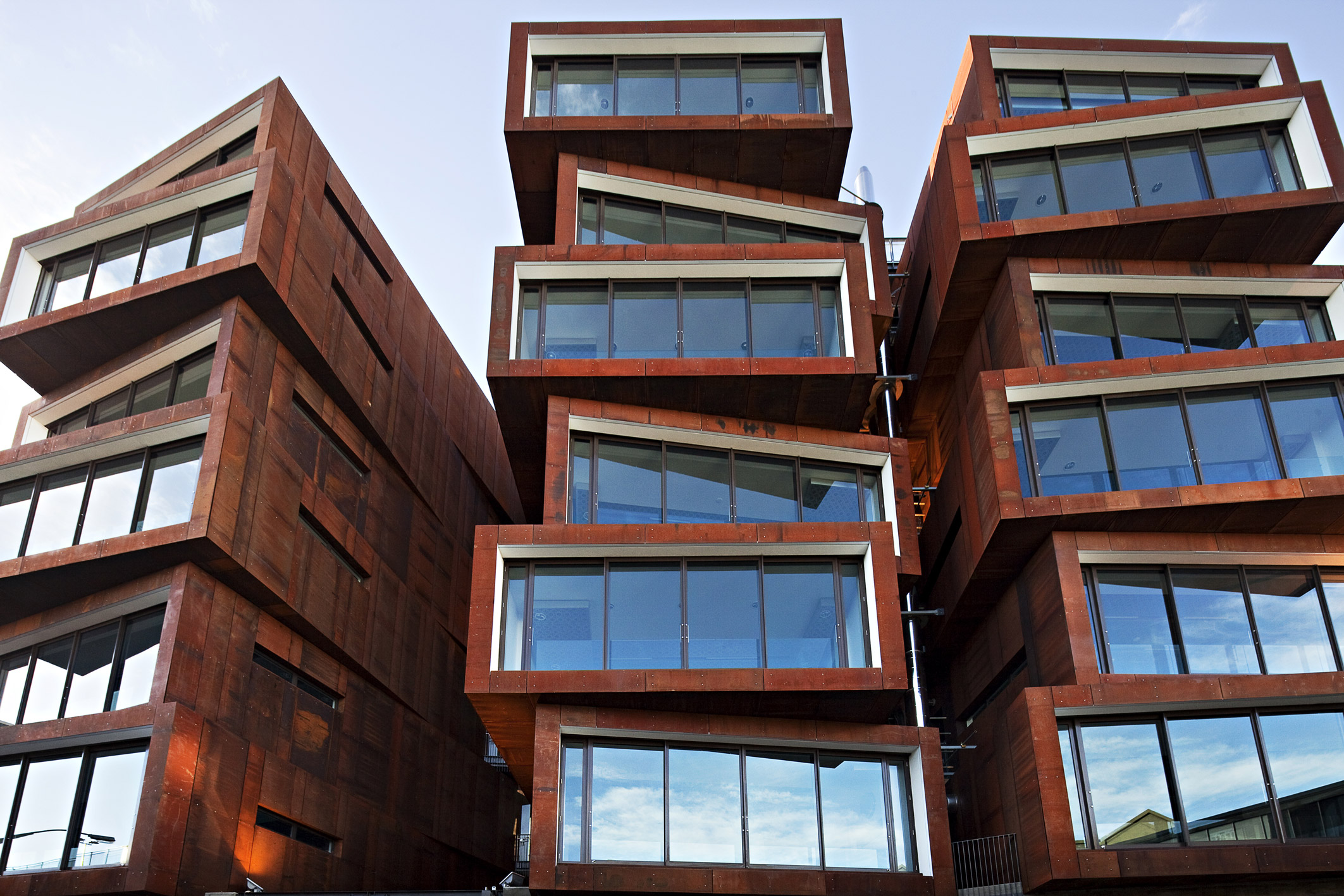
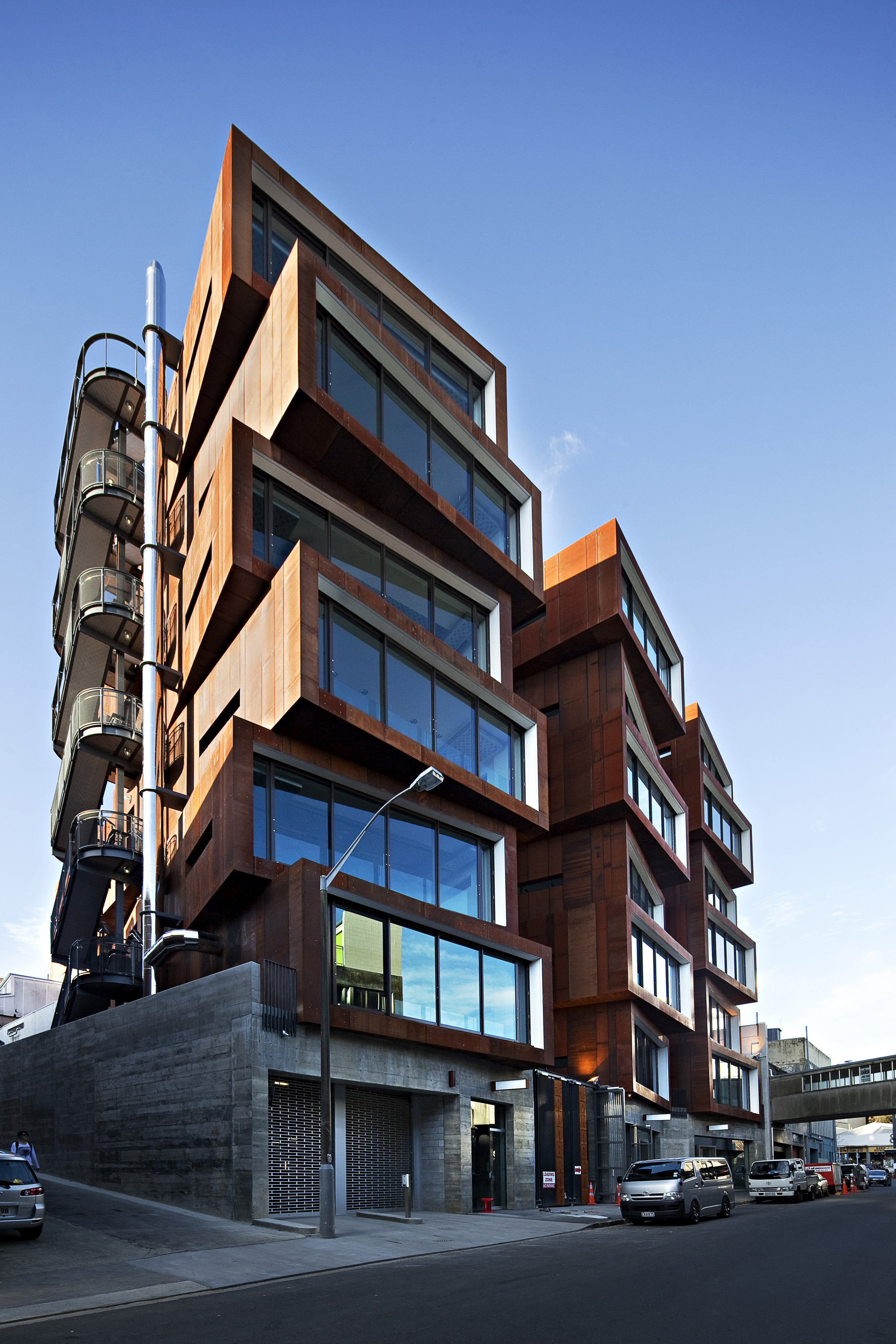
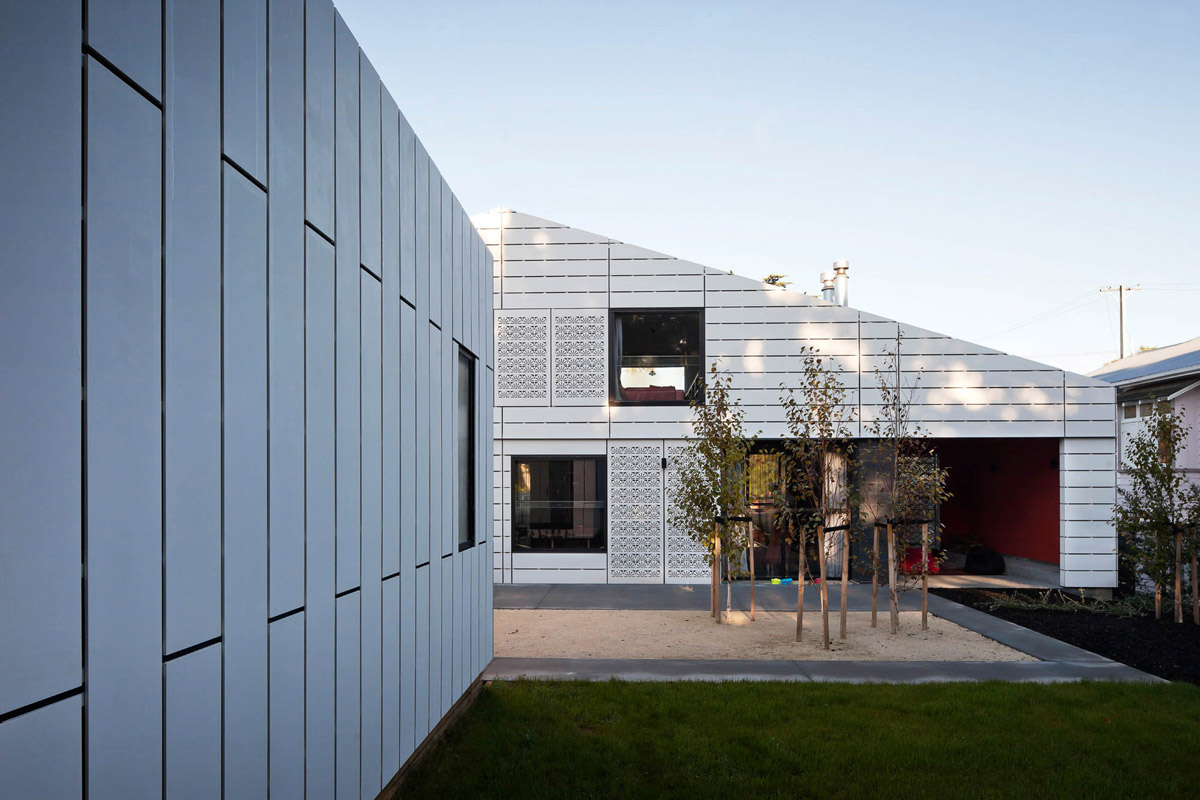
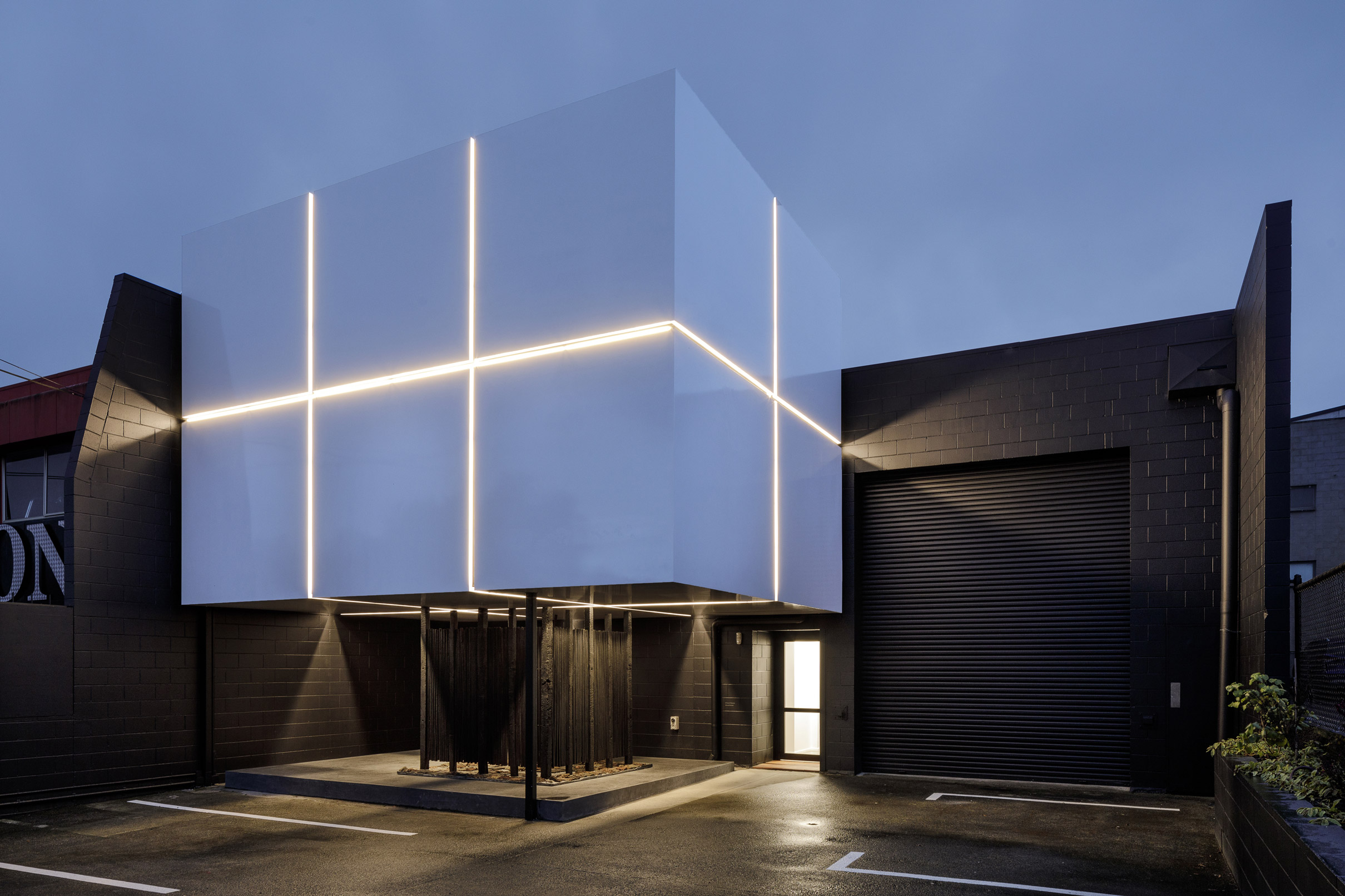
The defining characteristic of RTA Studio’s early output was an ability to conjure bold architecture from routine commissions – many of them small interventions on Auckland’s city fringe. Faced with tightly constrained sites, limited budgets, or the need to reuse existing buildings, RTA Studio created buildings of remarkable strength and clarity. The practice grew, in many cases, alongside its clients, and when they brought bigger projects, Naish’s team was able to seize these opportunities, most notably with Ironbank (2010), one of the most celebrated buildings of its era.
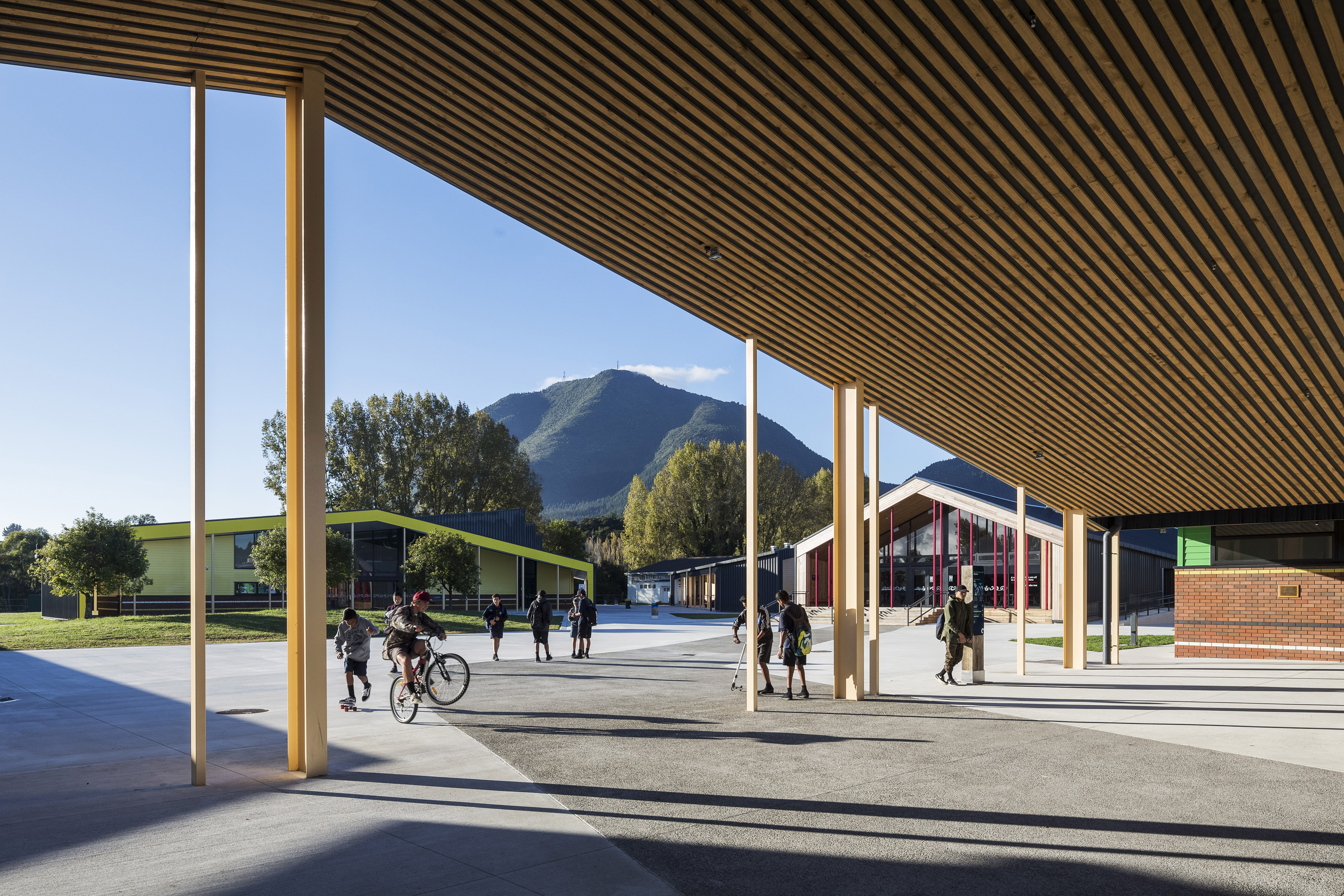
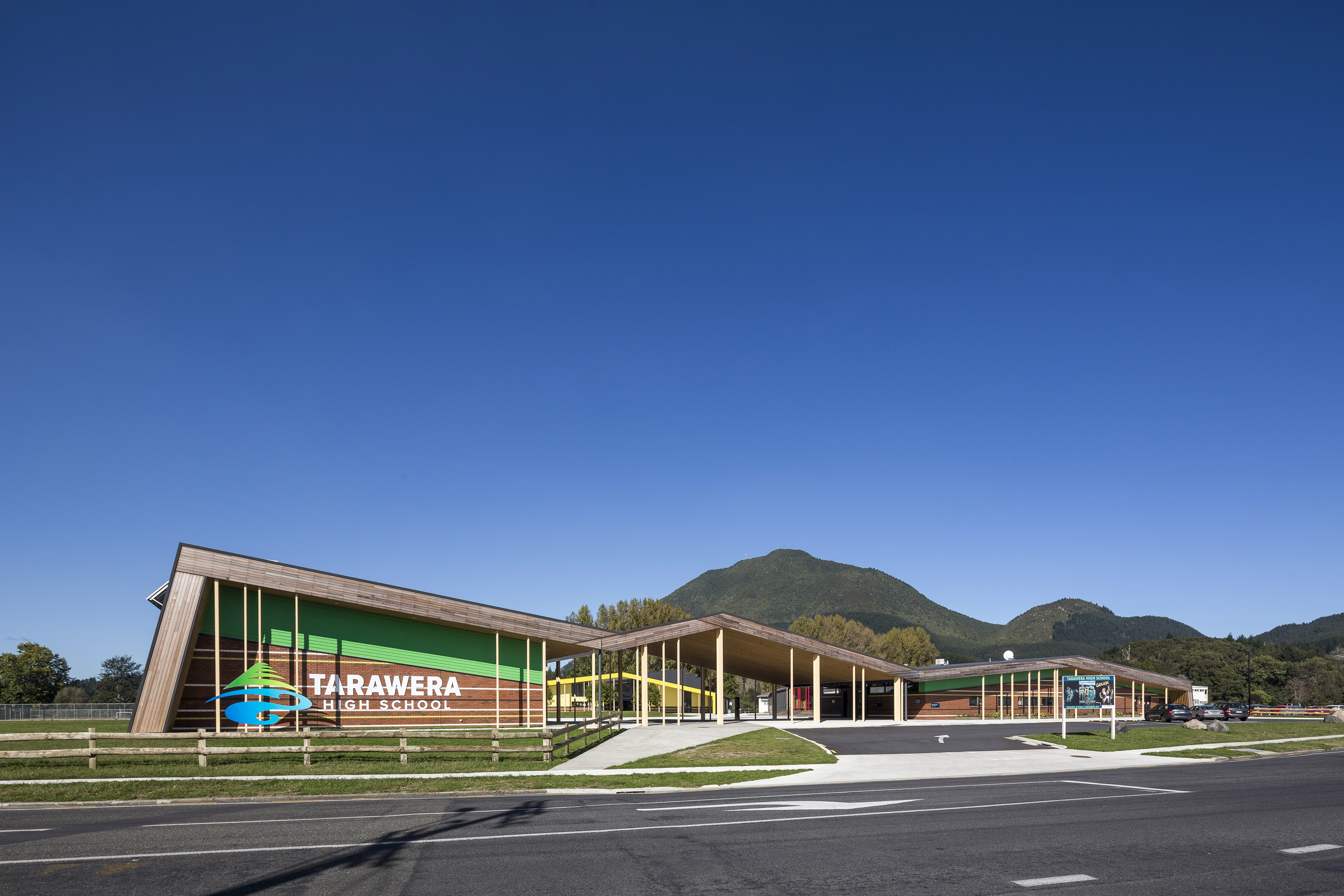
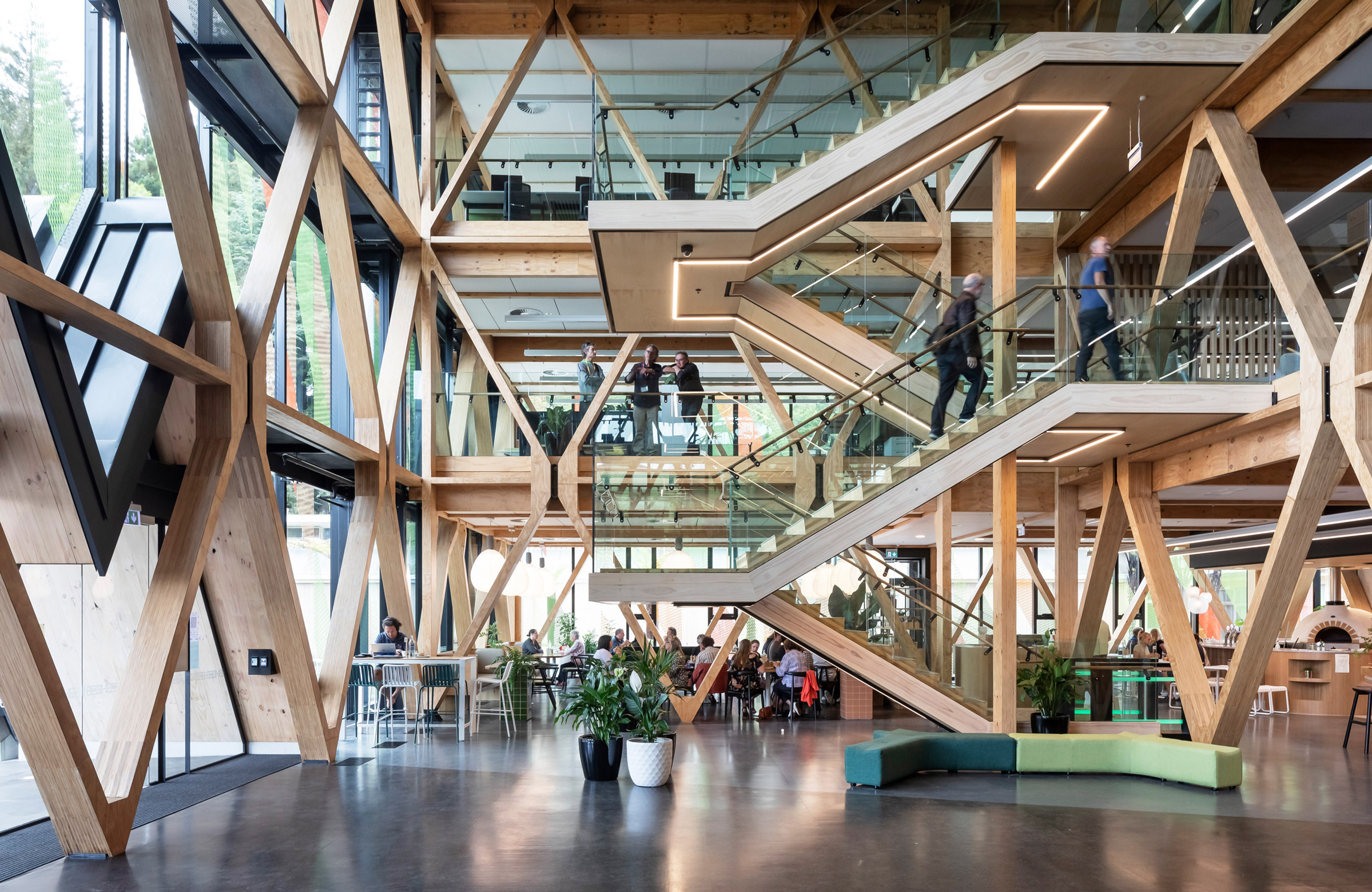
In more recent years, RTA Studio has moved beyond both the neighbourhoods and early patterns of its work. The firm has dramatically expanded, not just in the expected sense of making bigger buildings, but also in the range of building types it undertakes and its geographic range. Where previously almost all the firm’s key projects could be spotted from the top of Maungawhau Mount Eden, they now span the country. The firm’s recent project roster includes whole school campuses, huge apartment buildings, industrial facilities and commercial complexes, as well as projects likely to stand as defining works in our architectural history: the Scion Innovation Hub – Te Whare Nui o Tuteata (2020, with Irving Smith Architects) and the Fisher & Paykel Global Headquarters (2026).